
Korean Vocabulary — 어휘
Read the lesson, then practise at your own pace. All explanations and examples are on this page.
Greetings 인사말
Greetings in Korean 한국어 인사말
Korean greetings change depending on who you are talking to and the situation. The most important distinction is formal vs. casual speech. Use formal forms with strangers, elders, and in professional settings. Casual forms are for friends and people younger than you.
Words and phrases
| Korean | Pronunciation | Meaning |
|---|---|---|
| 안녕하세요 | Annyeonghaseyo | Hello — formal, the most common greeting |
| 안녕 | Annyeong | Hi / Bye (casual) — used with friends |
| 감사합니다 | Gamsahamnida | Thank you — formal, very polite |
| 고마워요 | Gomawoyo | Thank you — polite but less formal |
| 죄송합니다 | Joesonghamnida | I'm sorry — formal apology |
| 괜찮아요 | Gwaenchanayo | It's okay / Are you okay? — very versatile phrase |
| 반갑습니다 | Bangapseumnida | Nice to meet you — formal first meeting |
| 안녕히가세요 | Annyeonghi gaseyo | Goodbye — said to the person who is leaving |
| 안녕히계세요 | Annyeonghi gyeseyo | Goodbye — said by the person who is leaving |
| 화이팅 | Hwaiting | Fighting! / You can do it! — a cheer of encouragement |
| 처음뵙겠습니다 | Cheoeum boepgesseumnida | How do you do — very formal first introduction |
| 잘부탁드립니다 | Jal butakdeurimnida | Please take care of me — said when starting a new relationship |
Check your understanding
Numbers 숫자
Two Number Systems 두 가지 숫자 체계
Korean uses two separate number systems: Native Korean numbers (고유어) and Sino-Korean numbers (한자어). You must know both — they are used in different situations.
- Native Korean: use for counting items (개), age (살), and hours (시) — e.g., 하나, 둘, 셋
- Sino-Korean: use for money (원), minutes (분), dates, phone numbers, and addresses — e.g., 일, 이, 삼
- Large numbers always use Sino-Korean — 백 (100), 천 (1,000), 만 (10,000)
Words and phrases
| Korean | Pronunciation | Meaning |
|---|---|---|
| 하나 | hana | One (native Korean) — used for age, counting objects |
| 둘 | dul | Two (native Korean) — becomes 두 before a counter |
| 셋 | set | Three (native Korean) — becomes 세 before a counter |
| 넷 | net | Four (native Korean) — becomes 네 before a counter |
| 다섯 | daseot | Five (native Korean) |
| 여섯 | yeoseot | Six (native Korean) |
| 일곱 | ilgop | Seven (native Korean) |
| 여덟 | yeodeol | Eight (native Korean) |
| 아홉 | ahop | Nine (native Korean) |
| 열 | yeol | Ten (native Korean) — used for 10 o'clock (열 시) |
Check your understanding
Sino-Korean Numbers 한자어 숫자
Sino-Korean numbers come from Chinese (한자, hanja). They are used for money, minutes, dates, phone numbers, floors of buildings, and large quantities.
- 일(1), 이(2), 삼(3), 사(4), 오(5), 육(6), 칠(7), 팔(8), 구(9), 십(10)
- 백 (100), 천 (1,000), 만 (10,000)
- Price: 오천 원 (5,000 won), 이만 원 (20,000 won)
Words and phrases
| Korean | Pronunciation | Meaning |
|---|---|---|
| 일 | il | One (Sino-Korean) — dates, phone numbers, money |
| 오 | o | Five (Sino-Korean) — 오 분 = five minutes |
| 십 | sip | Ten (Sino-Korean) — 십 분 = ten minutes |
| 백 | baek | One hundred (Sino-Korean) — 백 원 = 100 won |
| 천 | cheon | One thousand (Sino-Korean) — 천 원 = 1,000 won |
| 만 | man | Ten thousand (Sino-Korean) — key unit in Korean pricing |
Korean Counters 단위 명사
Korean numbers must be paired with counters (단위명사) — special words that indicate what kind of thing you are counting. The counter comes after the number.
- 개 (gae) — general objects: 사과 두 개 (two apples)
- 명 (myeong) — people (formal): 학생 세 명 (three students)
- 살 (sal) — age: 스물다섯 살 (25 years old)
- 권 (gwon) — books: 책 한 권 (one book)
- 잔 (jan) — cups / glasses: 커피 한 잔 (one cup of coffee)
- 번 (beon) — number order / times: 두 번 (two times)
Words and phrases
| Korean | Pronunciation | Meaning |
|---|---|---|
| 개 | gae | Counter for general objects — 사탕 세 개 (three candies) |
| 명 | myeong | Counter for people (formal) — 친구 두 명 (two friends) |
| 번 | beon | Counter for times / order — 한 번 더 (one more time) |
Check your understanding
Family 가족
Family in Korean 가족
Korean family vocabulary is more detailed than English — it distinguishes not just the relationship, but whether you are older or younger, and whether you are male or female. For example, 'older brother' has different words depending on whether you are a boy (형) or a girl (오빠).
Words and phrases
| Korean | Pronunciation | Meaning |
|---|---|---|
| 아버지 | abeoji | Father — formal/polite term |
| 어머니 | eomeoni | Mother — formal/polite term |
| 아빠 | appa | Dad — casual, used by children and young adults |
| 엄마 | eomma | Mom — casual, used by children and young adults |
| 형 | hyeong | Older brother — said by a male speaker |
| 오빠 | oppa | Older brother — said by a female speaker |
| 누나 | nuna | Older sister — said by a male speaker |
| 언니 | eonni | Older sister — said by a female speaker |
| 남동생 | namdongsaeng | Younger brother — nam (남) = male |
| 여동생 | yeodongsaeng | Younger sister — yeo (여) = female |
| 할아버지 | harabeoji | Grandfather |
| 할머니 | halmeoni | Grandmother |
| 남편 | nampyeon | Husband |
| 아내 | anae | Wife |
| 아들 | adeul | Son |
| 딸 | ttal | Daughter |
Check your understanding
Food & Drink 음식과 음료
Korean Food & Drink 한국 음식과 음료
Korean cuisine is built around rice, fermented vegetables, and shared communal dishes. Food vocabulary will immediately come up at restaurants, markets, and when ordering delivery — a deeply ingrained part of Korean daily life.
Words and phrases
AI-generated learning illustration
| Korean | Pronunciation | Meaning |
|---|---|---|
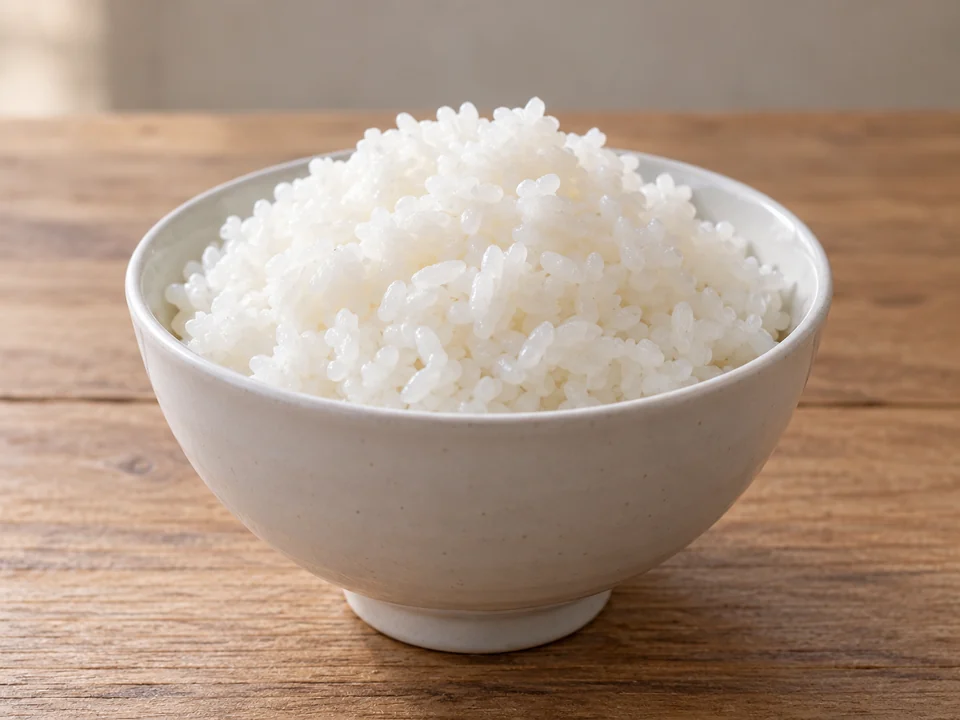 밥 | bap | Rice / meal — 밥 먹었어요? = Have you eaten? (common greeting) |
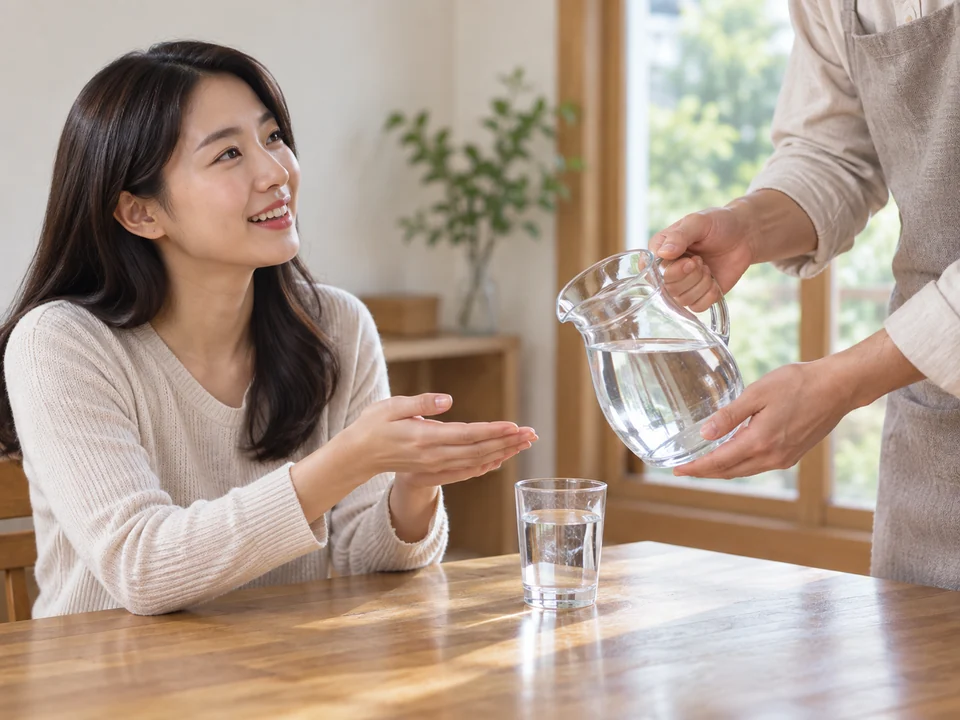 물 | mul | Water — 물 주세요 = Please give me water |
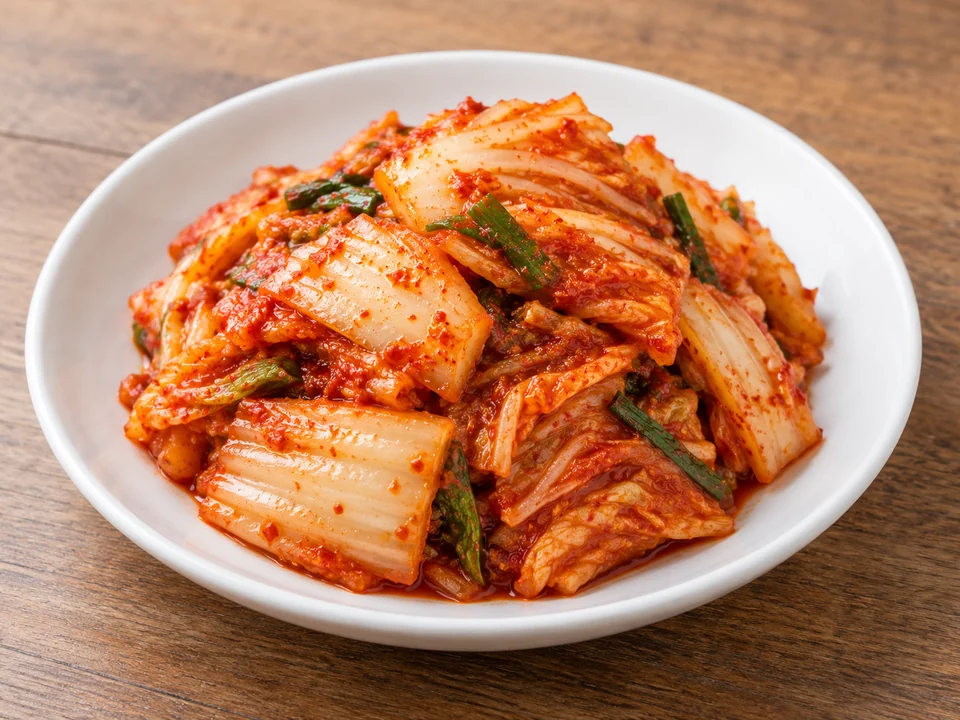 김치 | gimchi | Kimchi — fermented spicy cabbage; a national staple served at every meal |
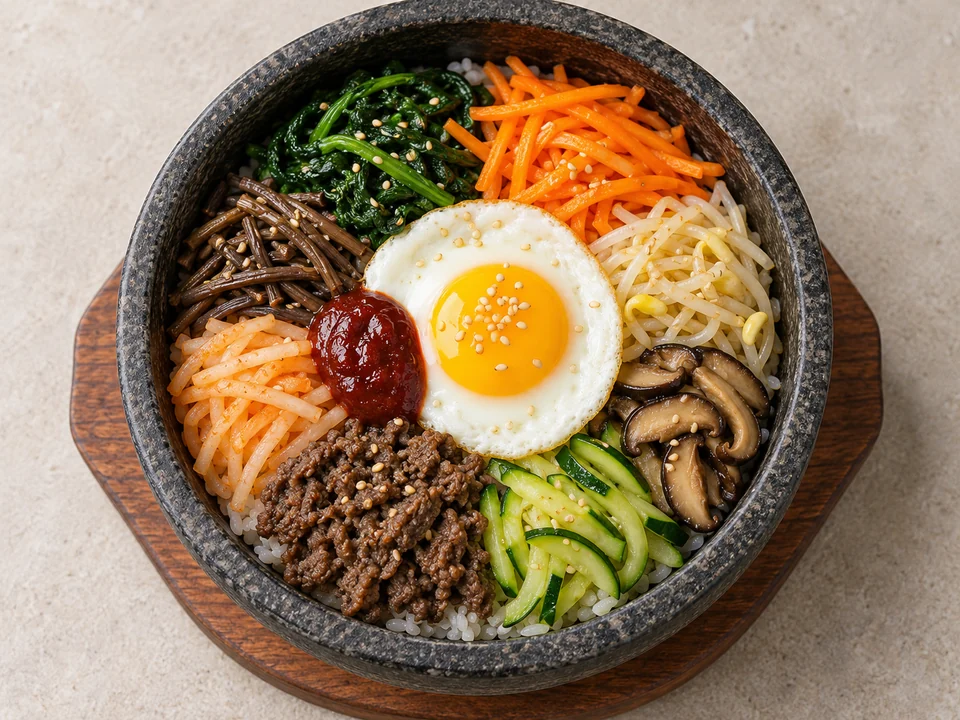 비빔밥 | bibimbap | Bibimbap — mixed rice bowl with vegetables, meat and egg |
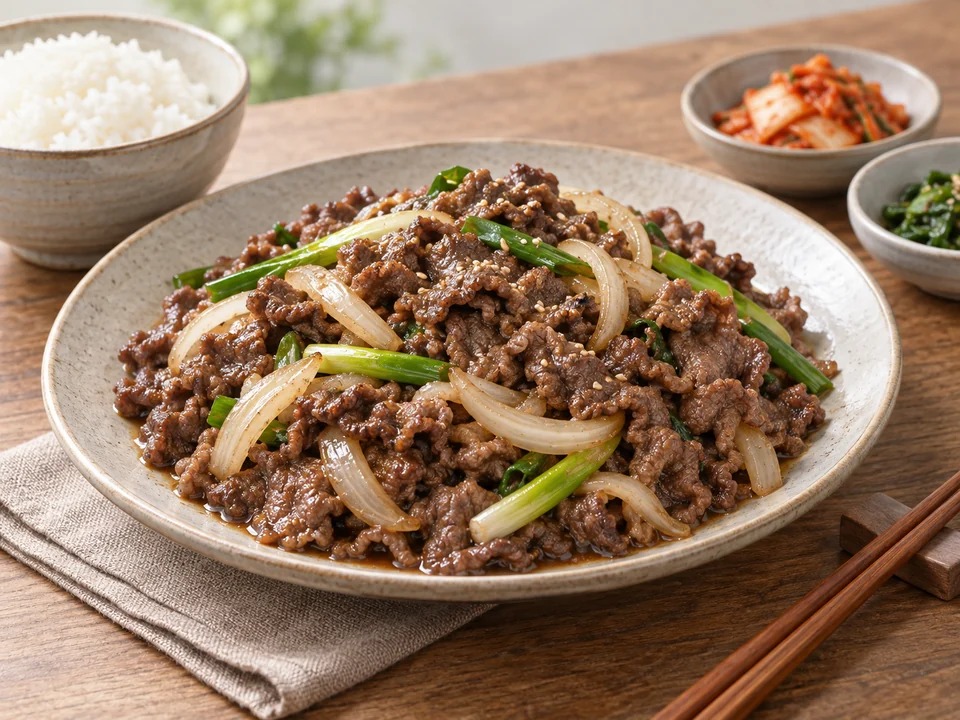 불고기 | bulgogi | Bulgogi — marinated grilled beef; literally 'fire meat' |
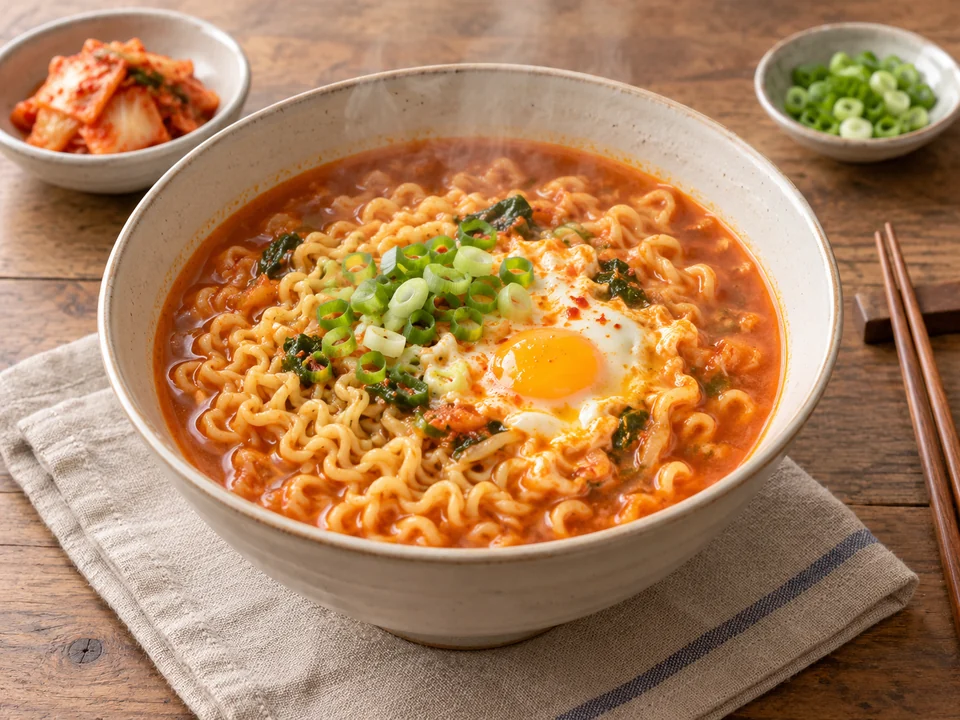 라면 | ramyeon | Korean instant noodles — spicier than Japanese ramen |
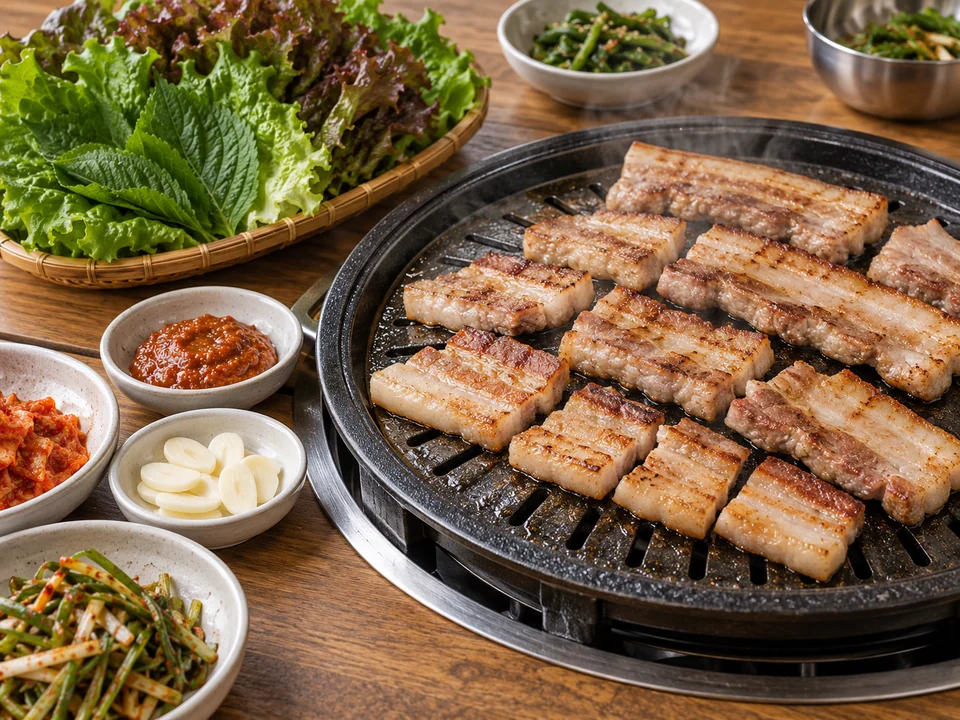 삼겹살 | samgyeopsal | Grilled pork belly — a beloved Korean BBQ staple |
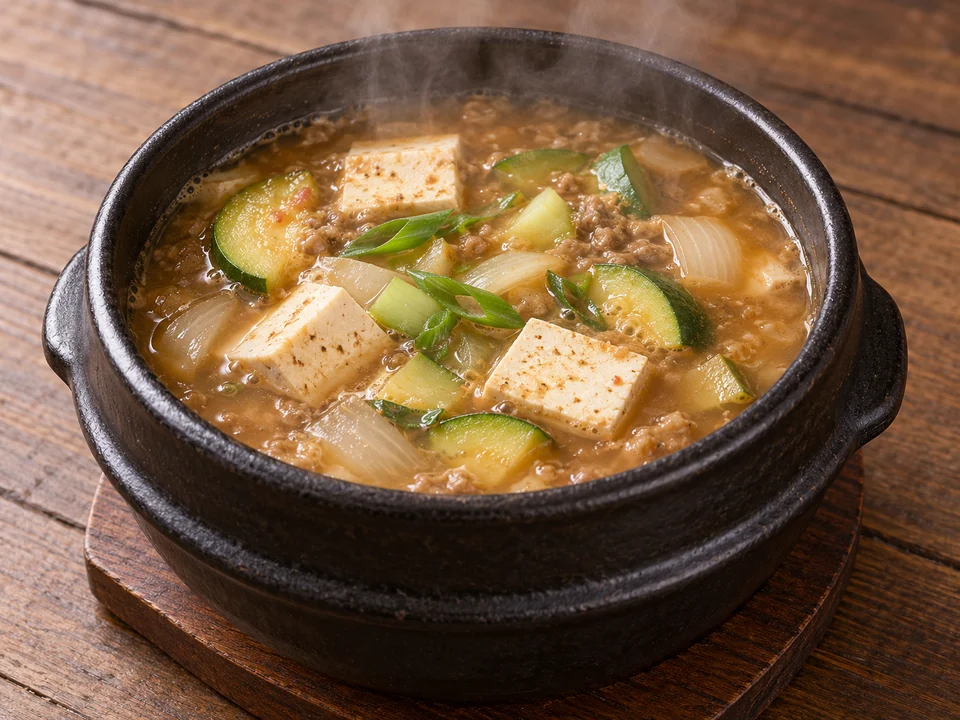 된장찌개 | doenjang jjigae | Fermented soybean paste stew — the most comforting Korean dish |
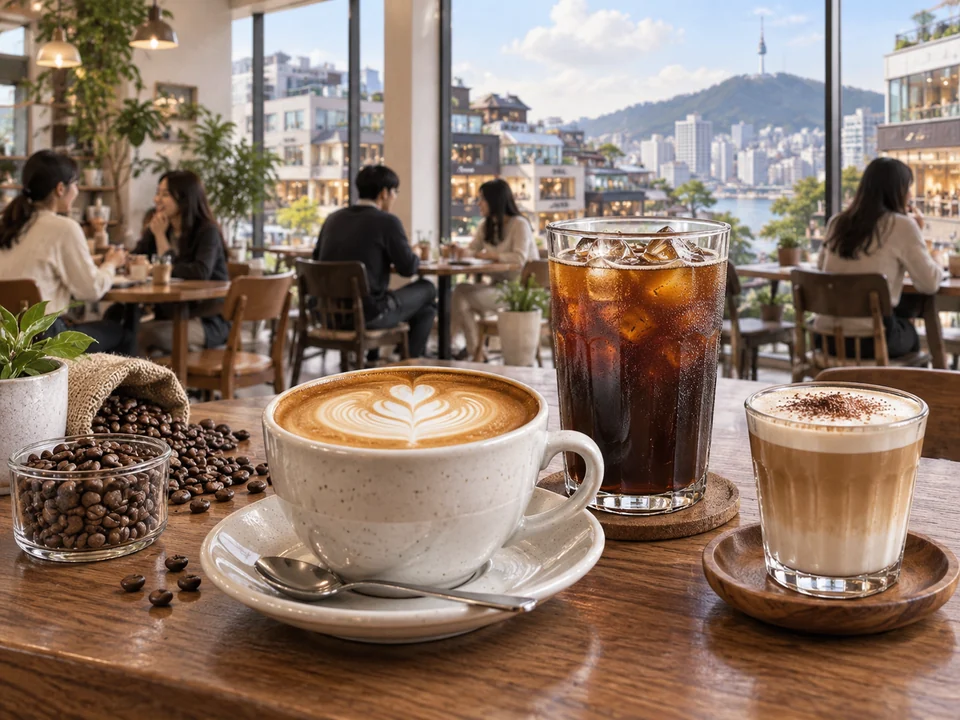 커피 | keopi | Coffee — Korea has one of the world's highest café densities |
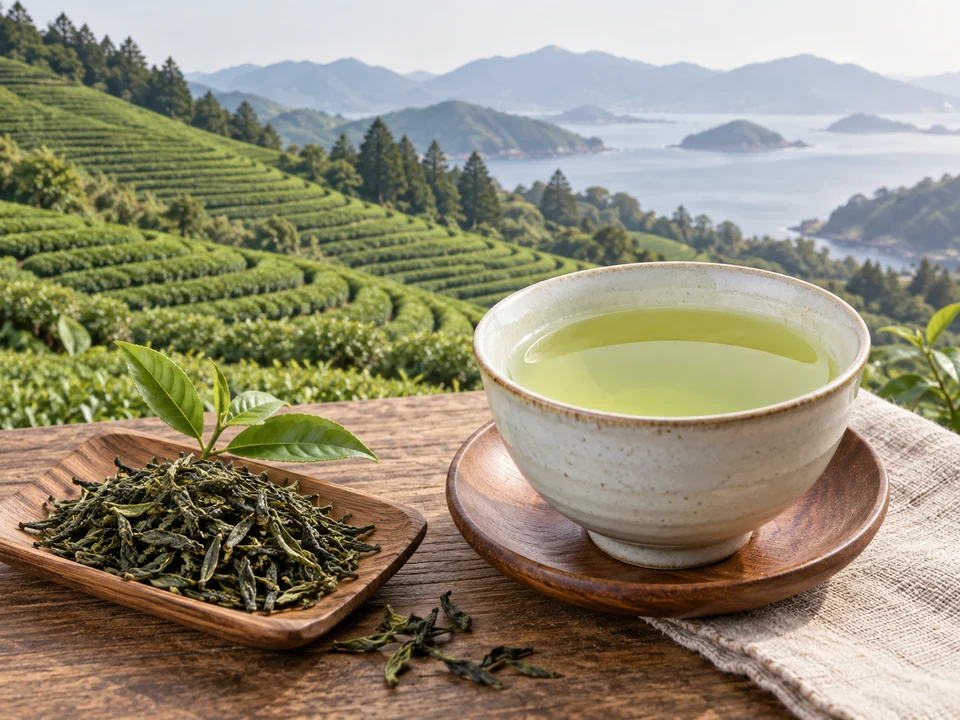 녹차 | nokcha | Green tea — grown famously in the Boseong region |
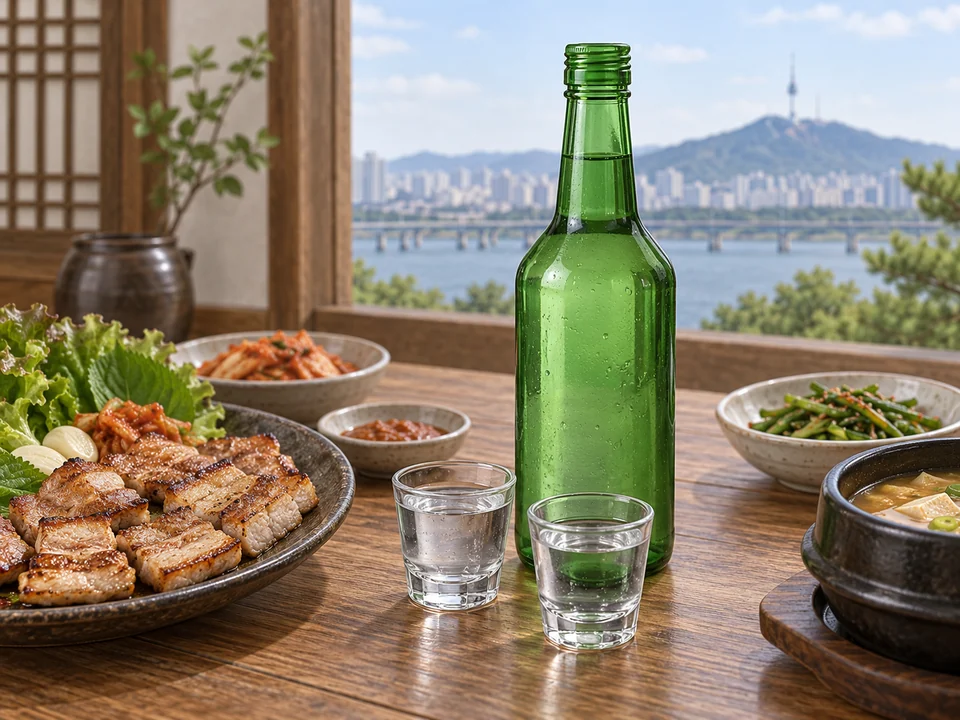 소주 | soju | Soju — Korea's iconic distilled rice spirit; the world's best-selling spirit |
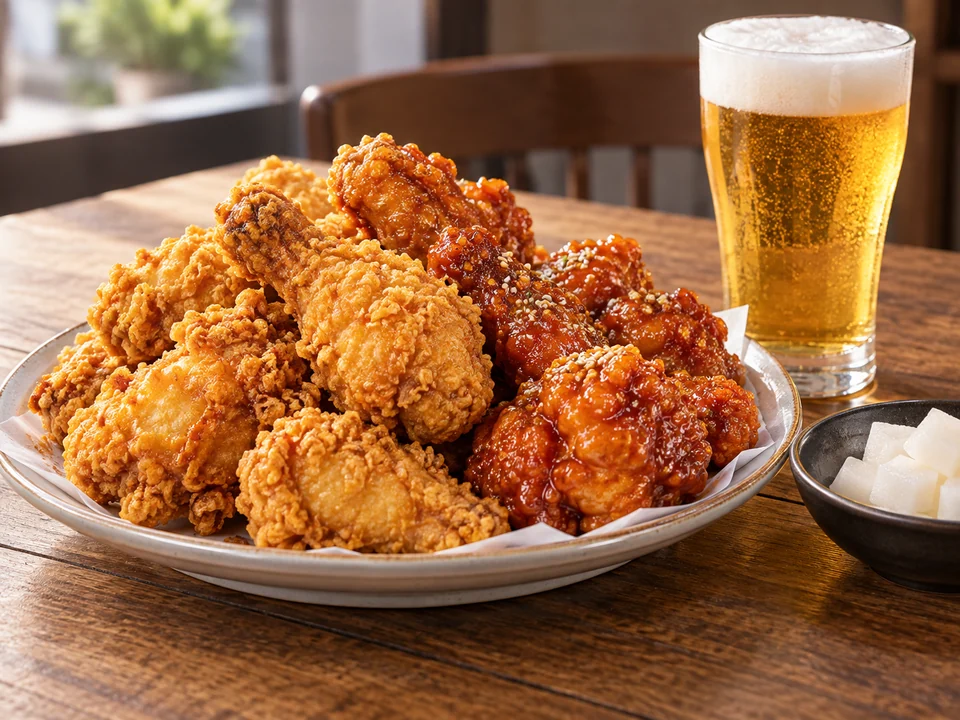 치킨 | chikin | Korean fried chicken — double-fried for extra crunch, often eaten with beer |
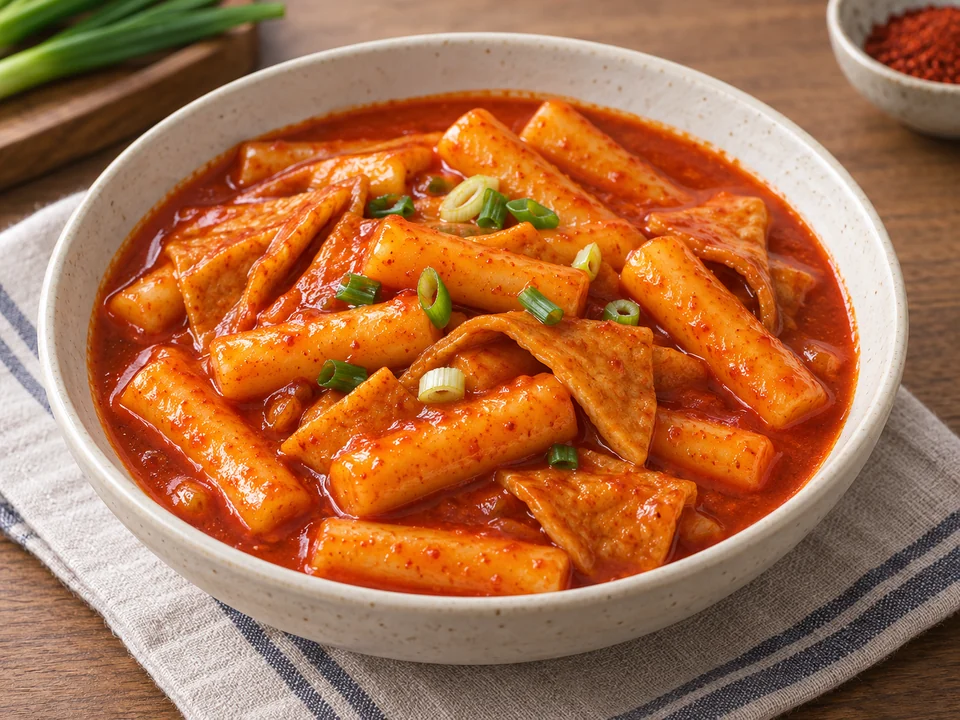 떡볶이 | tteokbokki | Spicy rice cakes — the most popular Korean street food |
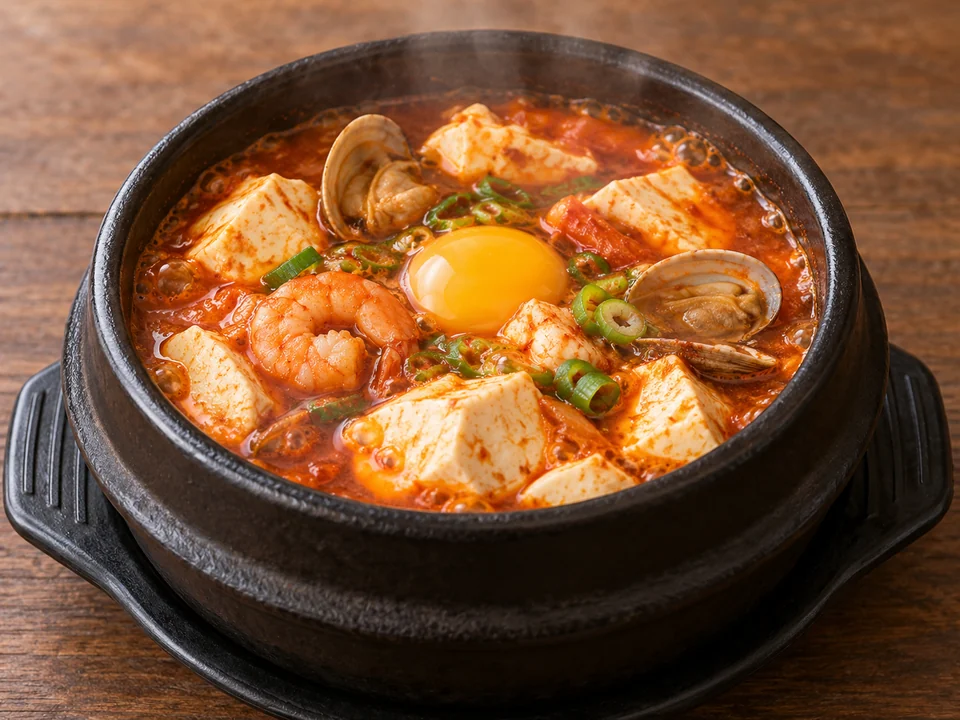 순두부 | sundubu | Soft tofu stew — a spicy, silky broth with egg and seafood |
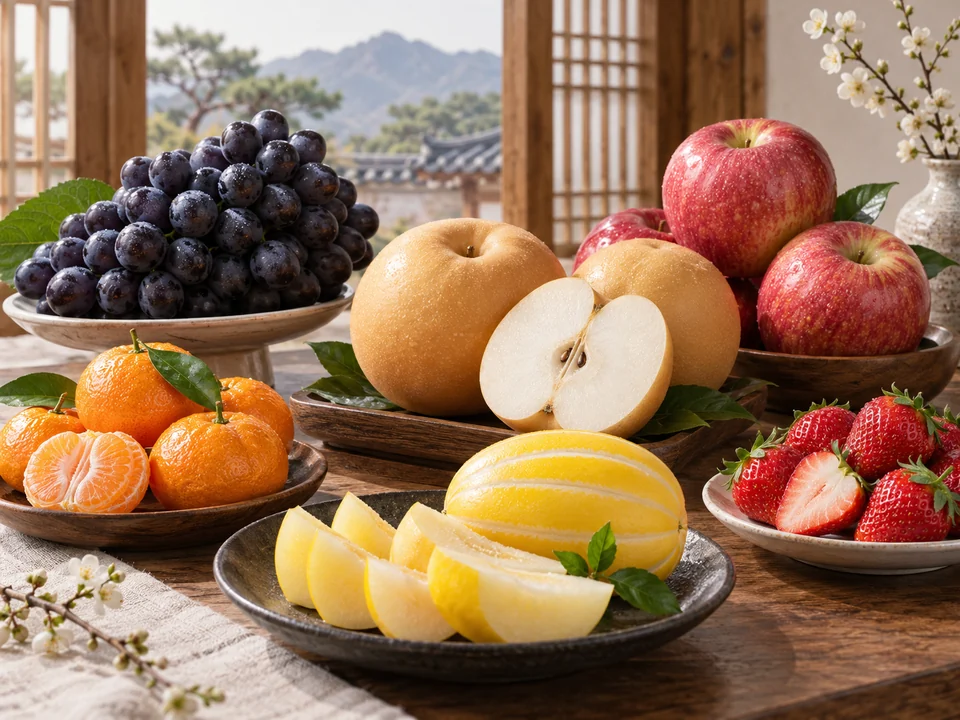 과일 | gwail | Fruit — Korean fruit is famously premium and expensive |
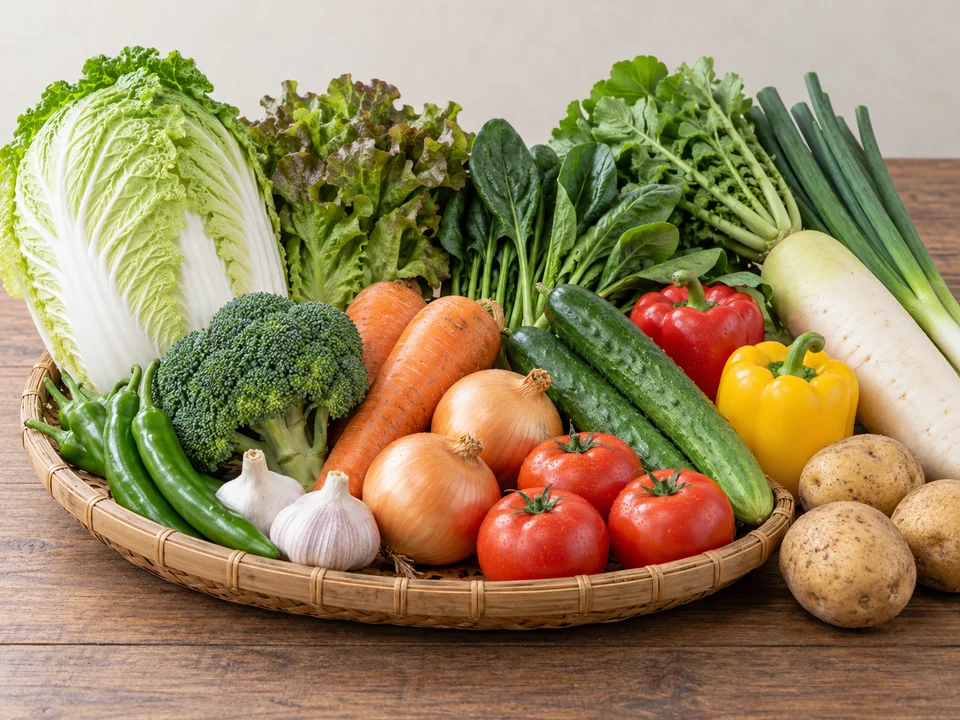 채소 | chaeso | Vegetables — 야채 (yaechae) is also commonly used |
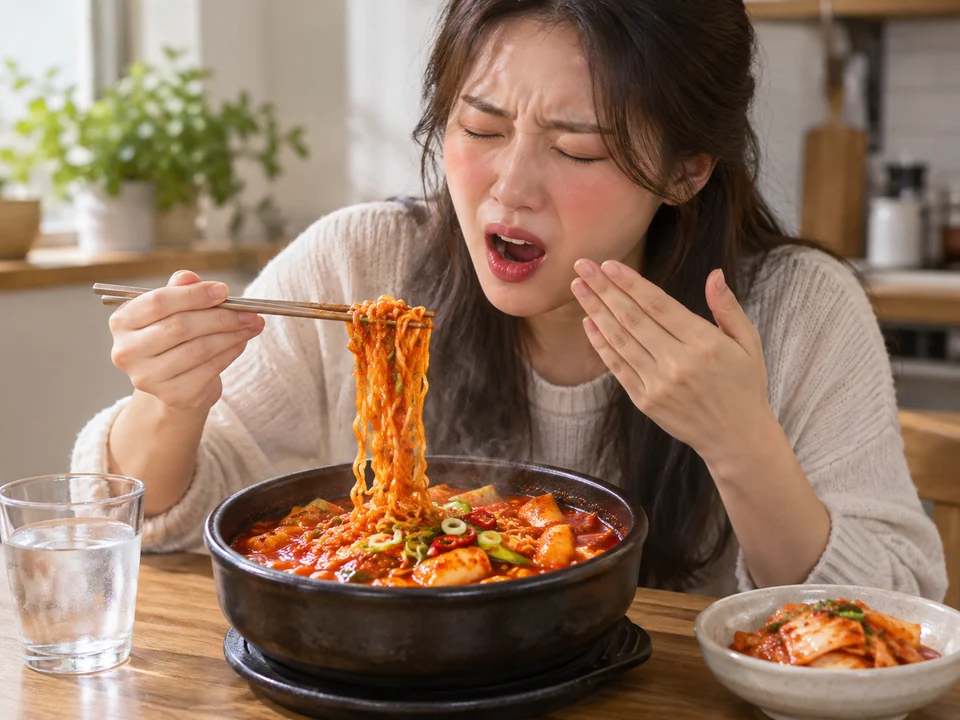 맵다 | maepda | Spicy / hot (of food) — 너무 매워요! = Too spicy! |
Check your understanding
Colors 색깔
Colors in Korean 색깔
Korean has two ways to express colors. Descriptive adjectives end in -다 (e.g., 빨갛다 = to be red) and are used in sentences. Color nouns end in -색 (color) and are used to name the color itself. Both forms are widely used.
Words and phrases
| Korean | Pronunciation | Meaning |
|---|---|---|
| 빨간색 | ppalgan saek | Red — 빨강 is the short form |
| 파란색 | paran saek | Blue — also used for 'green' traffic lights in everyday speech |
| 노란색 | noran saek | Yellow |
| 초록색 | chorok saek | Green — from 초록 (verdant green) |
| 흰색 | huin saek | White — 하얀색 is an equally common alternative |
| 검은색 | geomeun saek | Black — 까만색 is also widely used |
| 보라색 | bora saek | Purple / violet |
| 주황색 | juhwang saek | Orange |
| 분홍색 | bunhong saek | Pink — 핑크색 (pinkeu saek) is the Konglish alternative |
| 갈색 | gal saek | Brown |
| 하늘색 | haneul saek | Sky blue — literally 'sky color' (하늘 = sky) |
| 회색 | hoe saek | Grey |
| 금색 | geum saek | Gold — 금 (geum) means 'gold' or 'money' |
| 은색 | eun saek | Silver — 은 (eun) means 'silver' |
| 색깔 | saekkal | Color — the general word for color |
Check your understanding
Days & Time 요일과 시간
Days & Time in Korean 요일과 시간
Korean days of the week come from the Chinese five-element system plus sun and moon. Hours use native Korean numbers (하나~열), while minutes use Sino-Korean numbers (일~오십구). Master this split and you can tell any time in Korean.
- Days: 월(Mon), 화(Tue), 수(Wed), 목(Thu), 금(Fri), 토(Sat), 일(Sun) + 요일
- Hours: use native Korean numbers → 한 시 (1 o'clock), 두 시 (2 o'clock)
- Minutes: use Sino-Korean numbers → 오 분 (5 min), 삼십 분 (30 min)
- AM/PM: 오전 (morning/AM), 오후 (afternoon/PM)
Words and phrases
| Korean | Pronunciation | Meaning |
|---|---|---|
| 월요일 | woryoil | Monday — 월 (Moon/Month) |
| 화요일 | hwayoil | Tuesday — 화 (Fire) |
| 수요일 | suyoil | Wednesday — 수 (Water) |
| 목요일 | mogyoil | Thursday — 목 (Wood/Tree) |
| 금요일 | geumyoil | Friday — 금 (Gold/Metal) |
| 토요일 | toyoil | Saturday — 토 (Earth/Soil) |
| 일요일 | iryoil | Sunday — 일 (Sun) |
Check your understanding
Telling Time in Korean 시간 말하기
To tell time: say AM/PM + hour (native number + 시) + minute (Sino-Korean number + 분). Example: 오전 두 시 삼십 분 = 2:30 AM. 오후 다섯 시 = 5:00 PM.
Words and phrases
| Korean | Pronunciation | Meaning |
|---|---|---|
| 시 | si | O'clock / hour — 두 시 = 2 o'clock (uses native Korean number) |
| 분 | bun | Minute — 삼십 분 = 30 minutes (uses Sino-Korean number) |
| 반 | ban | Half — 두 시 반 = 2:30 (half past two) |
| 오전 | ojeon | AM / morning — 오전 열 시 = 10:00 AM |
| 오후 | ohu | PM / afternoon — 오후 세 시 = 3:00 PM |
| 오늘 | oneul | Today |
| 내일 | naeil | Tomorrow |
| 어제 | eoje | Yesterday |
| 지금 | jigeum | Now / right now |
| 주말 | jumal | Weekend — 주말에 뭐 해요? = What are you doing on the weekend? |
Check your understanding
Places 장소
Places in Korean 장소
Knowing place names lets you navigate cities, ask for directions, and tell people where you are going. These words are also key building blocks in Korean sentences — many verbs are built around locations.
Words and phrases
| Korean | Pronunciation | Meaning |
|---|---|---|
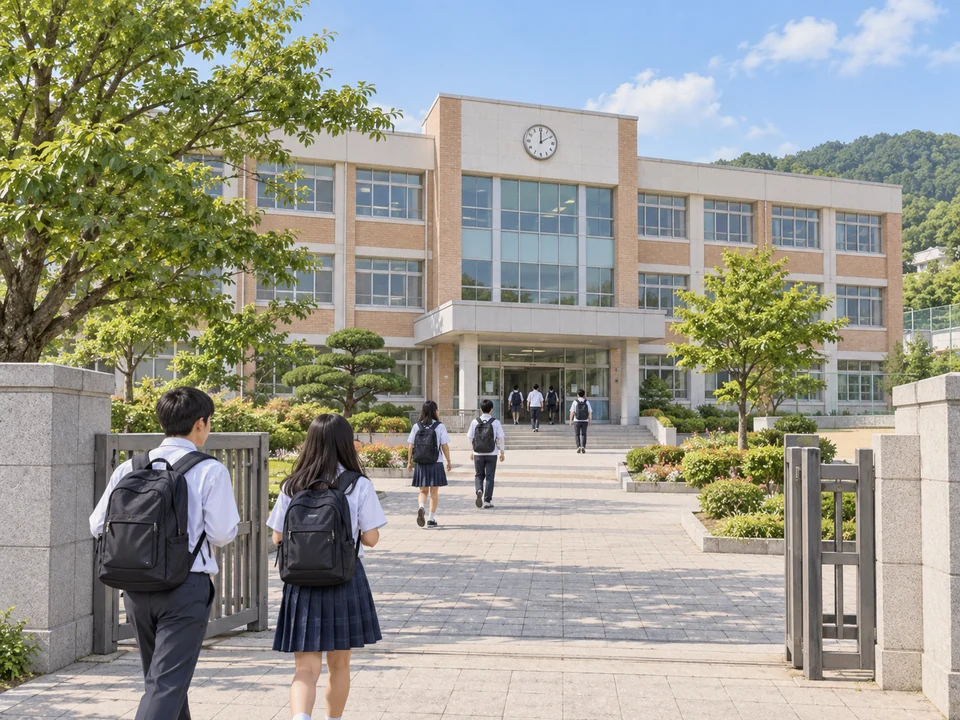 학교 | hakgyo | School |
 병원 | byeongwon | Hospital / clinic |
 약국 | yakguk | Pharmacy — 약 (medicine) + 국 (place) |
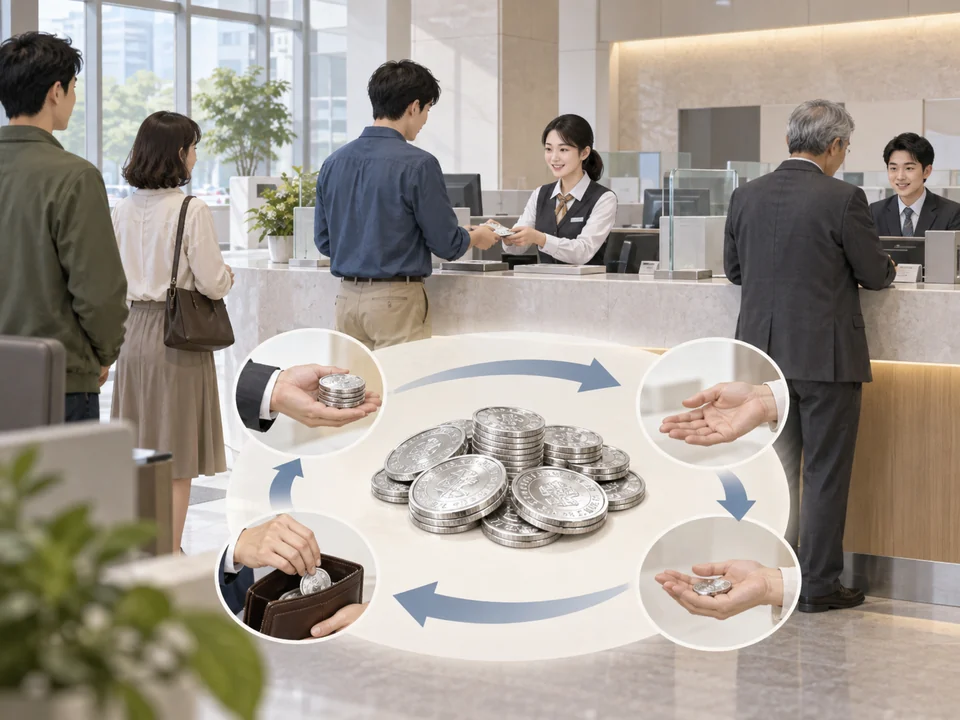 은행 | eunhaeng | Bank — 은 (silver) + 행 (circulate) = where silver circulates |
 마트 | mateu | Mart / supermarket — from English 'mart' |
 편의점 | pyeonuijeom | Convenience store — 24/7 and everywhere in Korea |
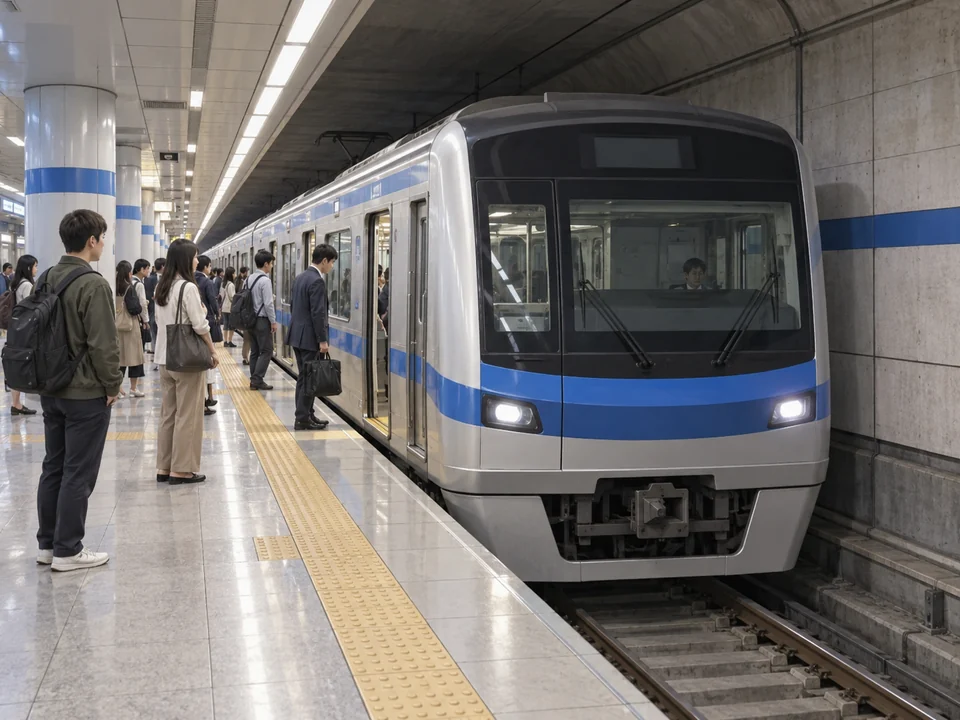 지하철 | jihacheol | Subway — 지하 (underground) + 철 (iron/rail) |
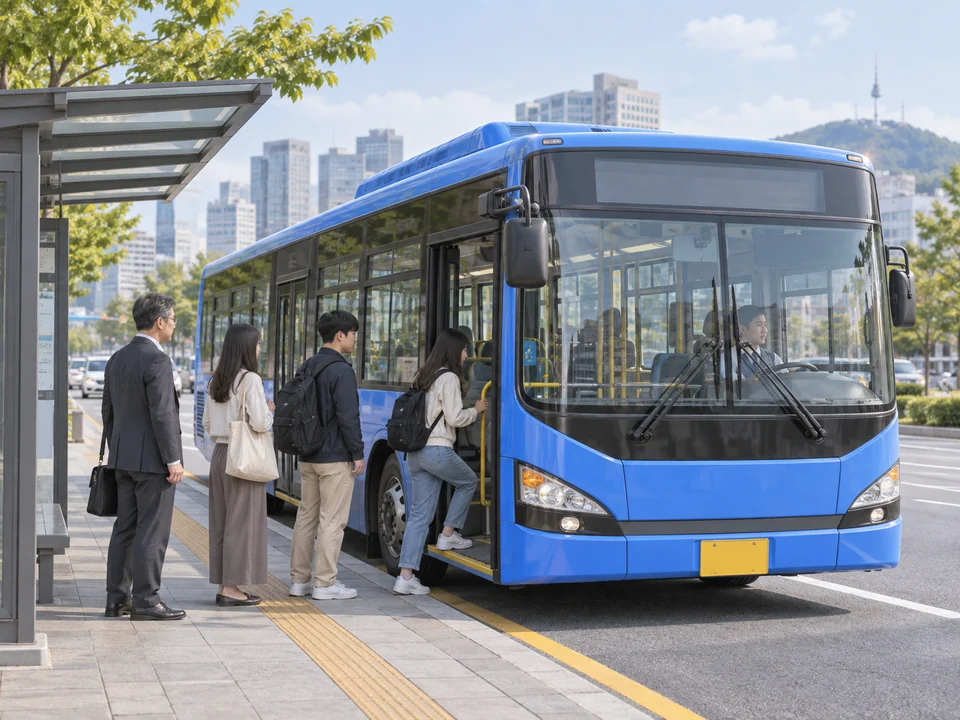 버스 | beoseu | Bus — from English 'bus' |
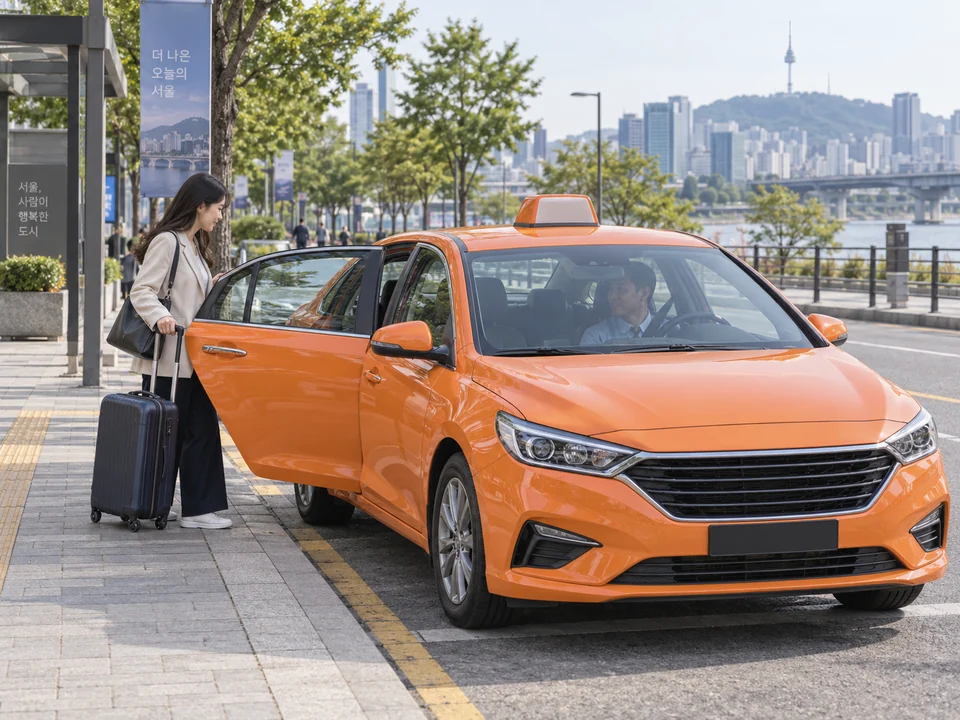 택시 | taeksi | Taxi — from English 'taxi' |
 공항 | gonghang | Airport — 공 (air/sky) + 항 (port) |
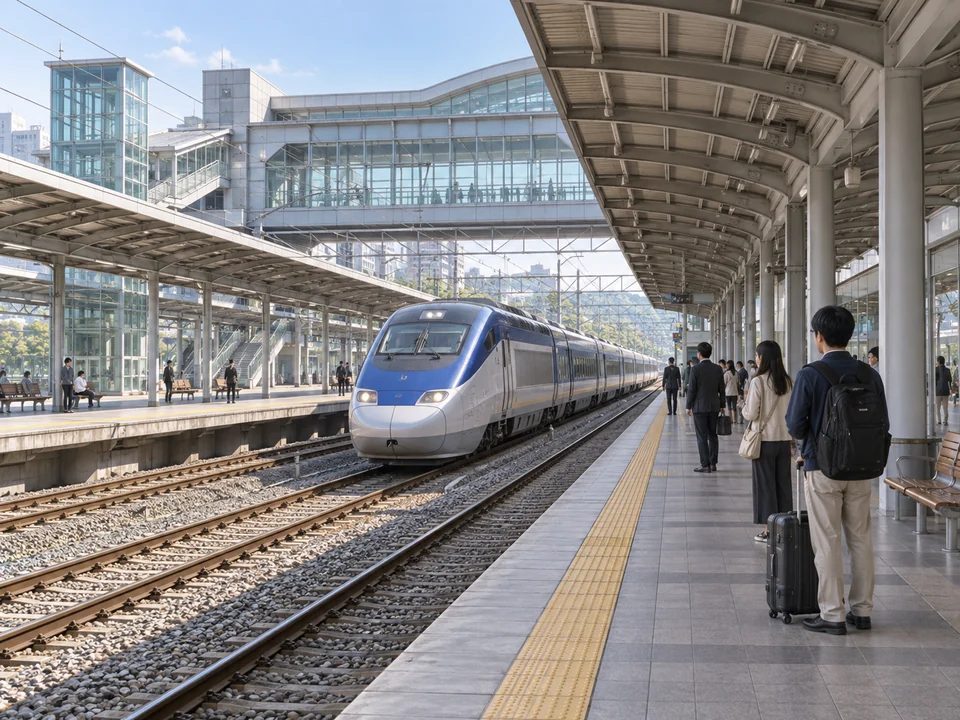 기차역 | gichayeok | Train station — 기차 (train) + 역 (station) |
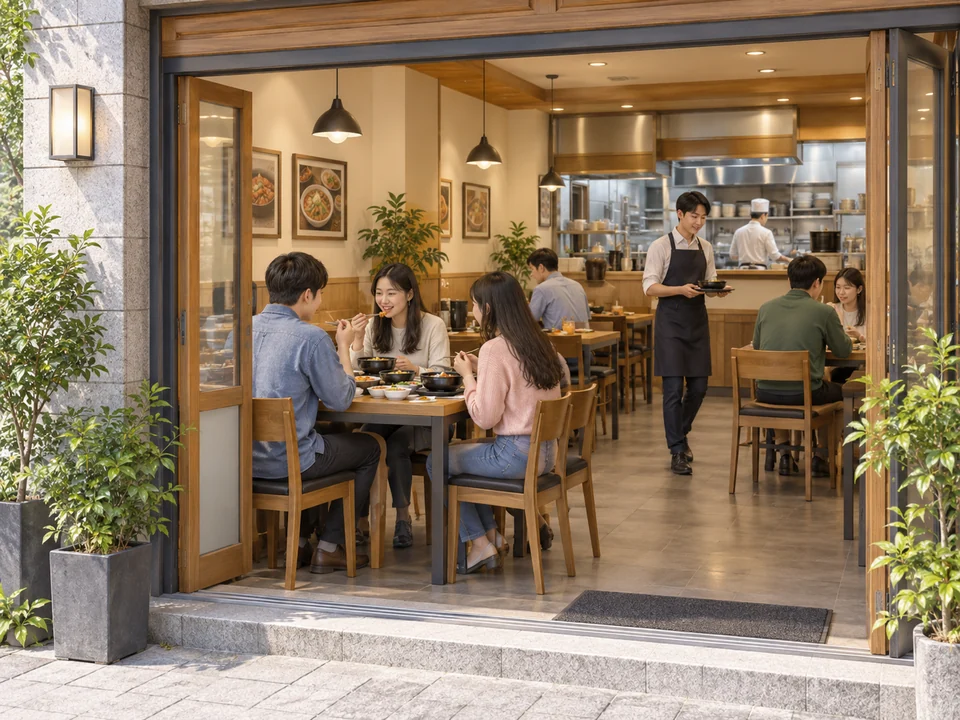 식당 | sikdang | Restaurant — 식 (eat/food) + 당 (hall/place) |
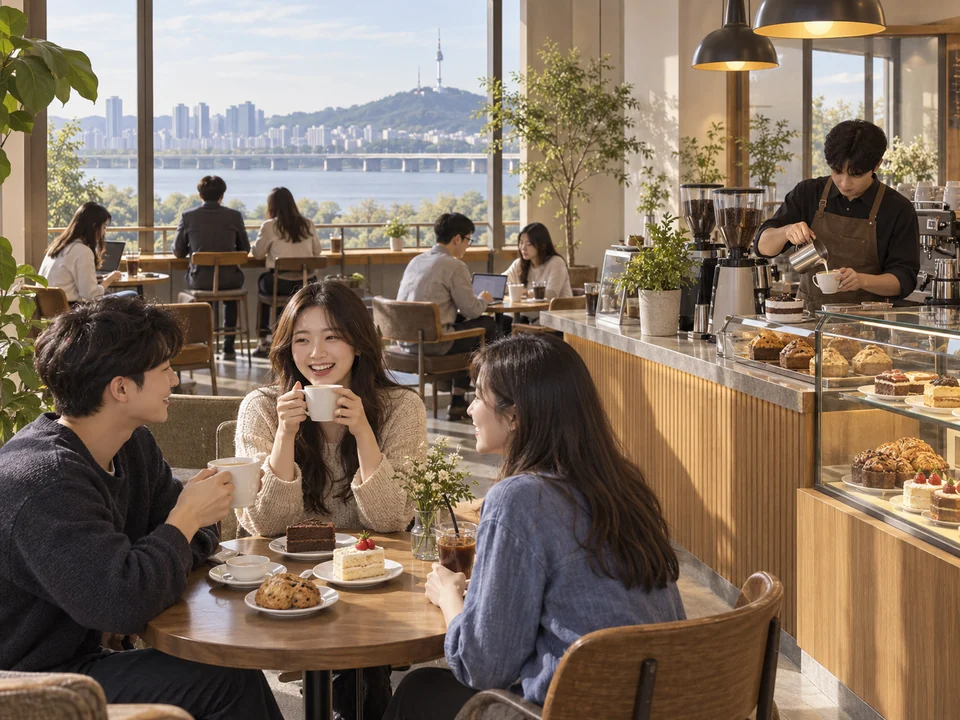 카페 | kape | Café — Korea has a café culture second to none |
 호텔 | hotel | Hotel |
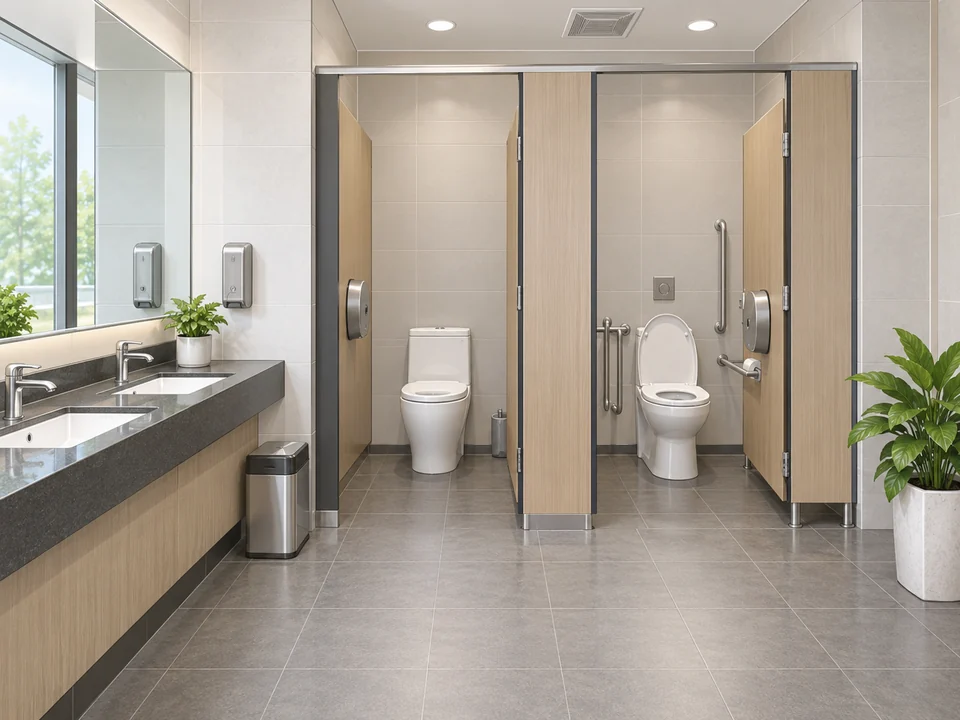 화장실 | hwajangsil | Restroom / toilet — literally 'makeup room' |
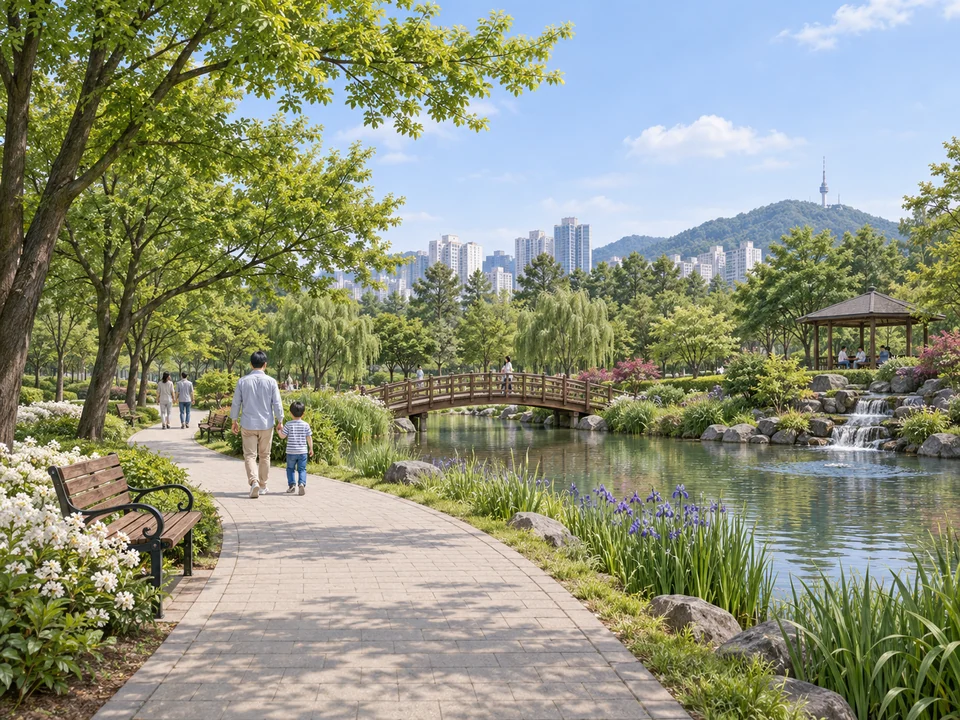 공원 | gongwon | Park — Korean parks are well-maintained and popular |
Check your understanding
Emotions 감정
Emotions in Korean 감정 표현
Korean emotions are often expressed using 해요-form verbs rather than adjectives. Many emotional states end in -워요 through the ㅂ-irregular: adjectives whose stem ends in ㅂ (무섭다, 부럽다, 즐겁다) change that ㅂ to 우, giving 무서워요, 부러워요, 즐거워요. Koreans also use the concept of 눈치 (nunchi) — reading others' emotions without them having to express it.
Words and phrases
| Korean | Pronunciation | Meaning |
|---|---|---|
 행복해요 | haengbokhaeyo | I'm happy — 행복 (happiness) is the root noun |
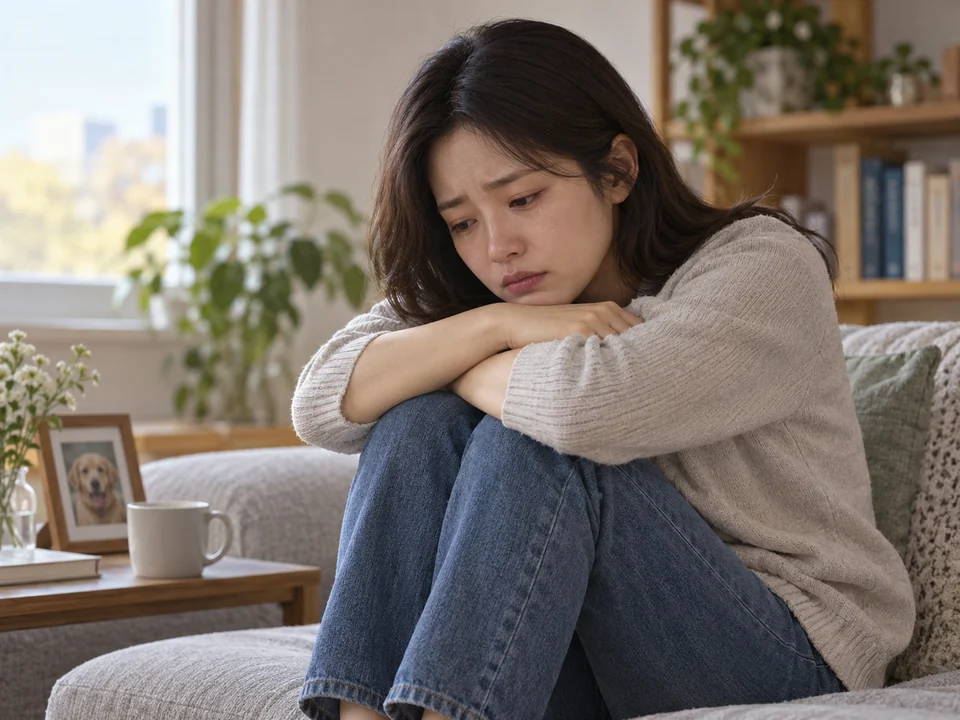 슬퍼요 | seulpeoyo | I'm sad — from 슬프다 (to be sad) |
 화나요 | hwanayo | I'm angry — 화 means 'anger/fire'; 화가 나다 = anger rises |
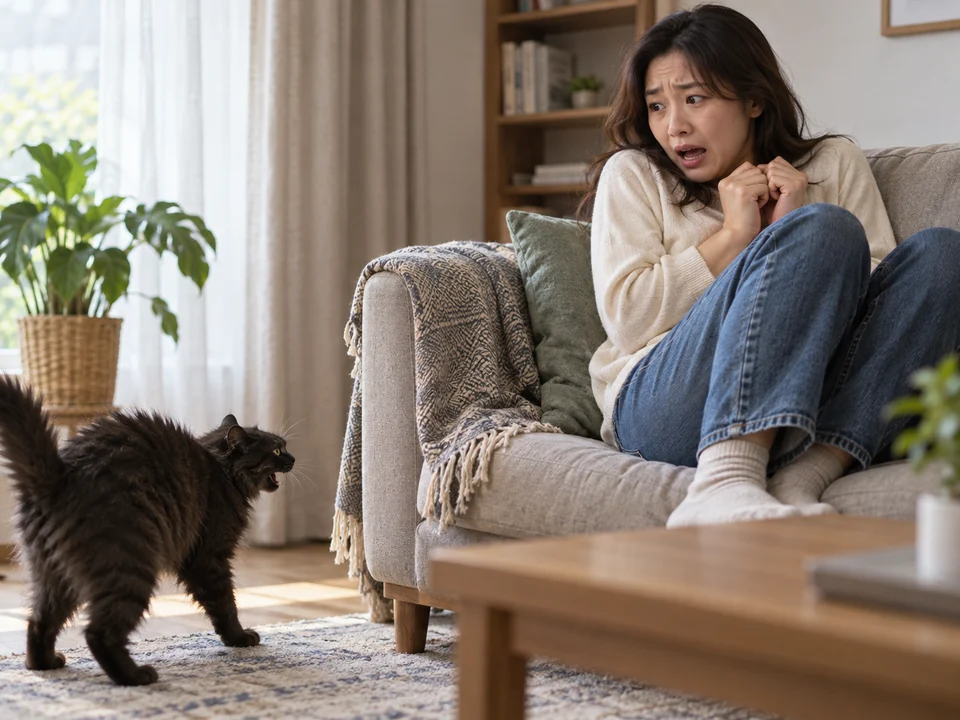 무서워요 | museowoyo | I'm scared / it's scary |
 기뻐요 | gippeoyo | I'm glad / delighted — stronger than 행복해요 |
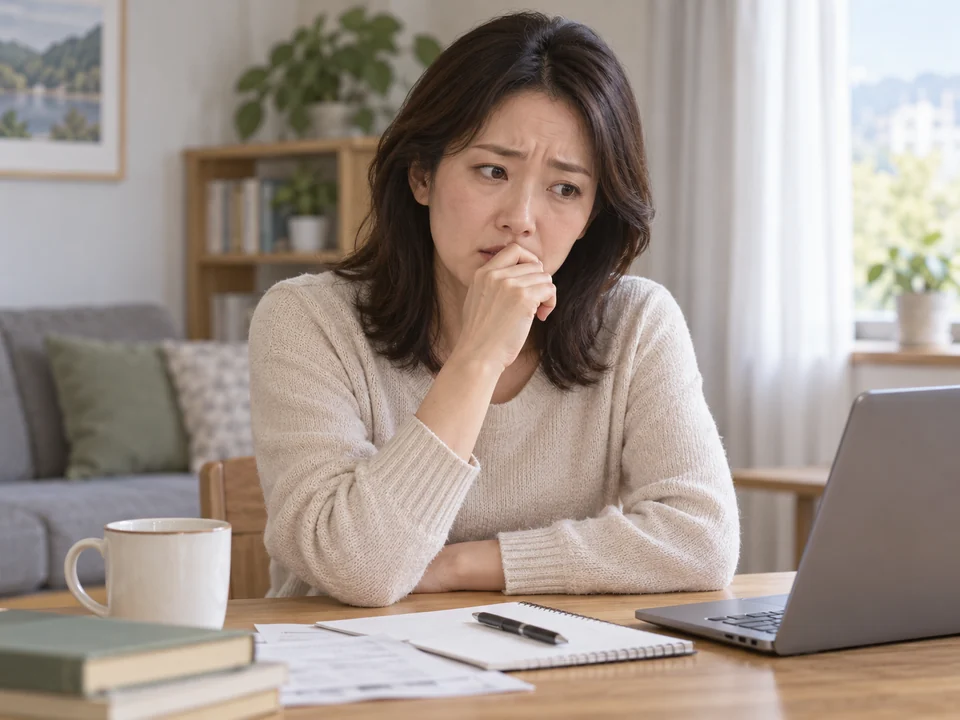 걱정돼요 | geokjeongdwaeyo | I'm worried — 걱정 (worry) is a very common noun in Korean |
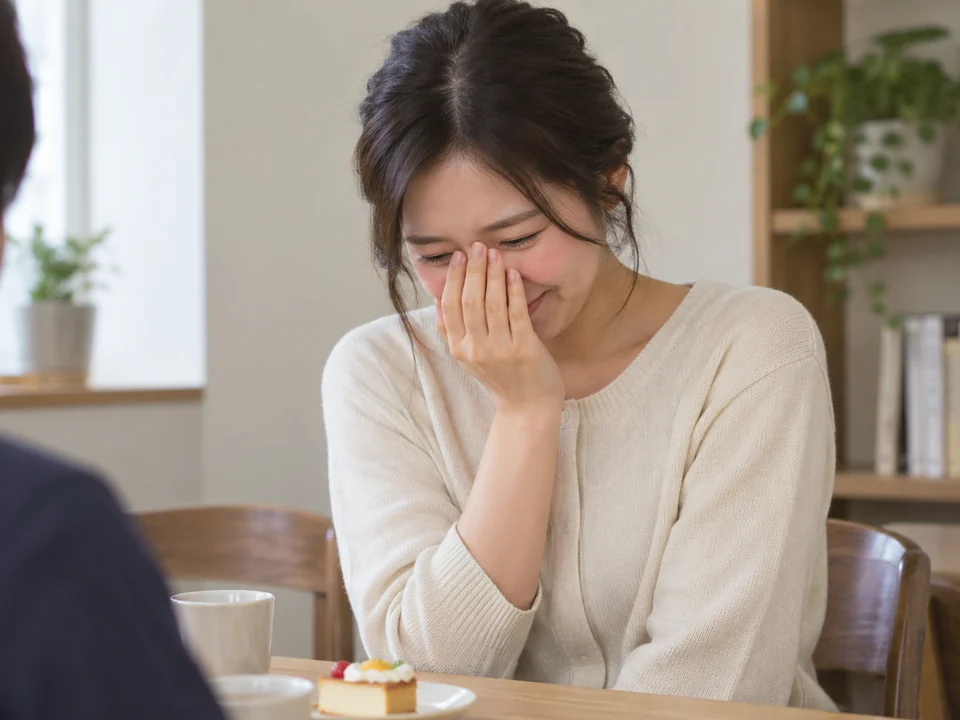 부끄러워요 | bukkeurowoyo | I'm embarrassed / ashamed |
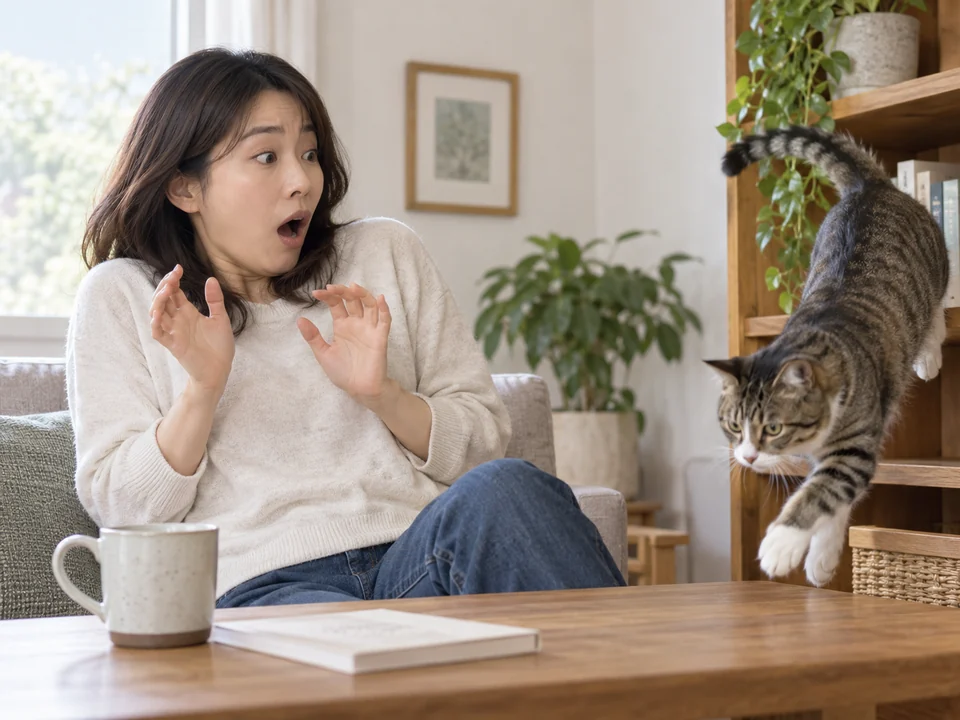 놀랐어요 | nollasseoyo | I was surprised — 깜짝이야! (Boo!) makes you say this |
 외로워요 | oerowoyo | I'm lonely — a common theme in K-drama lyrics |
 피곤해요 | pigonhaeyo | I'm tired / exhausted |
| 설레요 | seollaeyo | I'm excited / heart is fluttering — used for romantic excitement |
| 그리워요 | geuriwoyo | I miss (someone/something) — 보고 싶어요 is also widely used |
| 감동받았어요 | gamdong badasseoyo | I was moved / touched — 감동 is 'deep emotional impact' |
| 스트레스 | seuteureseu | Stress — 스트레스 받아요 = I'm stressed |
| 기분 | gibun | Feeling / mood — 기분이 어때요? = How are you feeling? |
Check your understanding
Body Parts 신체 부위
Body Parts in Korean 신체 부위
Knowing body-part vocabulary is essential for doctor visits, describing symptoms, and everyday conversation. Korean body-part names are mostly native Korean words, though medical terminology often uses Sino-Korean.
Words and phrases
| Korean | Pronunciation | Meaning |
|---|---|---|
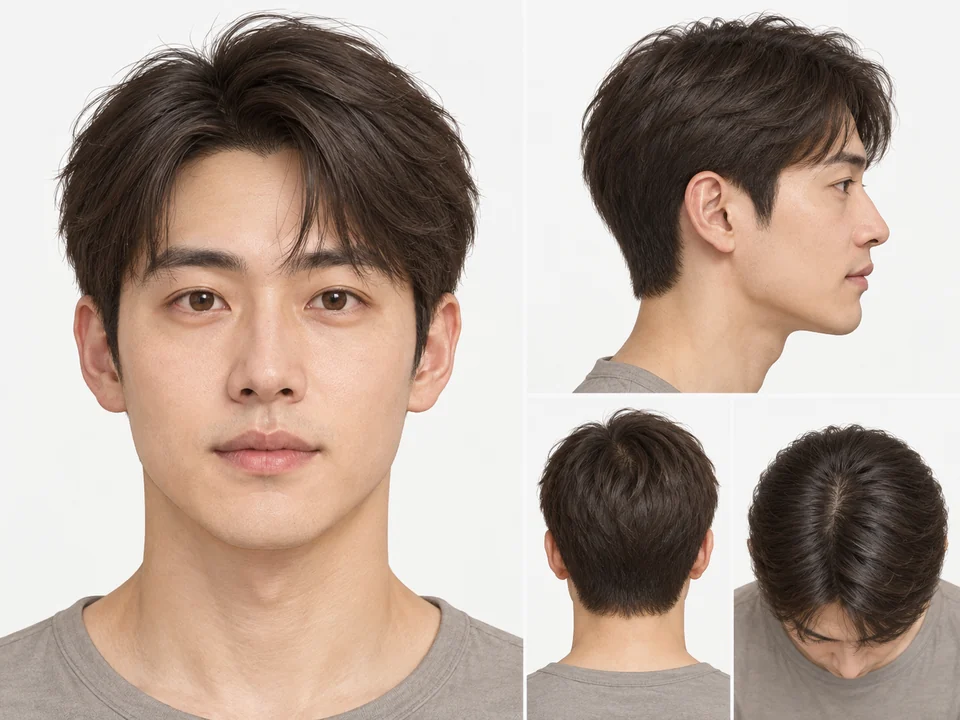 머리 | meori | Head / hair — 머리카락 is specifically 'hair strand' |
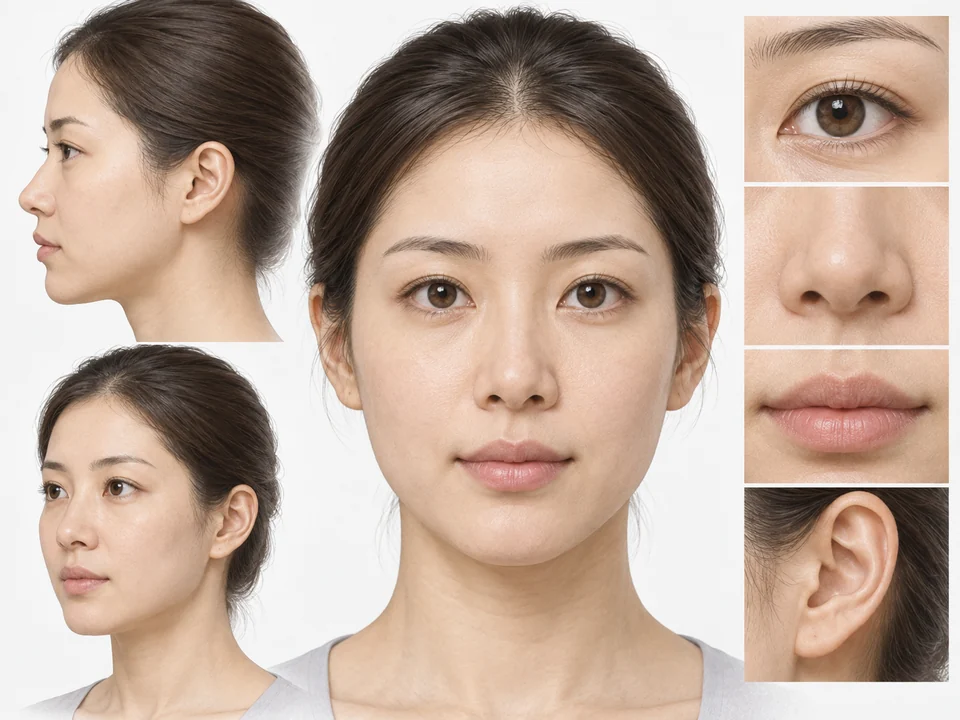 얼굴 | eolgul | Face |
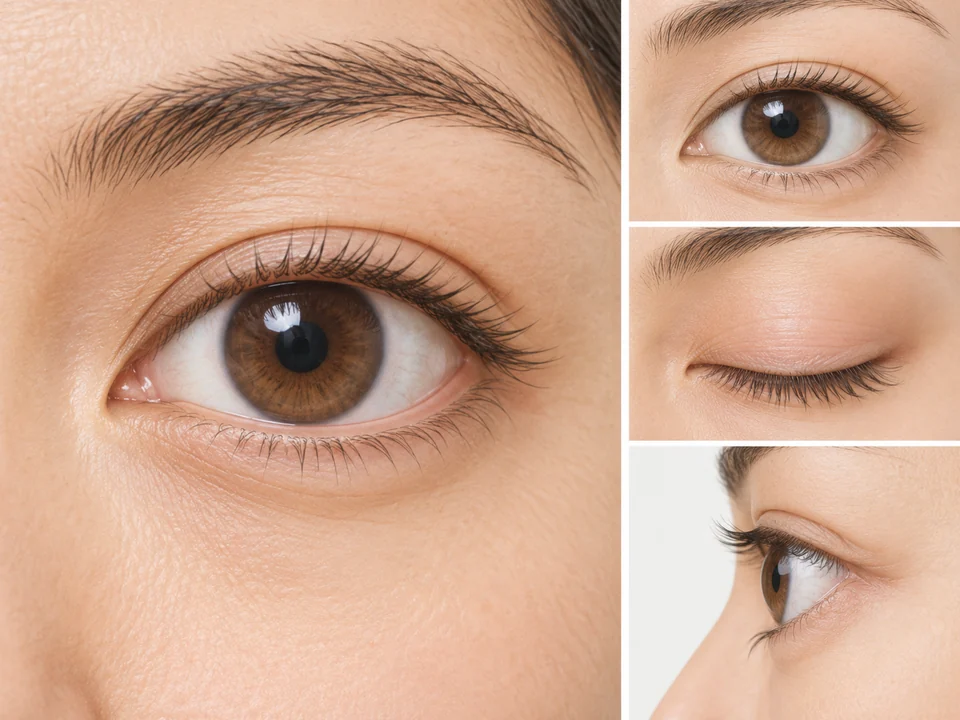 눈 | nun | Eye / snow — same word! Context determines the meaning |
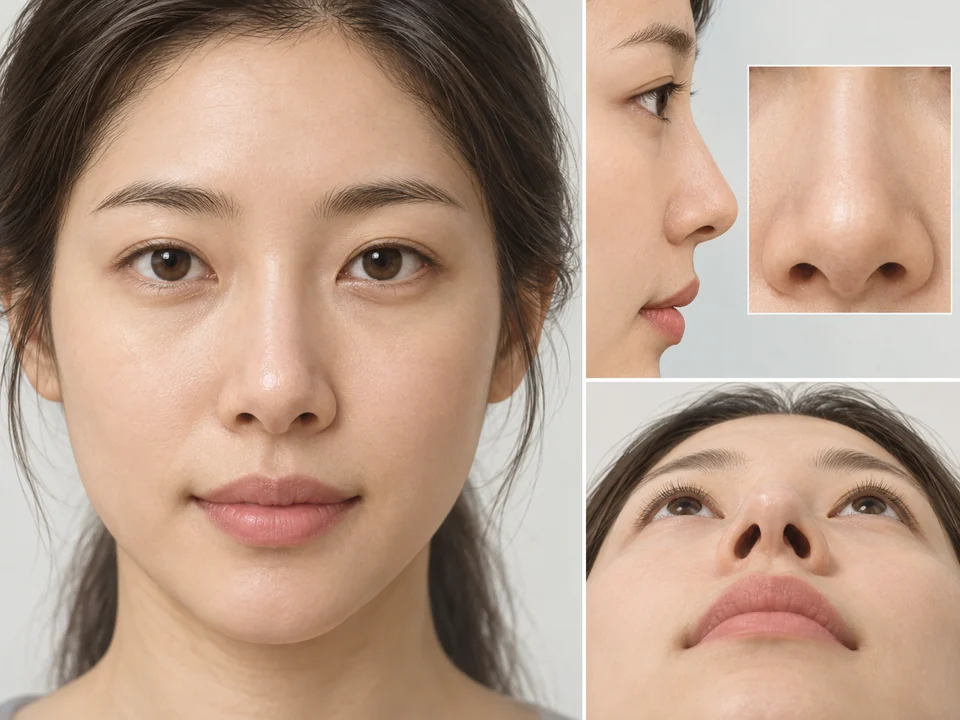 코 | ko | Nose |
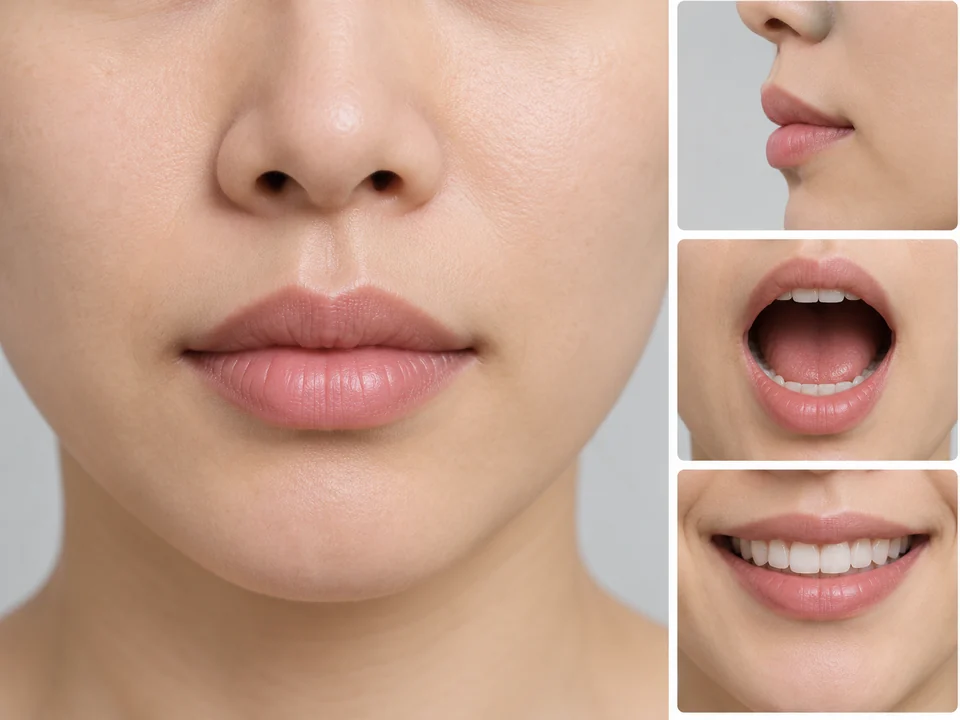 입 | ip | Mouth |
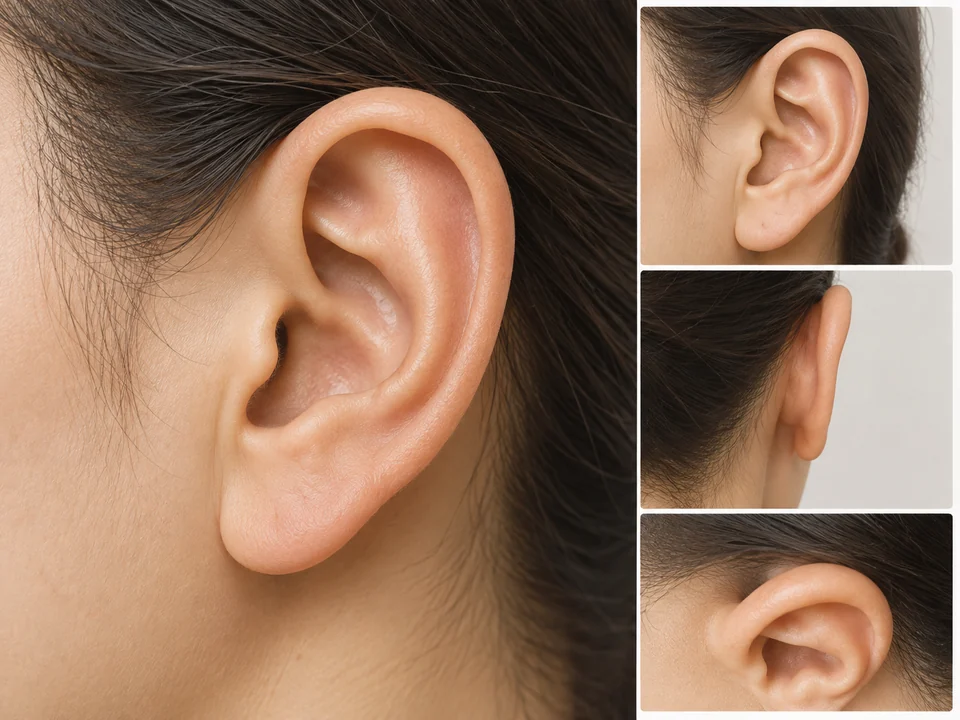 귀 | gwi | Ear |
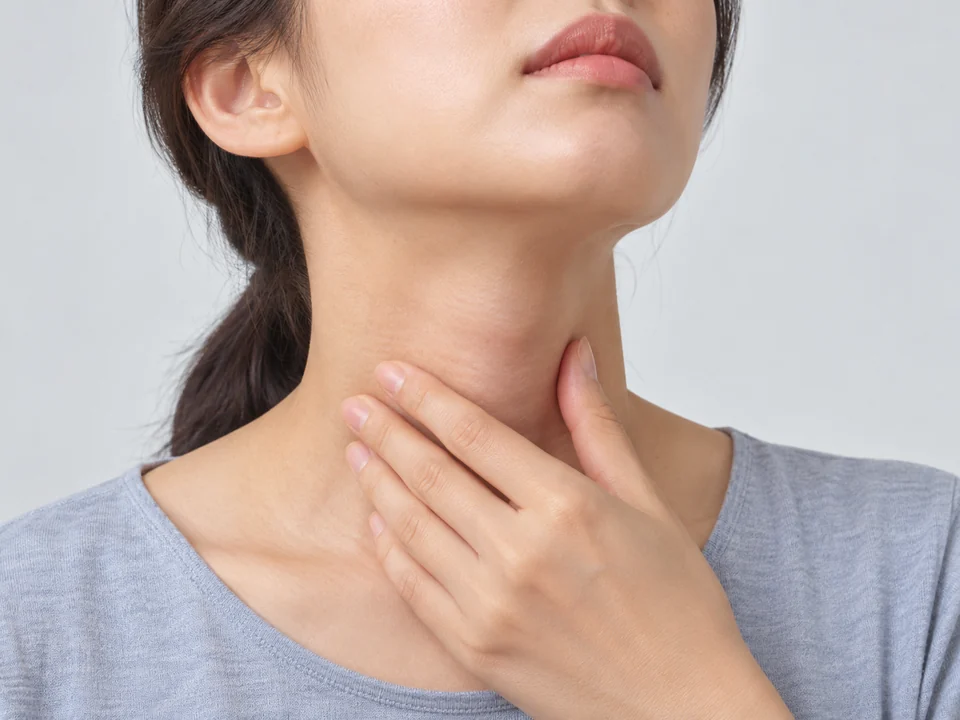 목 | mok | Neck / throat — 목이 아파요 = sore throat |
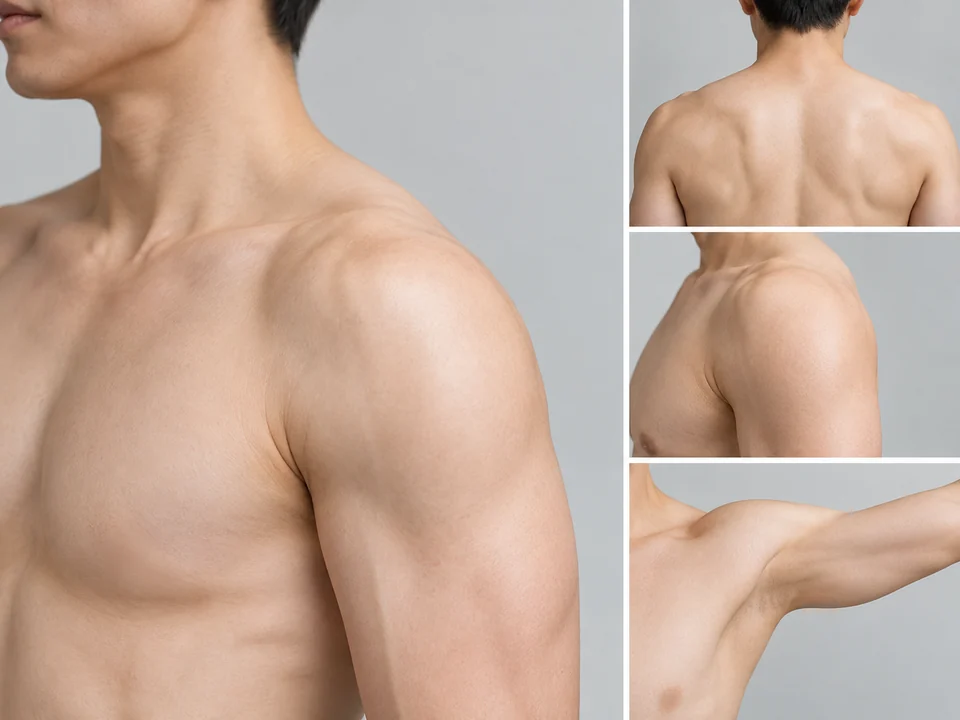 어깨 | eokkae | Shoulder |
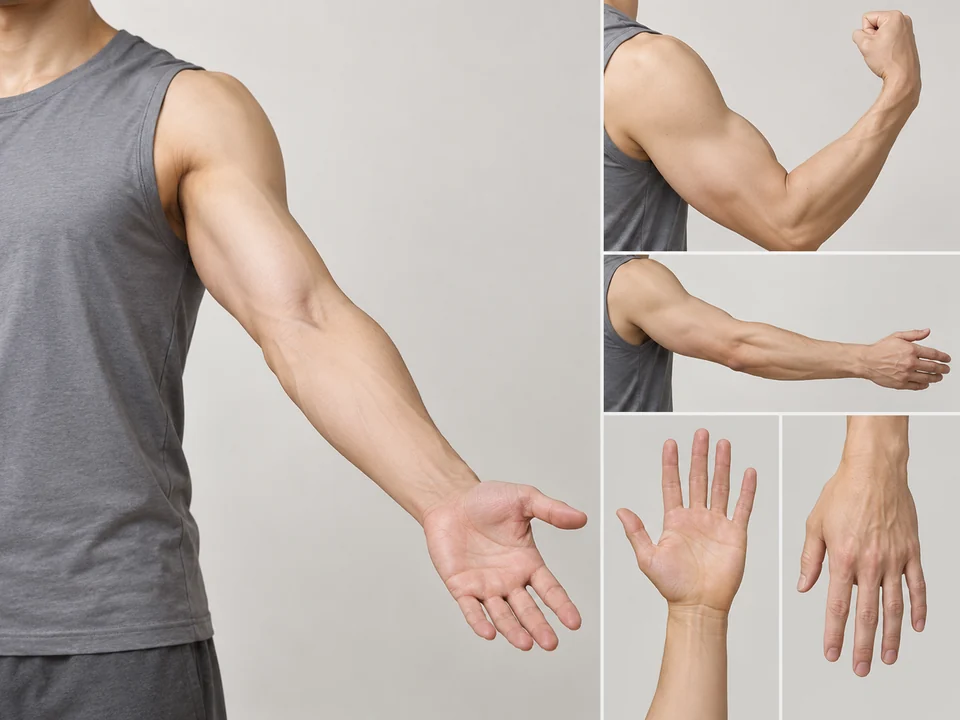 팔 | pal | Arm |
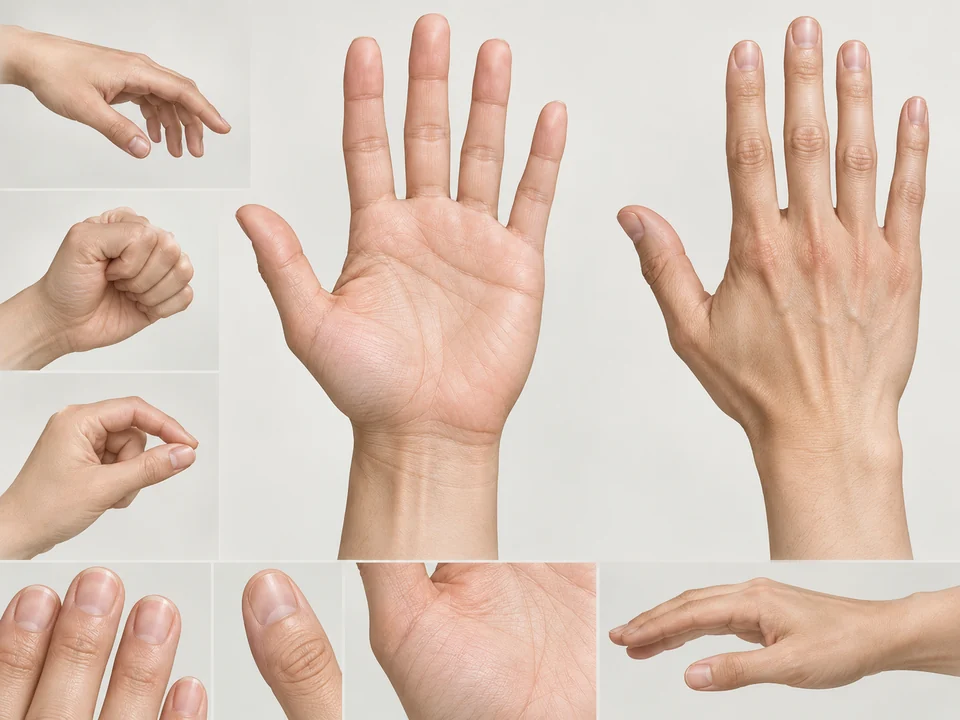 손 | son | Hand |
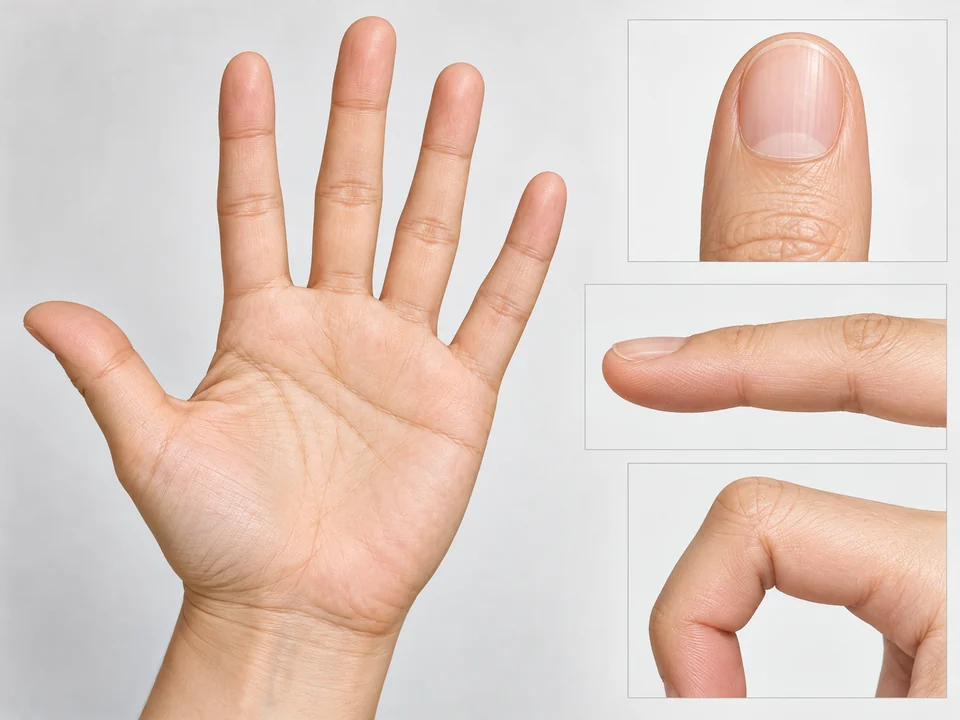 손가락 | songarak | Finger — literally 'hand branch' |
 배 | bae | Stomach / belly / boat / pear — very polysemous |
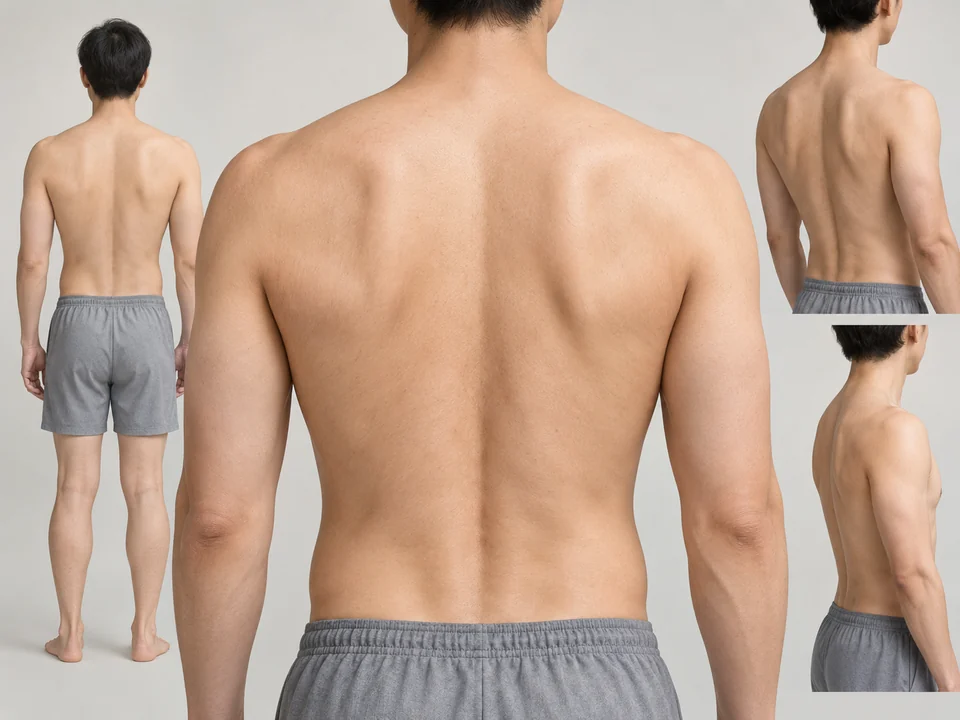 등 | deung | Back (of the body) |
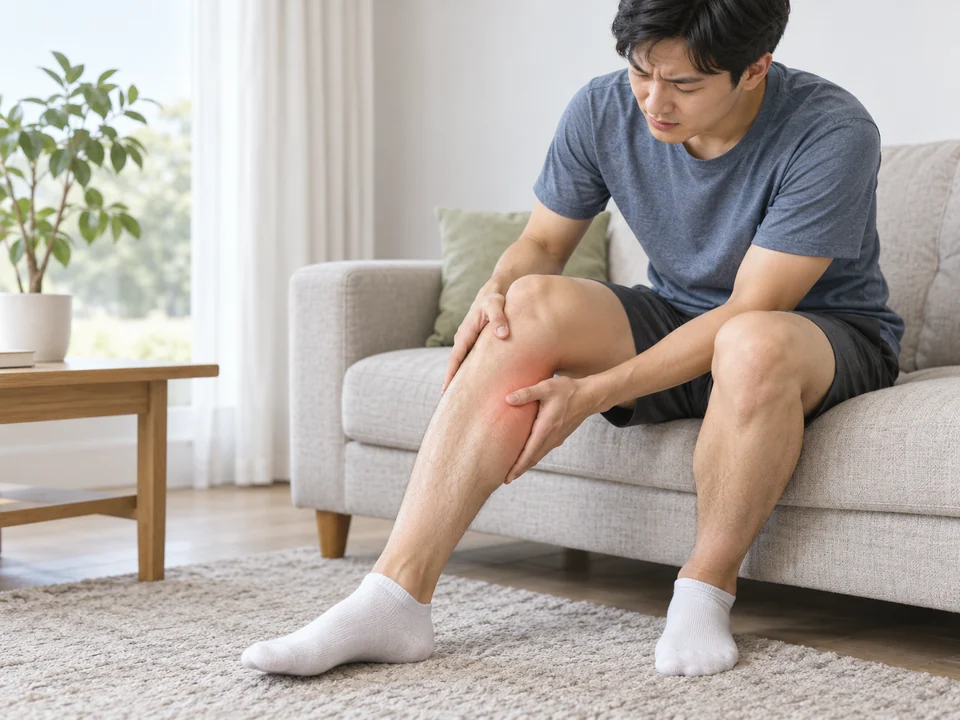 다리 | dari | Leg / bridge — 다리 아파요 = my leg hurts |
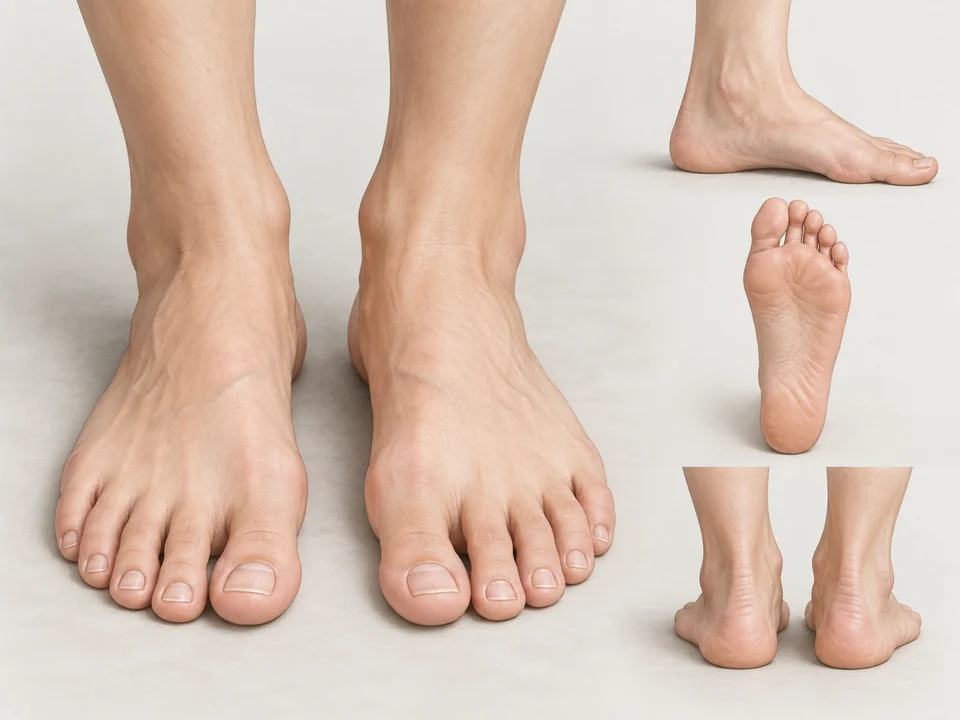 발 | bal | Foot |
| 심장 | simjang | Heart (the organ) — 마음 is 'heart' (emotions) |
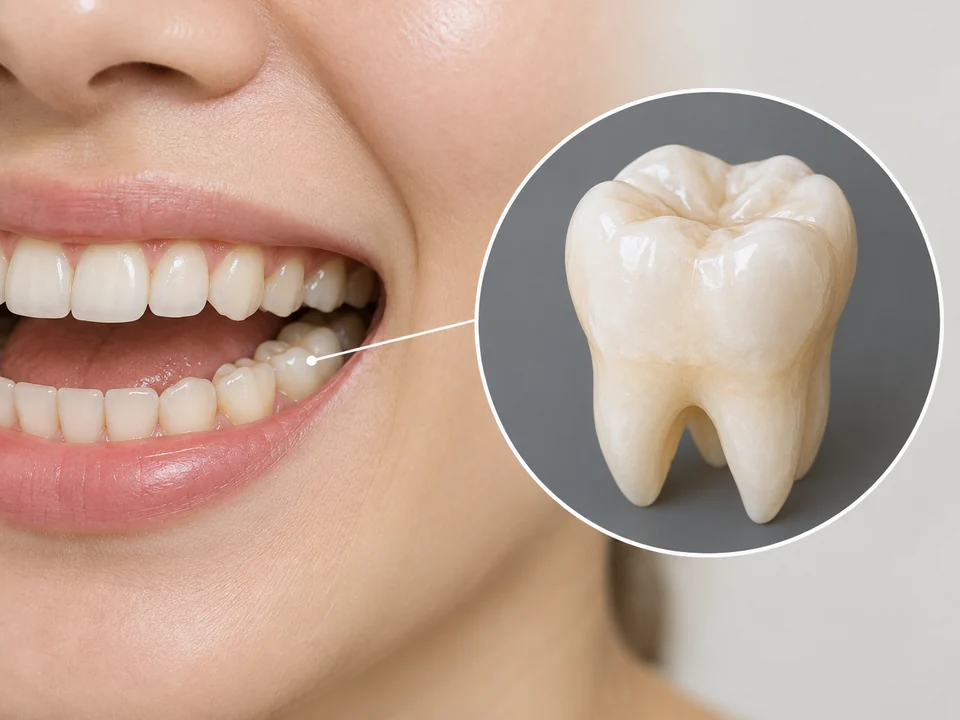 이 | i | Tooth — on its own 이 also means "this" or "two"; 치아 is the unambiguous formal/medical word |
Check your understanding
Travel 여행
Travel Korean 여행 한국어
Whether you're navigating Seoul's subway, checking into a hotel, or asking for directions, these travel words will carry you through a Korean trip. Korea is an incredibly visitor-friendly country — a little Korean goes a very long way.
Words and phrases
| Korean | Pronunciation | Meaning |
|---|---|---|
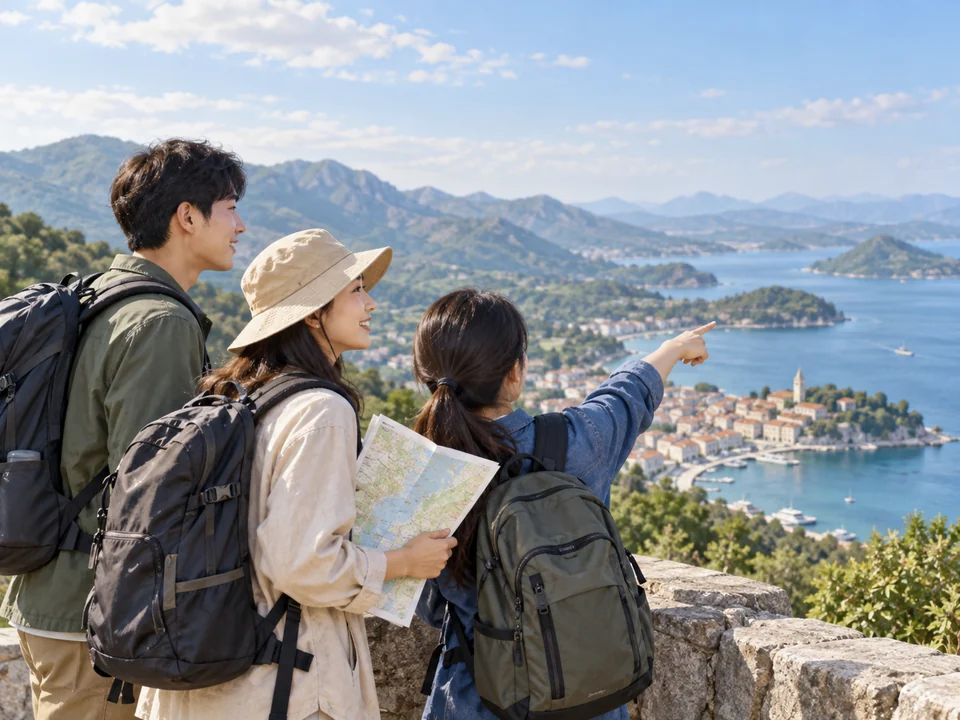 여행 | yeohaeng | Travel / trip |
 비행기 | bihaenggi | Airplane — 비행 (flight) + 기 (machine) |
| 호텔 | hotel | Hotel |
 여권 | yeogwon | Passport — the same 여 as in 여행 (travel) + 권 (certificate/ticket) |
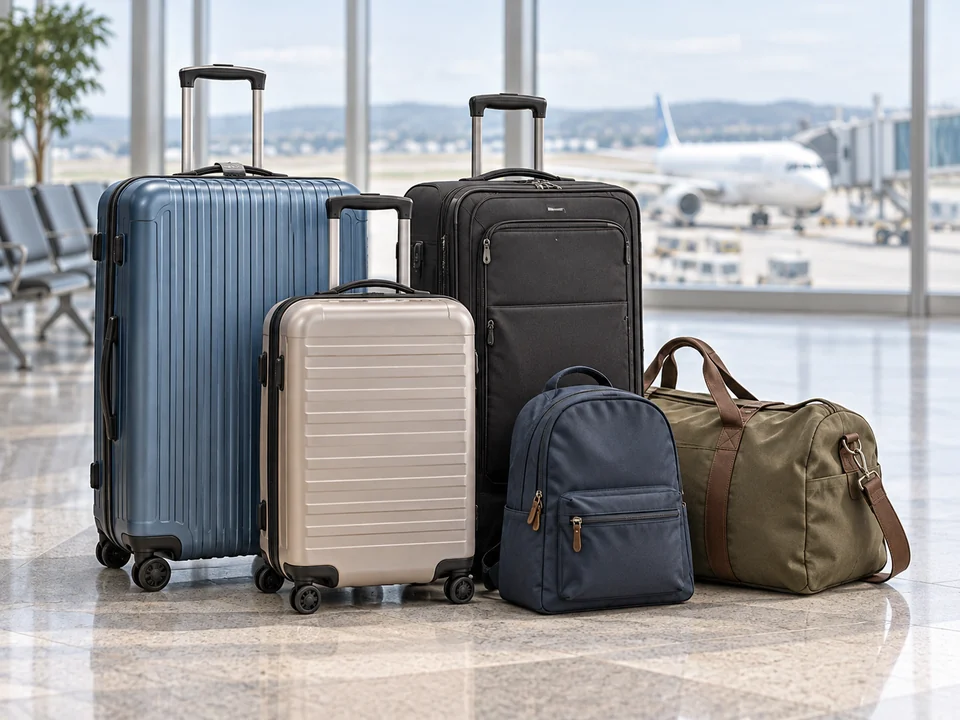 짐 | jim | Luggage / baggage |
 예약 | yeyak | Reservation / booking — 예약했어요 = I have a reservation |
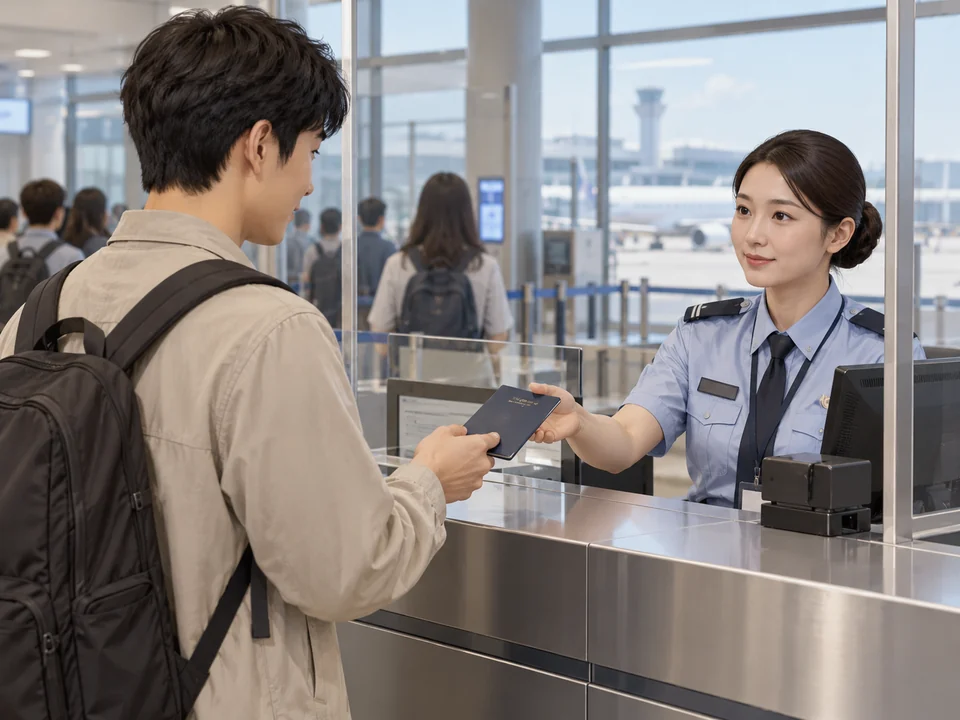 입국 | ipguk | Entry / immigration — 입국 심사 = immigration check |
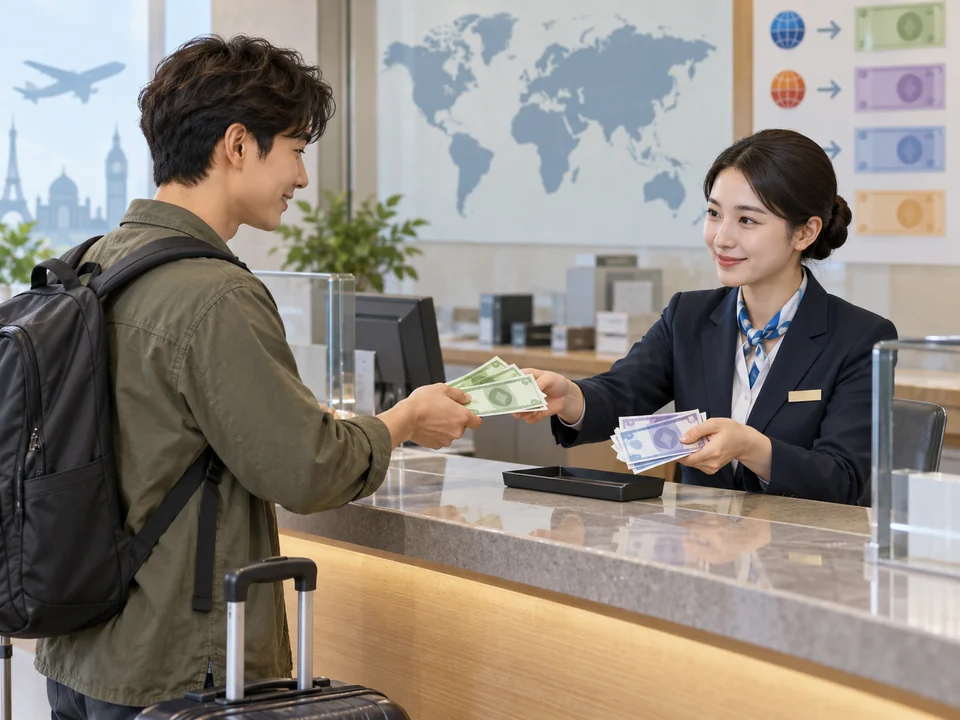 환전 | hwanjeon | Currency exchange — 환전 어디서 해요? = Where can I exchange money? |
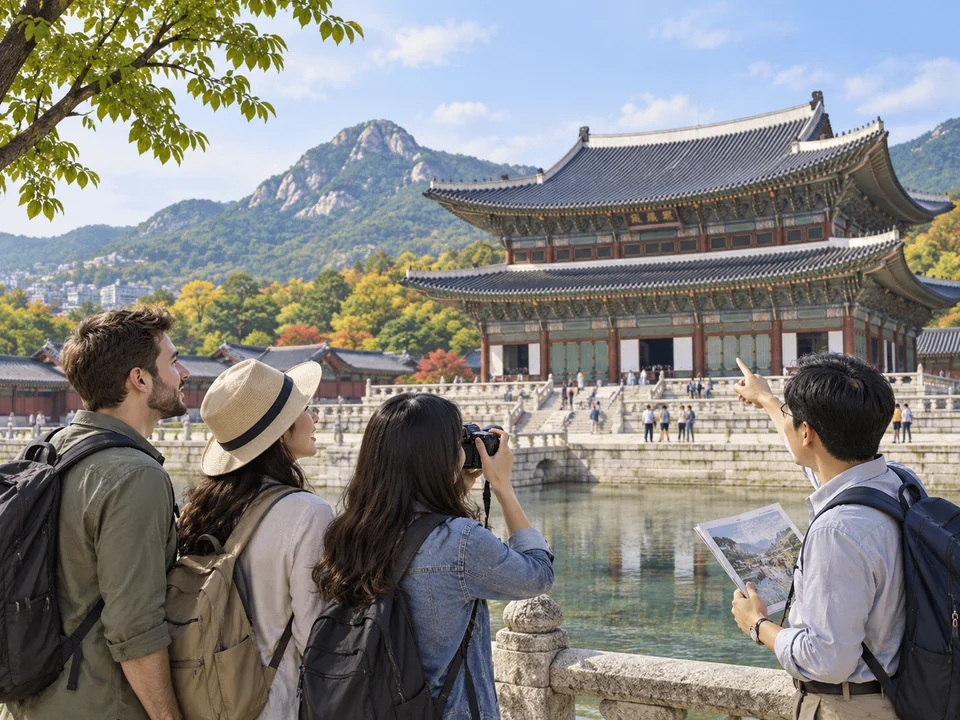 관광 | gwangwang | Sightseeing / tourism |
 지도 | jido | Map |
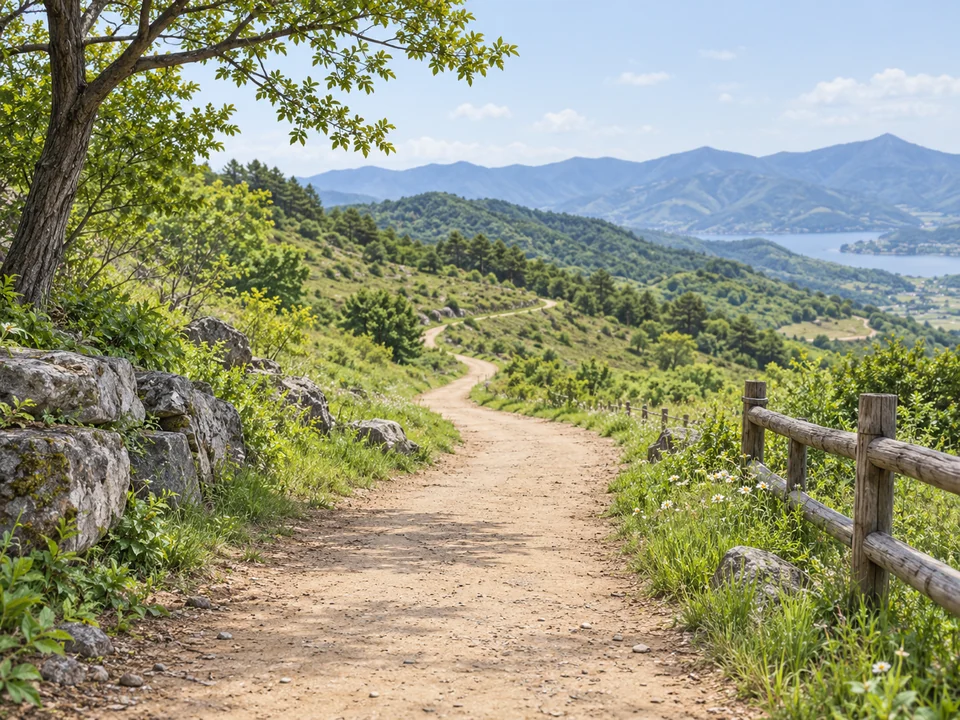 길 | gil | Road / path / way — 길을 잃었어요 = I'm lost |
| 오른쪽 | oreunjjok | Right side / right direction |
| 왼쪽 | oenjjok | Left side / left direction |
| 직진 | jikjin | Go straight ahead |
| 관광지 | gwangwangji | Tourist attraction / sightseeing spot |
Check your understanding
Shopping 쇼핑
Shopping in Korea 한국에서 쇼핑
Korea is a shopping paradise — from sprawling traditional markets to cutting-edge malls. Whether you're hunting for skincare, fashion, or electronics, these vocabulary words will power every shopping interaction.
Words and phrases
| Korean | Pronunciation | Meaning |
|---|---|---|
 쇼핑 | syoping | Shopping — from English 'shopping' |
| 가격 | gagyeok | Price — 가격이 얼마예요? = How much is the price? |
| 할인 | harin | Discount — 할인 있어요? = Is there a discount? |
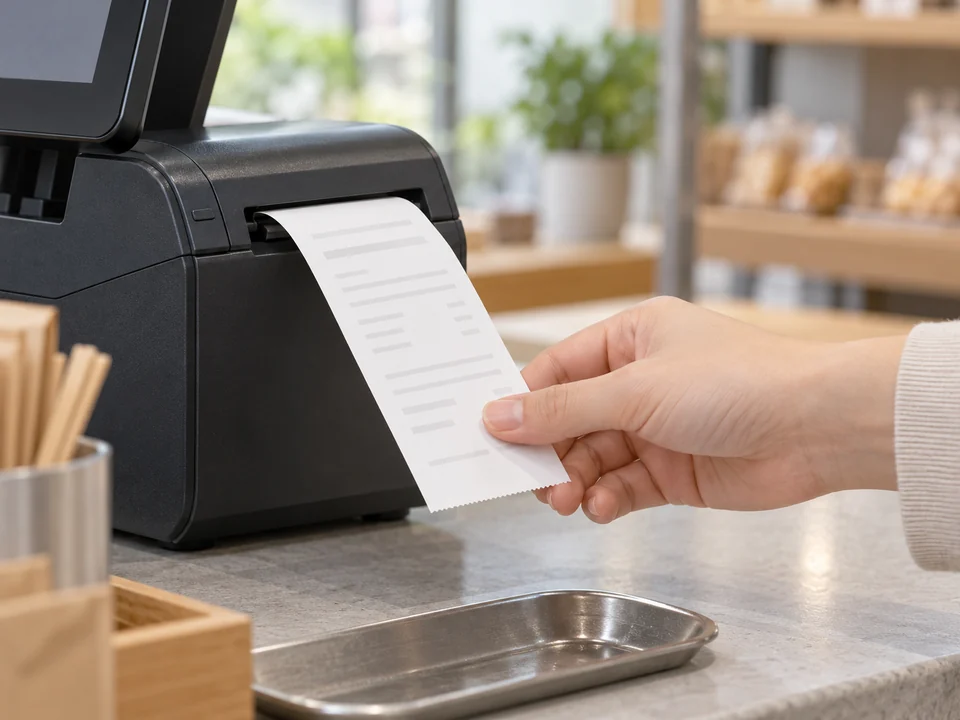 영수증 | yeongsujeung | Receipt |
 카드 | kadeu | Card — credit/debit card; Korea is extremely card-friendly |
| 현금 | hyeongeum | Cash — 현금으로 낼게요 = I'll pay in cash |
| 환불 | hwanbul | Refund — 환불 돼요? = Can I get a refund? |
| 교환 | gyohwan | Exchange (of goods) — 교환 돼요? = Can I exchange this? |
| 사이즈 | saijeu | Size — from English 'size' |
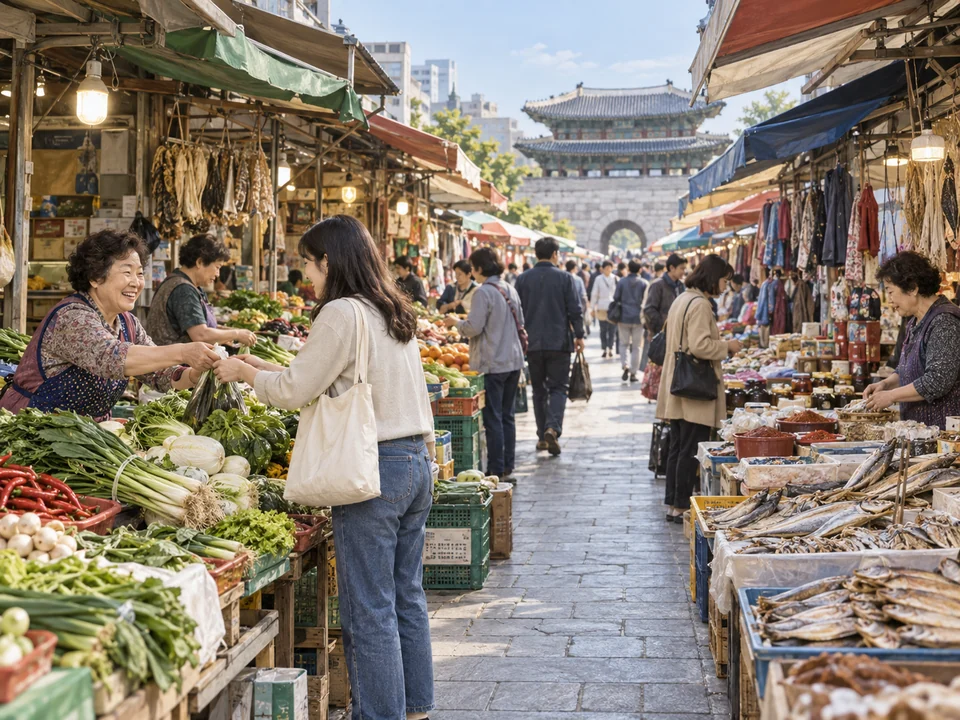 시장 | sijang | Traditional market — Namdaemun and Dongdaemun are famous examples |
 백화점 | baekhwajeom | Department store — literally 'hundred goods store' |
 면세점 | myeonsejeom | Duty-free shop — huge in Korean airports and tourist areas |
| 물건 | mulgeon | Item / product / thing |
 포장 | pojang | Packaging / gift wrap — 포장해 주세요 = Please gift-wrap it |
| 세일 | seil | Sale — from English 'sale'; also 할인 행사 |
Check your understanding
Weather 날씨
Korean Weather 한국의 날씨
Korea has four distinct seasons — a cold, dry winter; a warm, windy spring; a hot and humid monsoon summer; and a crisp, colorful autumn. Weather is one of the most common small-talk topics in Korean culture.
Words and phrases
| Korean | Pronunciation | Meaning |
|---|---|---|
| 날씨 | nalssi | Weather — 날씨 어때요? = How's the weather? |
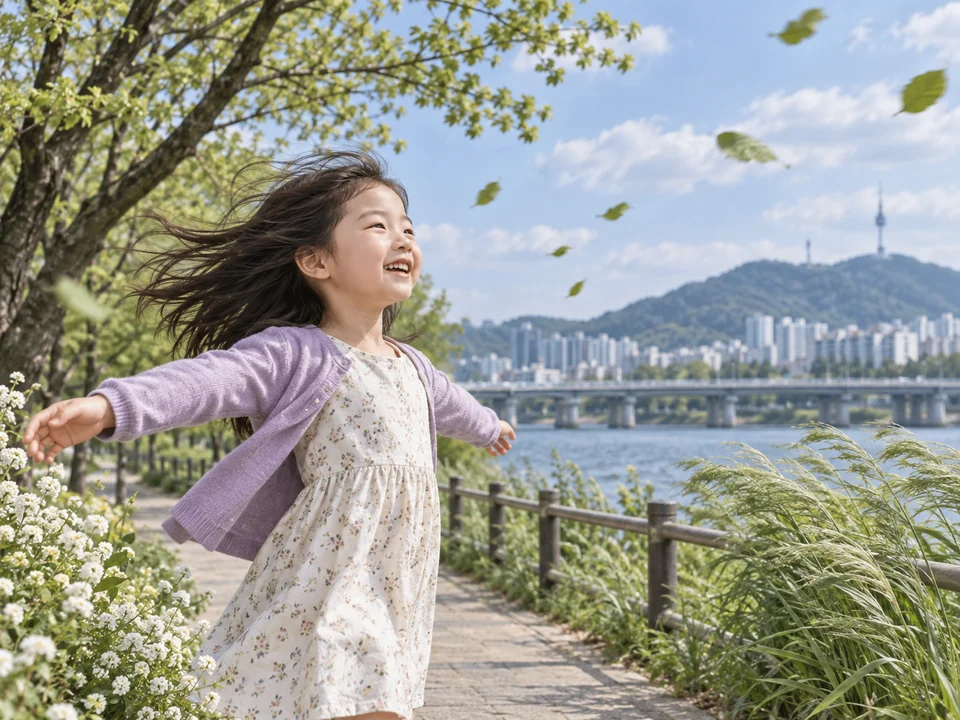 맑다 | makda | Clear / sunny — 날씨가 맑아요 = the weather is clear |
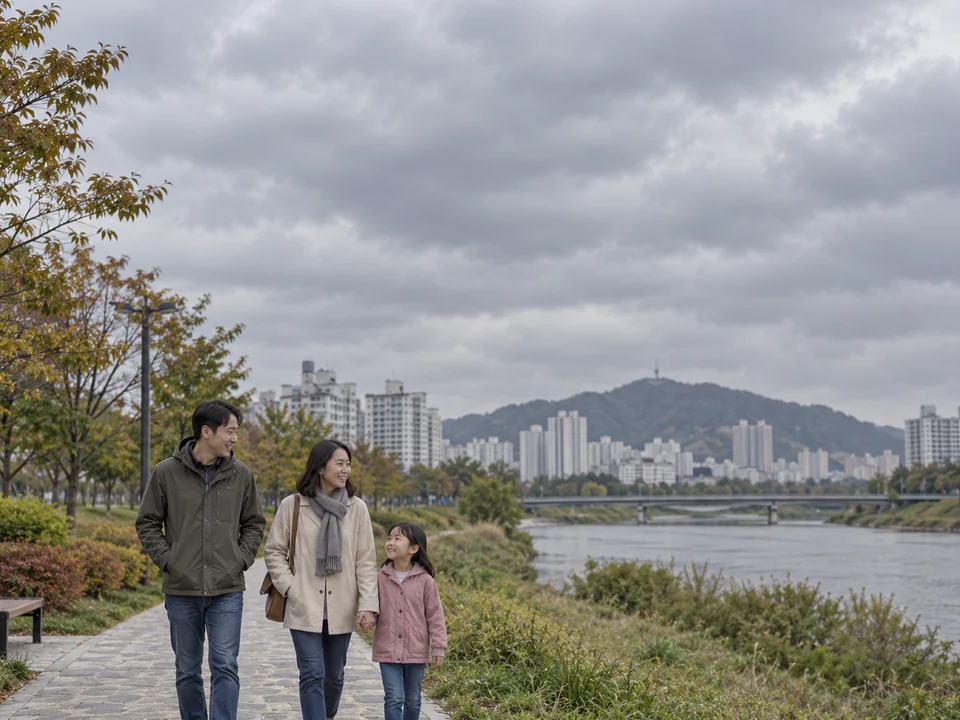 흐리다 | heurida | Cloudy / overcast |
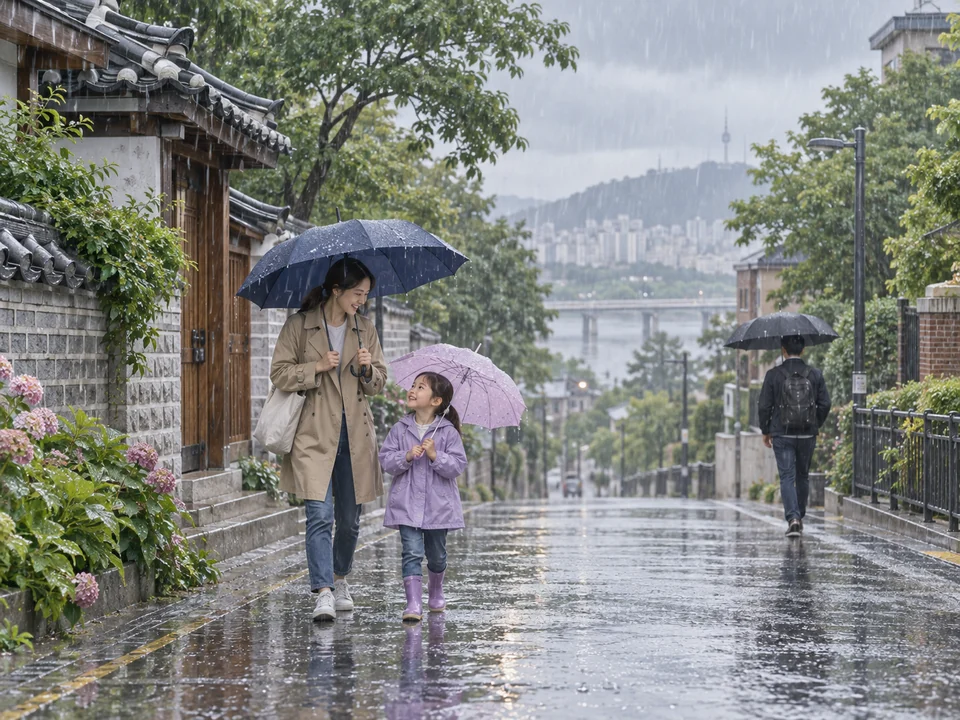 비 | bi | Rain — 비가 와요 = it's raining |
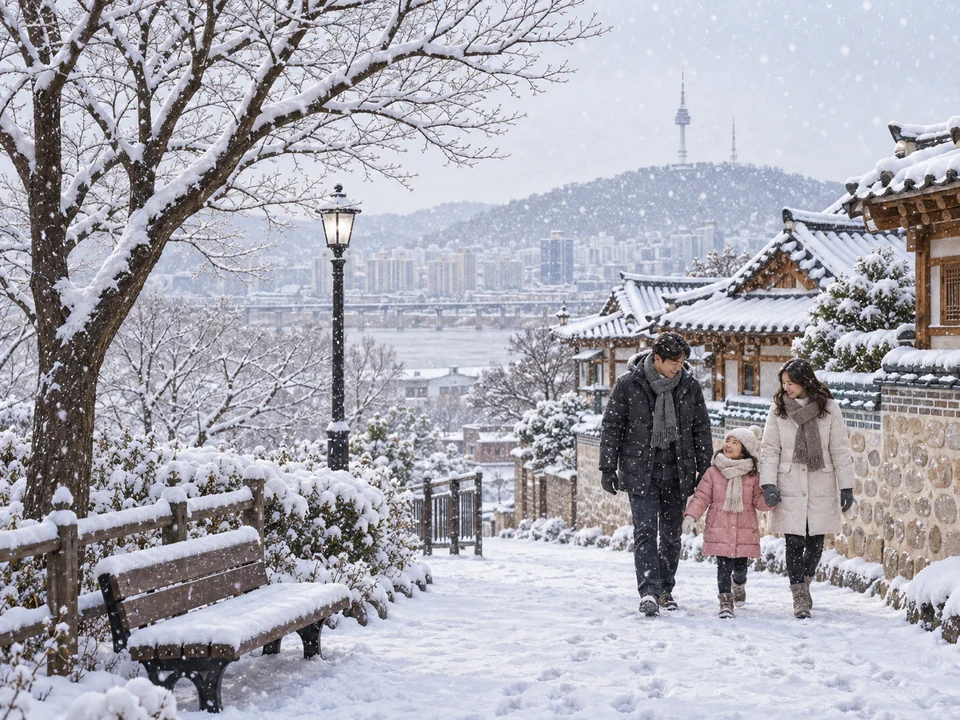 눈 | nun | Snow — 눈이 와요 = it's snowing |
 바람 | baram | Wind — 바람이 불어요 = the wind is blowing |
 더워요 | deowoyo | It's hot — 너무 더워요 = it's too hot |
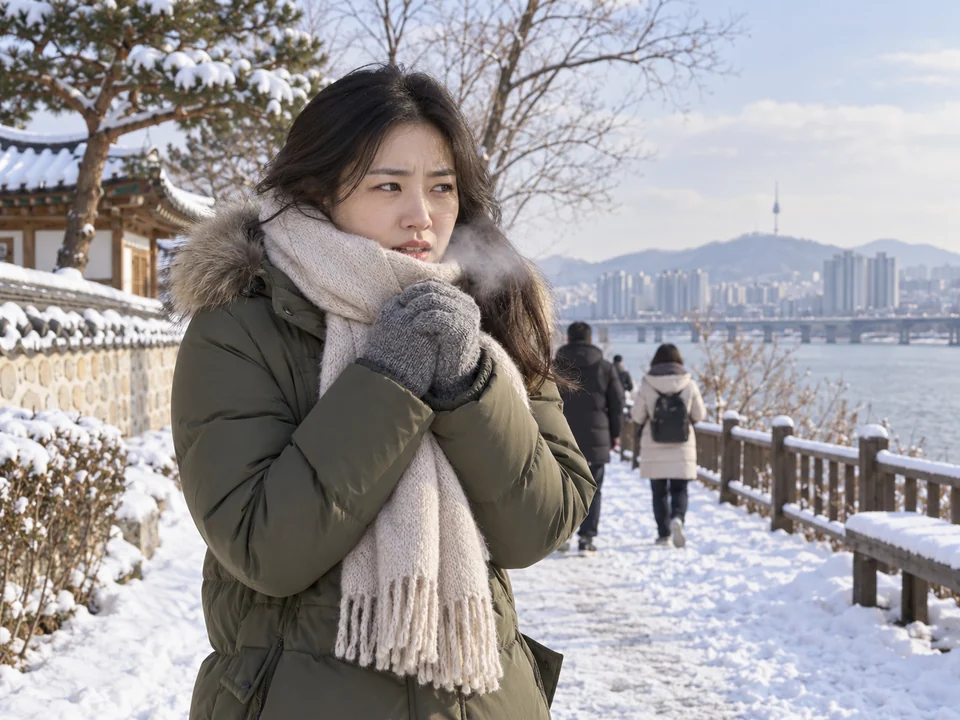 추워요 | chuwoyo | It's cold — 많이 추워요 = it's very cold |
 따뜻해요 | ttatteutaeyo | It's warm — pleasant, comfortable temperature |
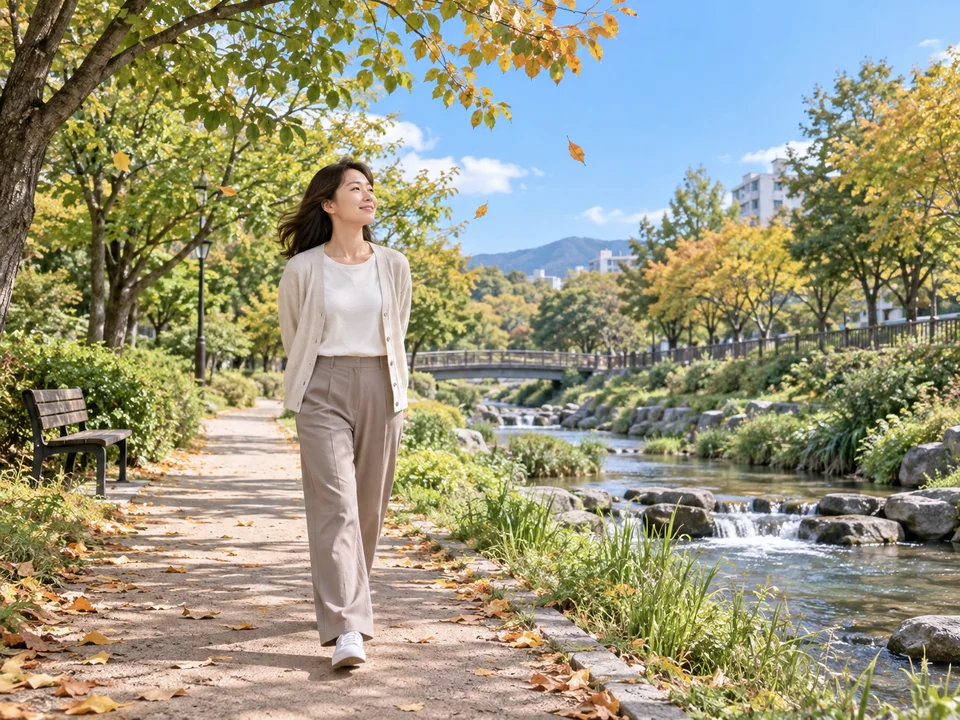 시원해요 | siwonhaeyo | It's cool / refreshing — pleasantly cool, like autumn air |
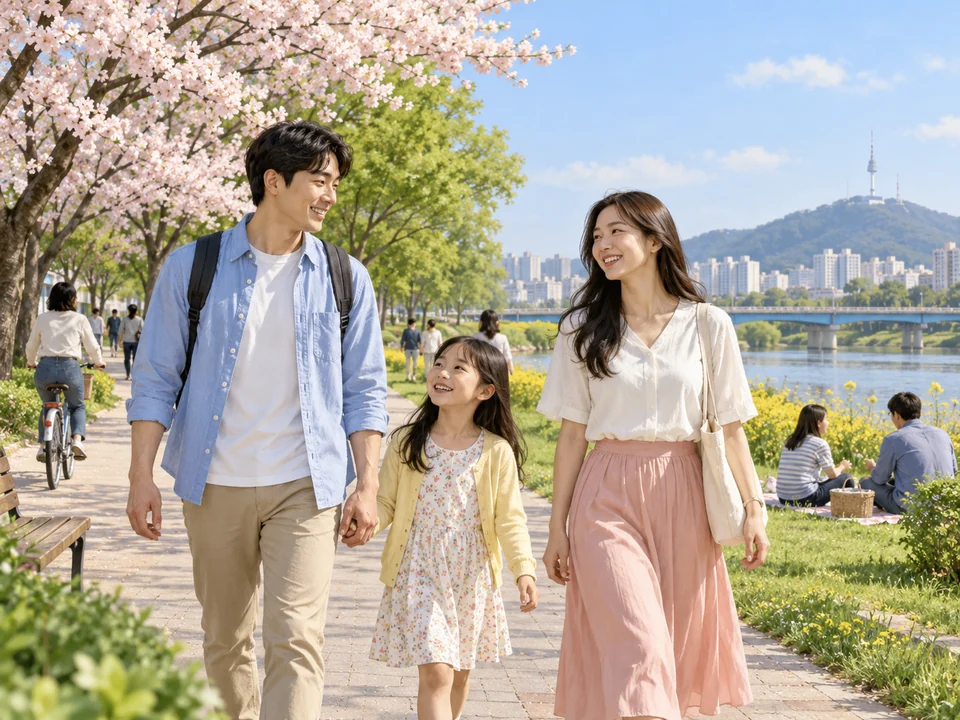 봄 | bom | Spring — famous for cherry blossoms (벚꽃) |
 여름 | yeoreum | Summer — hot and humid with the monsoon (장마) season |
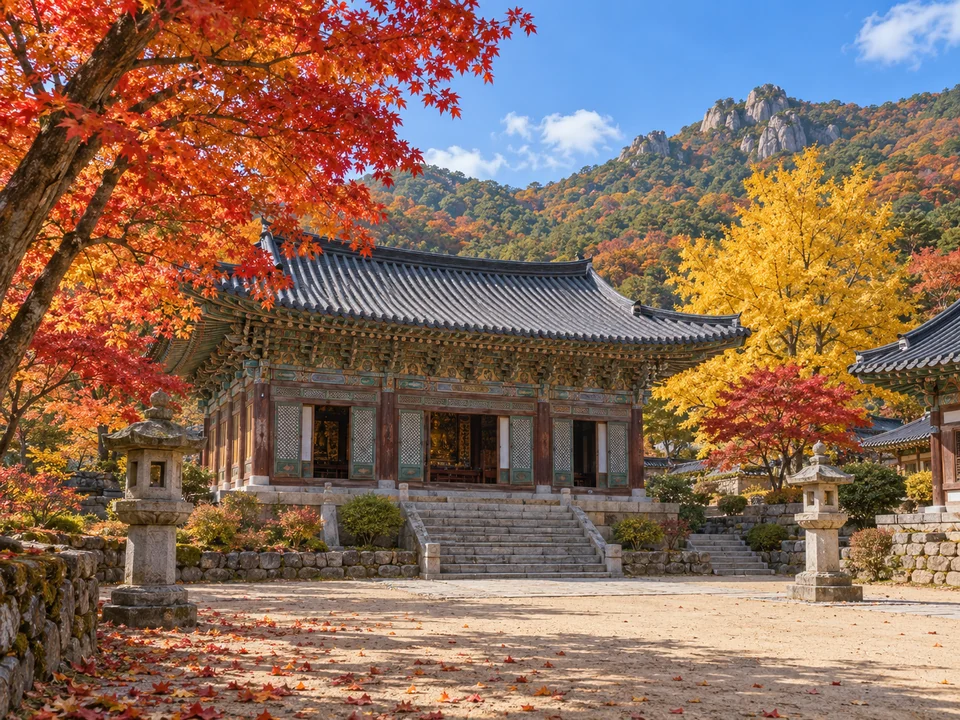 가을 | gaeul | Autumn / fall — crisp weather; stunning foliage at temples |
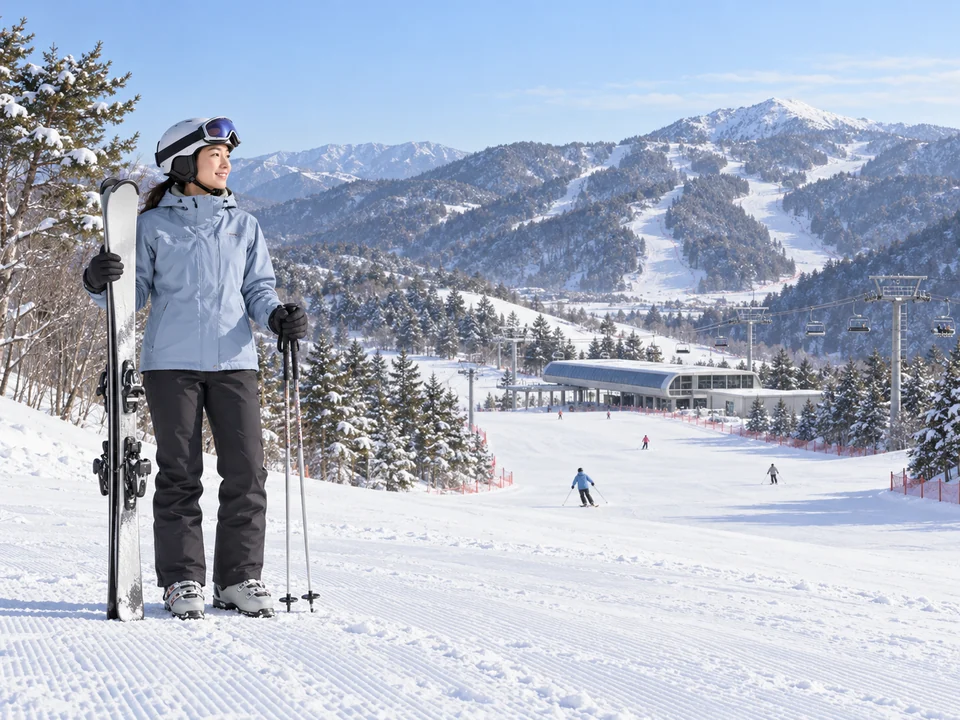 겨울 | gyeoul | Winter — cold and dry; ski resorts are popular |
| 온도 | ondo | Temperature — 온도가 몇 도예요? = What's the temperature? |
Check your understanding
Verbs 동사
Korean Verbs 동사
Korean verbs (동사) always come at the end of a sentence. The dictionary form ends in -다. To make the polite present tense, change -다 to -아요 or -어요 depending on the vowel in the final syllable. Example: 먹다 (to eat) → 먹어요 (I eat / eats).
Words and phrases
| Korean | Pronunciation | Meaning |
|---|---|---|
| 가다 | gada | To go — 가요 (polite present) |
| 오다 | oda | To come — 와요 (polite present) |
 먹다 | meokda | To eat — 먹어요 (polite present) |
 마시다 | masida | To drink — 마셔요 (polite present) |
 보다 | boda | To see / watch — 봐요 (polite present) |
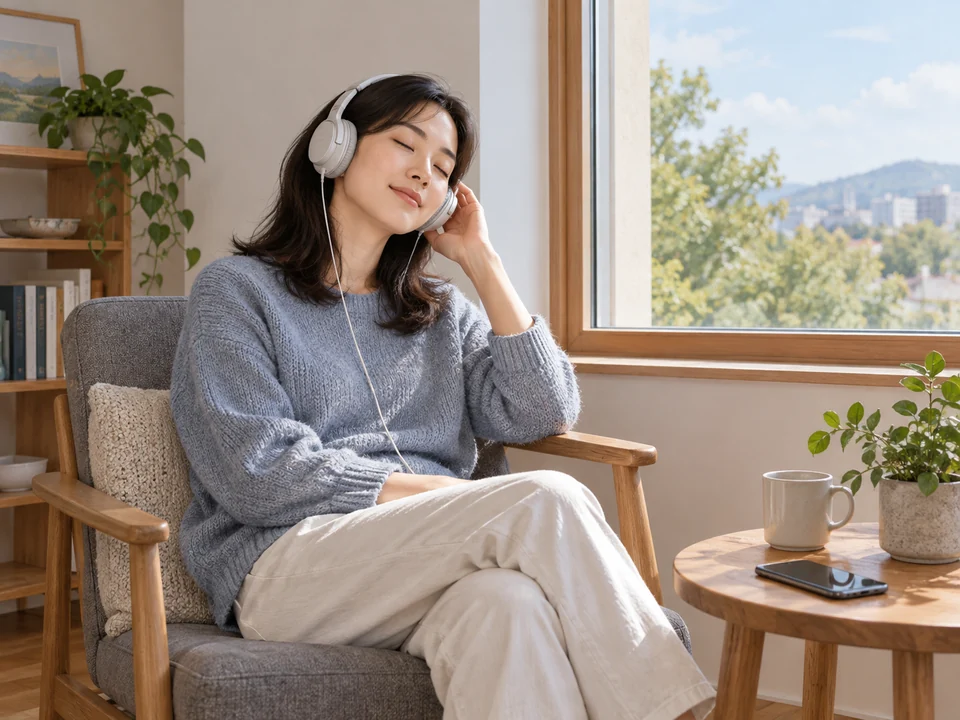 듣다 | deutda | To listen / hear — 들어요 (polite present, irregular) |
 말하다 | malhada | To speak / say — 말해요 (polite present) |
 읽다 | ikda | To read — 읽어요 (polite present) |
 쓰다 | sseuda | To write / to use — 써요 (polite present) |
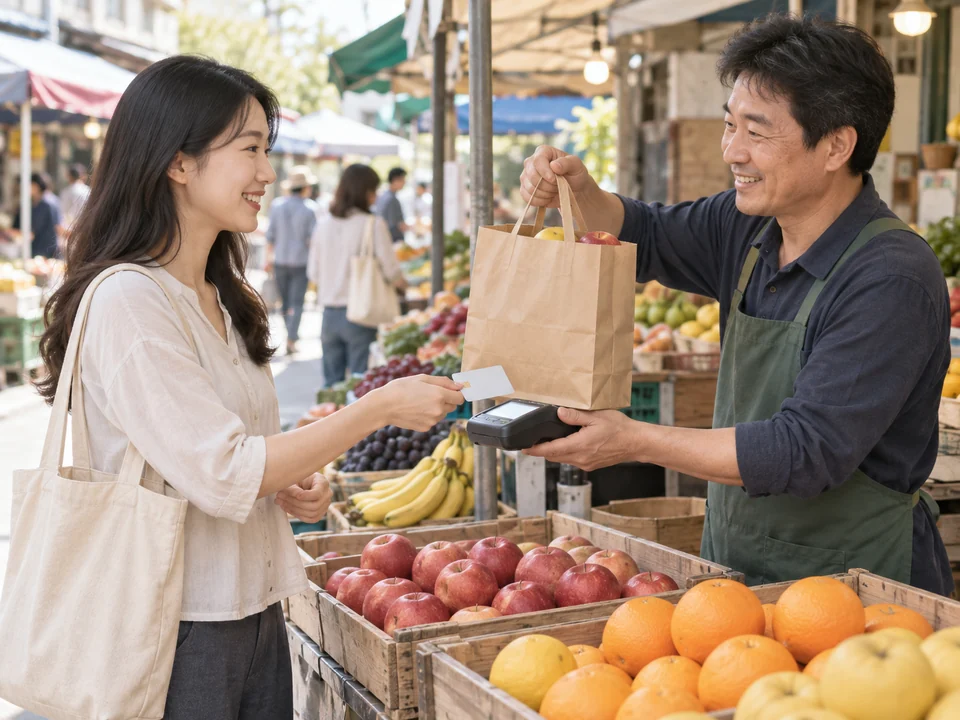 사다 | sada | To buy — 사요 (polite present) |
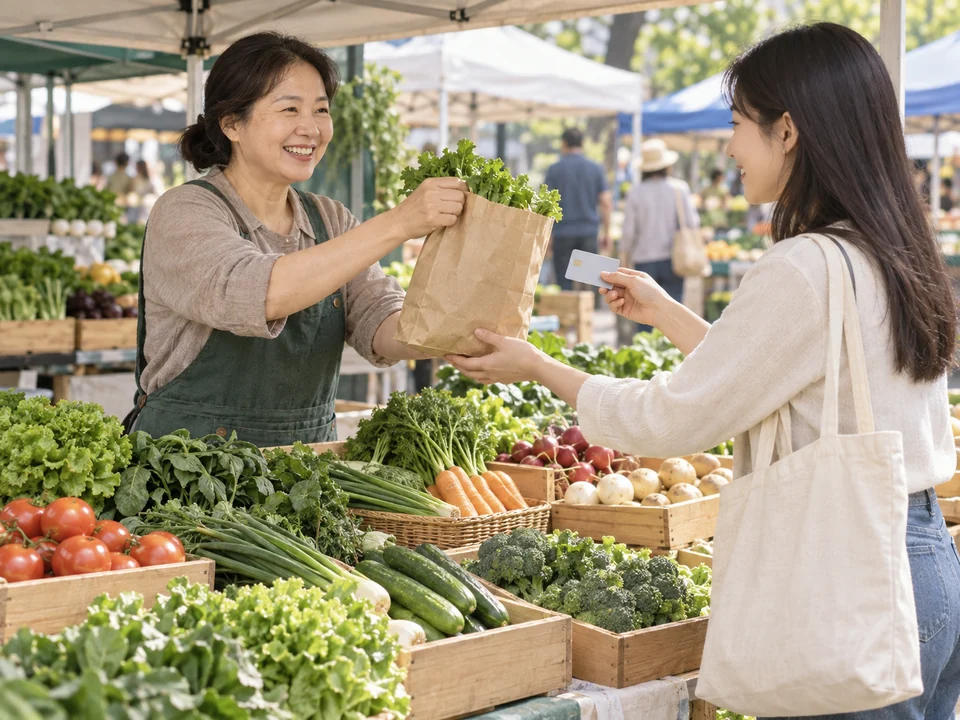 팔다 | palda | To sell — 팔아요 (polite present) |
 공부하다 | gongbuhada | To study — 공부해요 (polite present) |
 일하다 | ilhada | To work — 일해요 (polite present) |
 자다 | jada | To sleep — 자요 (polite present) |
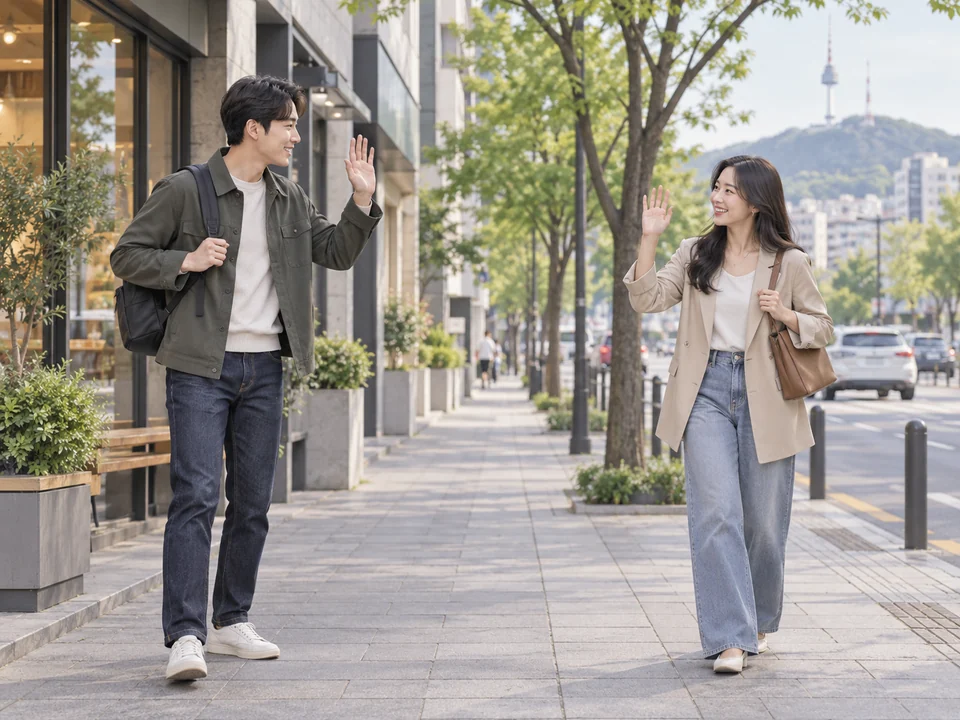 만나다 | mannada | To meet — 만나요 (polite present) |
| 좋아하다 | joahada | To like — 좋아해요 (polite present) |
Check your understanding
Adjectives 형용사
Korean Adjectives 형용사
Korean adjectives (형용사) behave differently from English ones — they conjugate like verbs. The dictionary form ends in -다. To use them as predicates, change -다 to -아요/어요. To modify a noun, change -다 to -(으)ㄴ. Example: 크다 (big) → 커요 (it's big) / 큰 집 (big house).
Words and phrases
| Korean | Pronunciation | Meaning |
|---|---|---|
| 크다 | keuda | Big / large — 커요 in speech |
| 작다 | jakda | Small — 작아요 in speech |
| 길다 | gilda | Long — 길어요 in speech |
| 짧다 | jjalpda | Short — 짧아요 in speech |
| 예쁘다 | yeppeuda | Pretty / beautiful — 예뻐요 in speech |
| 잘생겼다 | jal saenggyeotda | Handsome — literally 'was born well' |
| 비싸다 | bissada | Expensive — 비싸요 in speech |
| 싸다 | ssada | Cheap — 싸요 in speech; also means 'to pack' in other contexts |
| 새롭다 | saeropda | New — 새로워요 in speech |
| 재미있다 | jaemiitda | Interesting / fun — 재미있어요 in speech; 재미없다 = boring |
| 쉽다 | swipda | Easy — 쉬워요 in speech; 어렵다 = difficult |
| 빠르다 | ppareuda | Fast — 빨라요 in speech; 느리다 = slow |
| 좋다 | jota | Good / nice — 좋아요 in speech; also means 'I like' |
| 맛있다 | masitda | Delicious — 맛있어요 in speech; literally 'has taste' |
| 많다 | manta | Many / much / a lot — 많아요 in speech |
Check your understanding
Workplace 직장
Workplace Korean 직장 한국어
Korean workplace culture (직장 문화) is uniquely hierarchical — titles, seniority, and formal language matter enormously. Knowing the right words for meetings, introductions, and business settings will set you apart. Many professional Korean terms are Sino-Korean (한자어) in origin.
Words and phrases
| Korean | Pronunciation | Meaning |
|---|---|---|
 직장 | jikjang | Workplace / job |
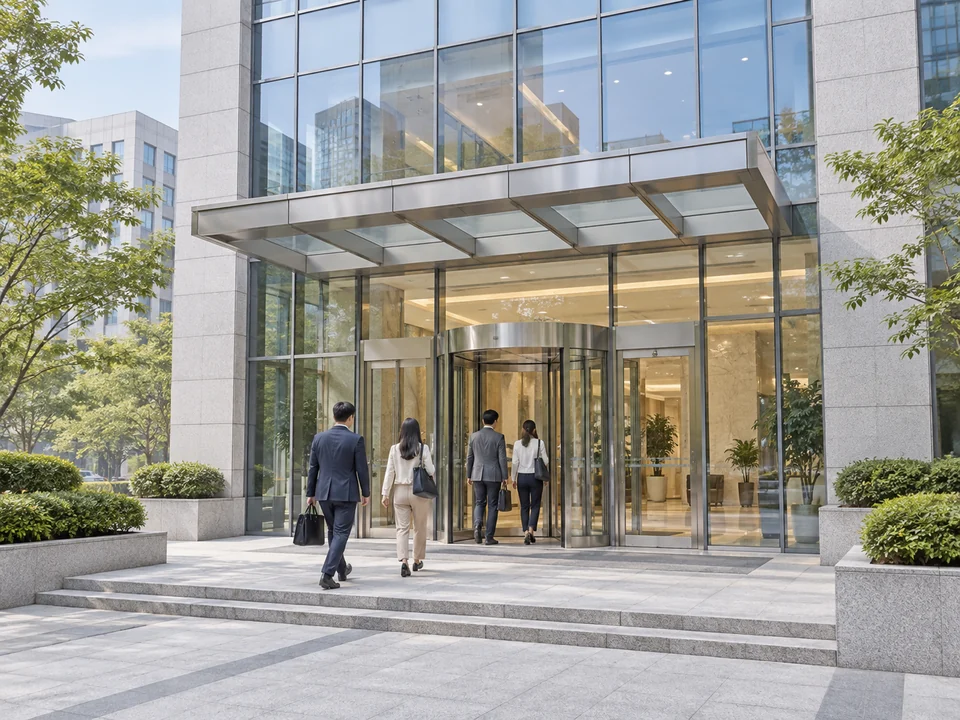 회사 | hoesa | Company / firm |
| 사장님 | sajangnim | CEO / company president — -님 is a respectful suffix |
| 부장님 | bujangnim | Department head / general manager |
 동료 | dongnyo | Colleague / co-worker |
 회의 | hoeui | Meeting — 회의가 있어요 = I have a meeting |
 보고서 | bogoseo | Report — 보고서를 쓰다 = to write a report |
 이메일 | imeil | Email — from English |
| 마감 | magam | Deadline — 마감이 언제예요? = When is the deadline? |
| 월급 | wolgeup | Monthly salary — 월 (month) + 급 (pay) |
 야근 | yageun | Overtime / working late — a well-known part of Korean work culture |
 휴가 | hyuga | Vacation / leave — 휴가를 내다 = to take a day off |
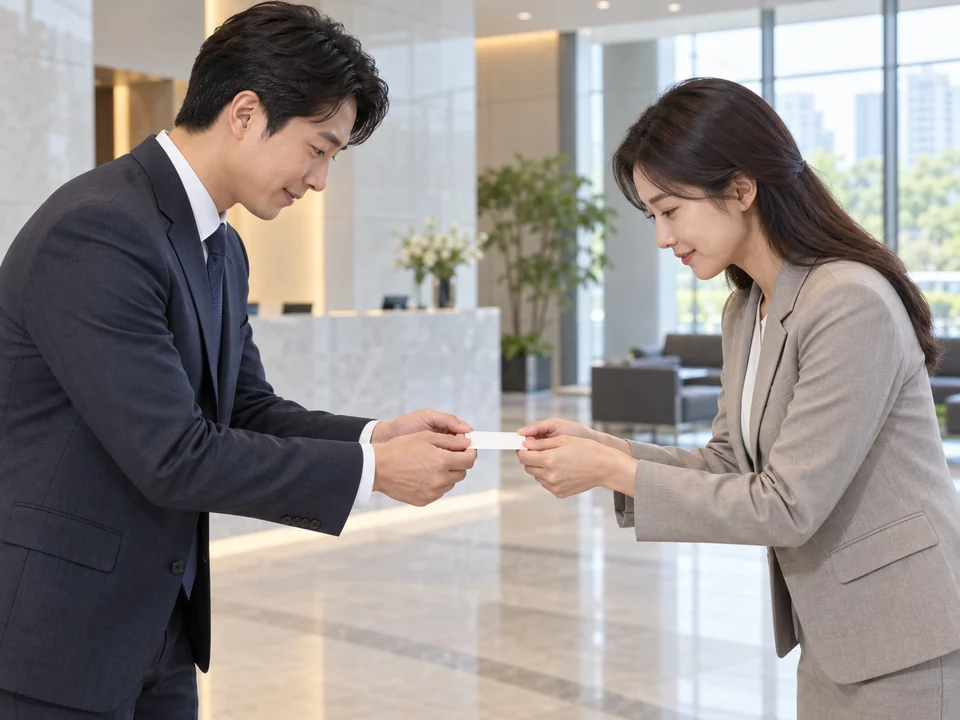 명함 | myeongham | Business card — exchanged at first meetings with both hands |
| 취직 | chwijik | Getting a job / employment — 취직했어요 = I got a job |
 발표 | balpyo | Presentation / announcement |
Check your understanding
Health 건강
Health in Korean 건강
Health vocabulary is critical for any traveler or resident. In Korea, the public healthcare system is excellent and affordable. Knowing these words will help you at clinics, pharmacies, and hospitals. The key phrase to remember: 아파요 (I'm sick / it hurts).
Words and phrases
| Korean | Pronunciation | Meaning |
|---|---|---|
| 건강 | geongang | Health — 건강해요 = I'm healthy |
| 아프다 | apeuda | To be sick / to hurt — 아파요 in speech |
| 의사 | uisa | Doctor — 의사 선생님 = doctor (respectful address) |
| 간호사 | ganhosa | Nurse |
| 약 | yak | Medicine / drug — 약을 먹다 = to take medicine |
| 처방전 | cheobangjeon | Prescription — needed for certain medications |
| 열 | yeol | Fever — 열이 나요 = I have a fever |
| 기침 | gichim | Cough — 기침이 나요 = I'm coughing |
| 두통 | dutong | Headache — 두통이 있어요 = I have a headache |
| 소화불량 | sohwa bullyang | Indigestion — very common complaint |
| 알레르기 | allereugi | Allergy — from German Allergie |
| 보험 | boheom | Insurance — 건강 보험 = health insurance |
| 수술 | susul | Surgery / operation |
| 진찰 | jinchal | Medical examination / consultation |
| 응급실 | eunggeupssil | Emergency room — 응급 = emergency |
Check your understanding
Media & Entertainment 미디어와 엔터테인먼트
Korean Media & Entertainment 한국 미디어와 엔터테인먼트
The Korean Wave (한류, Hallyu) has made Korean media a global phenomenon. K-pop, K-drama, and Korean films are enjoyed in every country. Understanding media vocabulary will help you engage more deeply with the content you love and discuss it with Korean fans.
Words and phrases
| Korean | Pronunciation | Meaning |
|---|---|---|
| 드라마 | deurama | Drama / TV series — from English 'drama' |
 영화 | yeonghwa | Movie / film |
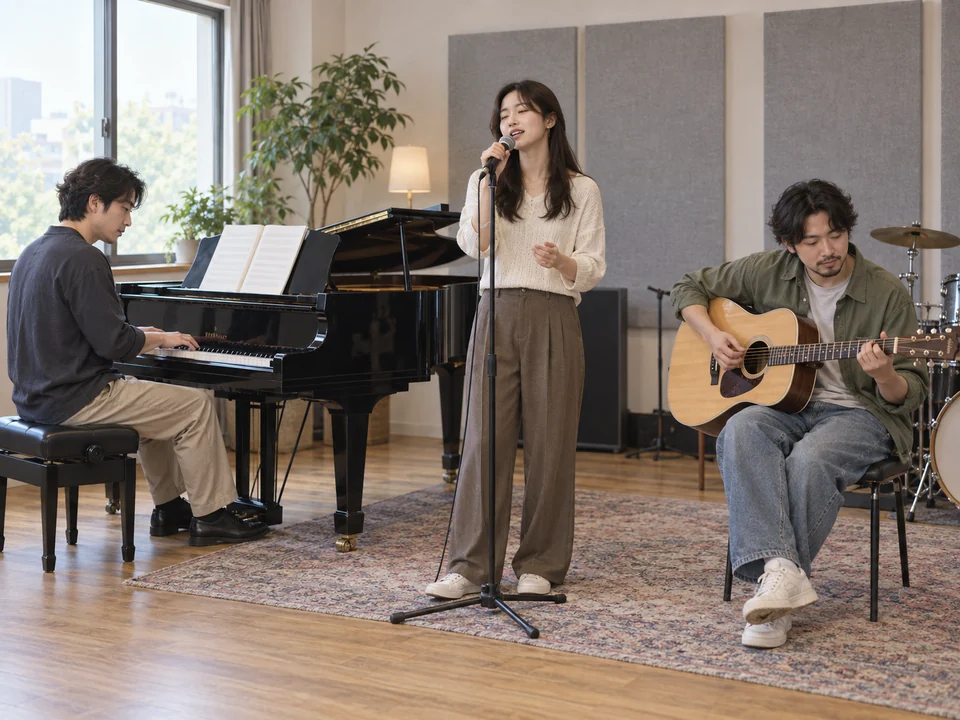 음악 | eumak | Music |
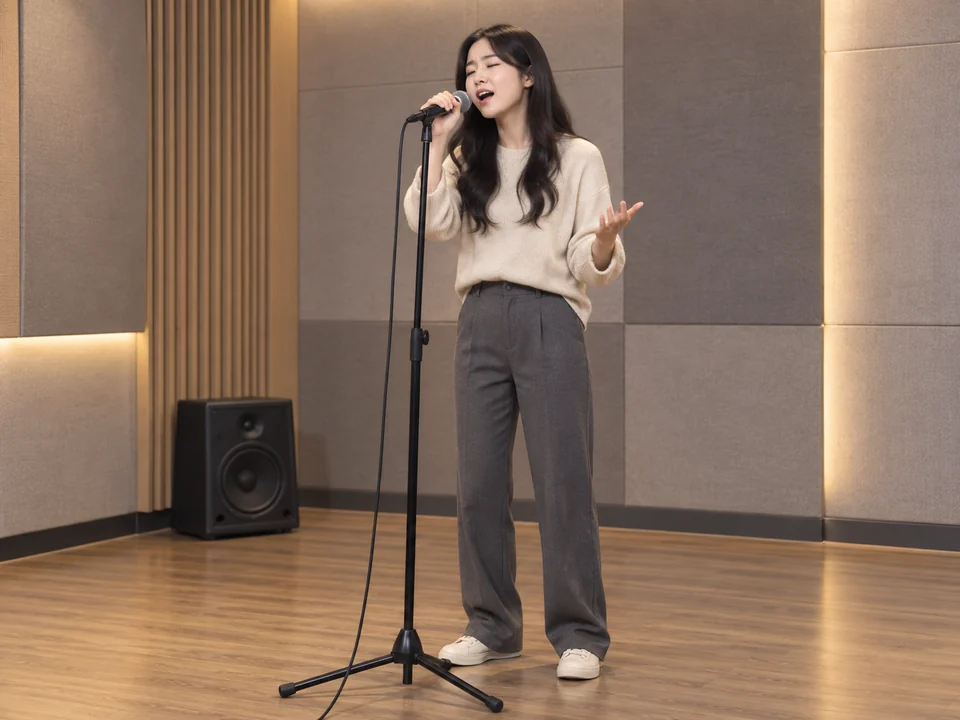 가수 | gasu | Singer — 가수 is used for both solo artists and idol group members |
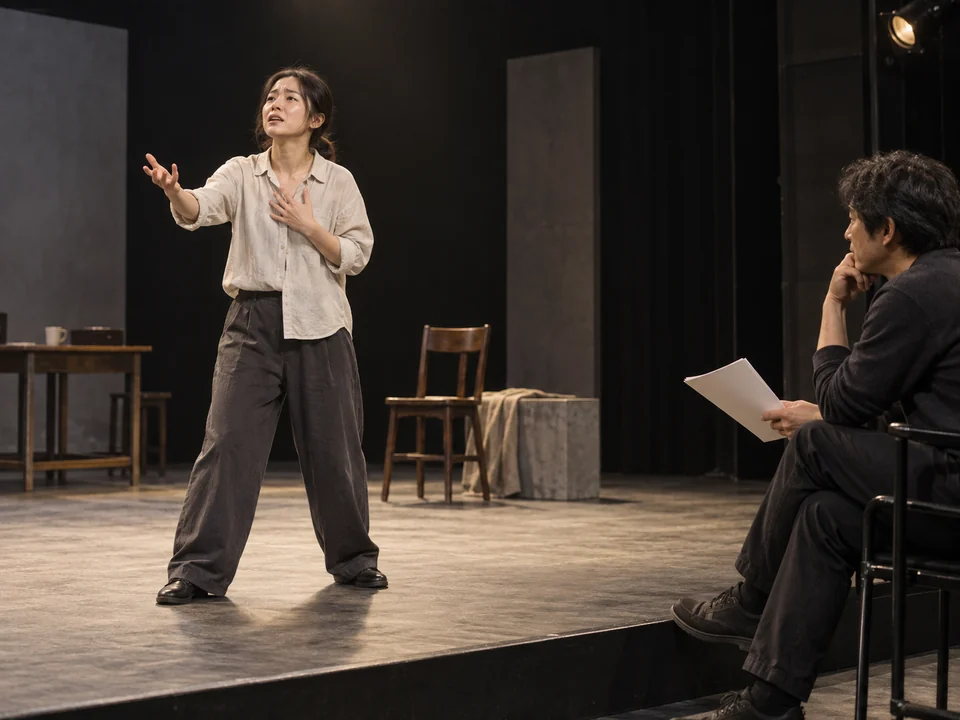 배우 | baeu | Actor / actress |
| 아이돌 | aidol | Idol — K-pop idol groups are a defining feature of Korean pop culture |
| 팬 | paen | Fan — from English; 팬클럽 = fan club |
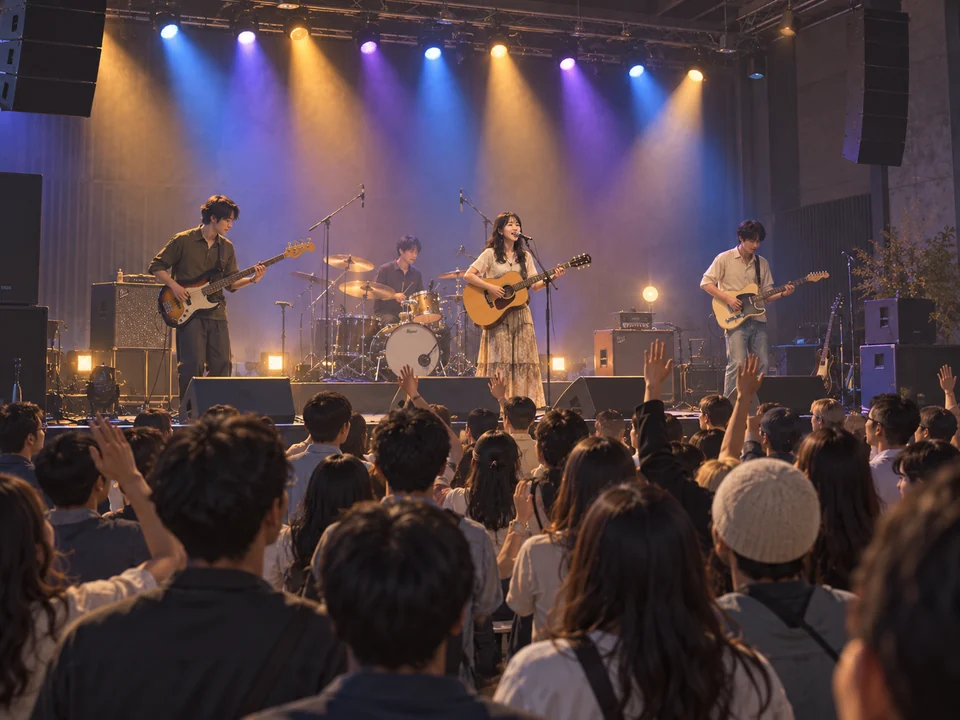 콘서트 | konseuteu | Concert — from English 'concert' |
| 한류 | hallyu | Korean Wave (Hallyu) — the global spread of Korean pop culture |
| 유튜브 | yutubeu | YouTube — from English; 유튜버 = YouTuber |
| 스트리밍 | seuteuriming | Streaming — from English 'streaming' |
| 소셜미디어 | sosyeol midieo | Social media — from English |
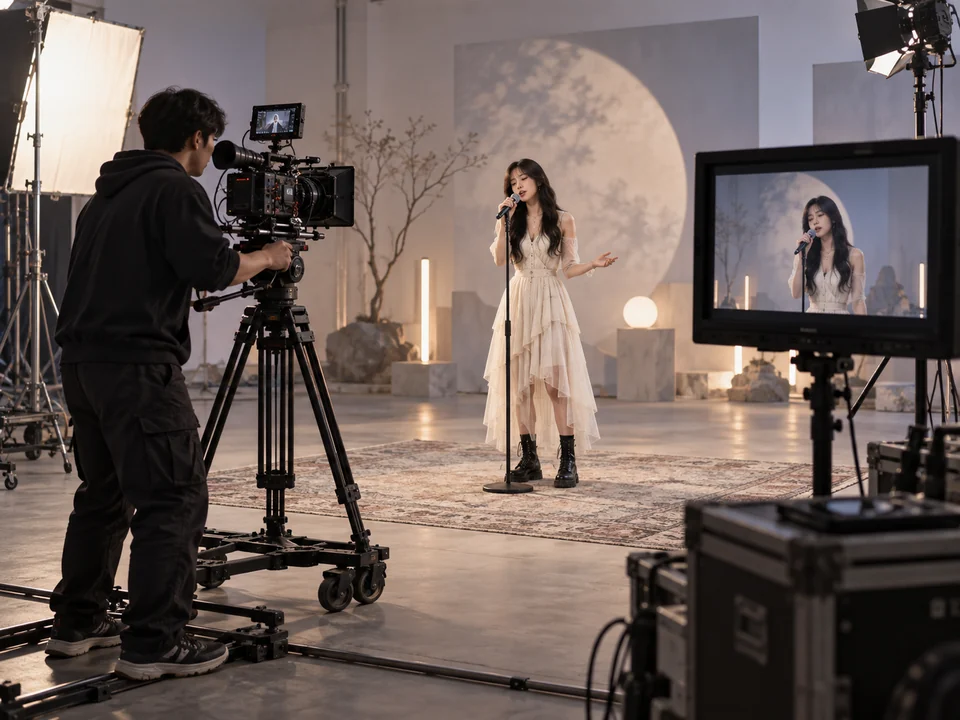 뮤직비디오 | myujik bidio | Music video — MV is the common abbreviation |
| 예능 | yeneung | Variety show / entertainment program — a hugely popular genre in Korea |
 오디션 | odisyeon | Audition — from English; 오디션 프로그램 = audition reality show |
Check your understanding
Proverbs 속담
Korean Proverbs (속담) 한국 속담
Korean proverbs (속담) offer a window into the values, wisdom, and humor of Korean culture. These sayings have been passed down for centuries and are still used in everyday conversation. Understanding them will make you sound like a native — and reveal the soul of the language.
가는 말이 고와야 오는 말이 곱다
Meaning: If your words going out are kind, the words coming back will be kind. English equivalent: 'You reap what you sow.'
- 가는 말 = words going out / what you say
- 오는 말 = words coming back / what you receive
- 곱다 = to be beautiful / kind (speech)
- Lesson: treat others as you want to be treated
호랑이도 제 말 하면 온다
Meaning: Even a tiger will appear if you talk about it. English equivalent: 'Speak of the devil and he shall appear.'
- 호랑이 = tiger (the feared animal in Korean folklore)
- 제 말 하면 = if you talk about it
- 온다 = comes / appears
- Used when someone appears right after you mention their name
백지장도 맞들면 낫다
Meaning: Even a sheet of white paper is better lifted together. English equivalent: 'Two heads are better than one' / 'Many hands make light work.'
- 백지장 = sheet of white paper
- 맞들면 = if you lift it together
- 낫다 = to be better
- Emphasizes collaboration over individual effort
천 리 길도 한 걸음부터
Meaning: Even a journey of a thousand li (Korean miles) begins with a single step. Korean equivalent of the famous Lao Tzu saying.
- 천 리 = one thousand li (Korean unit of distance, ~400 km)
- 한 걸음 = one step
- 부터 = starting from
- Used to encourage someone starting a big goal
낮말은 새가 듣고 밤말은 쥐가 듣는다
Meaning: Birds hear your day words; mice hear your night words. Always speak carefully — there are no truly secret conversations.
- 낮말 = day words / things said in daytime
- 밤말 = night words / things said at night
- 새 = bird | 쥐 = mouse/rat
- Reminder: be careful what you say about others
고생 끝에 낙이 온다
Meaning: After hardship comes joy. English equivalent: 'Every cloud has a silver lining' / 'No pain, no gain.'
- 고생 = hardship / suffering
- 끝에 = at the end of
- 낙 = joy / pleasure / reward
- A very common expression of encouragement in Korean
빈 수레가 요란하다
Meaning: An empty cart makes the most noise. English equivalent: 'Empty vessels make the most noise' / 'All bark, no bite.'
- 빈 = empty
- 수레 = cart / wagon
- 요란하다 = to be noisy / loud
- Said about boastful or loud people who lack substance
세 살 버릇 여든까지 간다
Meaning: Habits learned at age three last until eighty. English equivalent: 'Old habits die hard' / 'As the twig is bent, so grows the tree.'
- 세 살 = three years old
- 버릇 = habit
- 여든 = eighty
- 까지 = until; 간다 = goes
- Often said to explain why upbringing matters
원숭이도 나무에서 떨어진다
Meaning: Even a monkey falls from a tree. English equivalent: 'Nobody's perfect' / 'Even the best make mistakes.'
- 원숭이 = monkey
- 나무에서 = from a tree
- 떨어진다 = falls
- Said to comfort someone who made a mistake at something they're good at
급할수록 돌아가라
Meaning: The more urgent it is, the more you should take the roundabout way. English equivalent: 'More haste, less speed' / 'Haste makes waste.'
- 급할수록 = the more urgent it is
- 돌아가라 = go around / take the longer route
- The wisdom: slow down when under pressure
- Used when someone is rushing and making errors
아는 길도 물어가라
Meaning: Even on a path you know, ask for directions. English equivalent: 'Better safe than sorry' / 'There's no harm in asking.'
- 아는 길 = a path you know
- 물어가라 = ask (your way)
- Encourages checking even when confident
- Values humility and double-checking
하늘이 무너져도 솟아날 구멍이 있다
Meaning: Even if the sky collapses, there will be a hole to escape through. English equivalent: 'Every cloud has a silver lining' / 'Where there's a will, there's a way.'
- 하늘이 무너져도 = even if the sky collapses
- 솟아날 = that you can escape through
- 구멍 = hole / opening
- Strong expression of hope in the worst circumstances
Check your understanding
Academic 학업
Academic Korean 학업 한국어
Korea places enormous emphasis on education — 교육열 (educational fever) drives students to study intensely. University entrance exams (수능) are a national event. Whether you are a student, teacher, or lifelong learner, this vocabulary will help you navigate academic settings in Korean.
Words and phrases
| Korean | Pronunciation | Meaning |
|---|---|---|
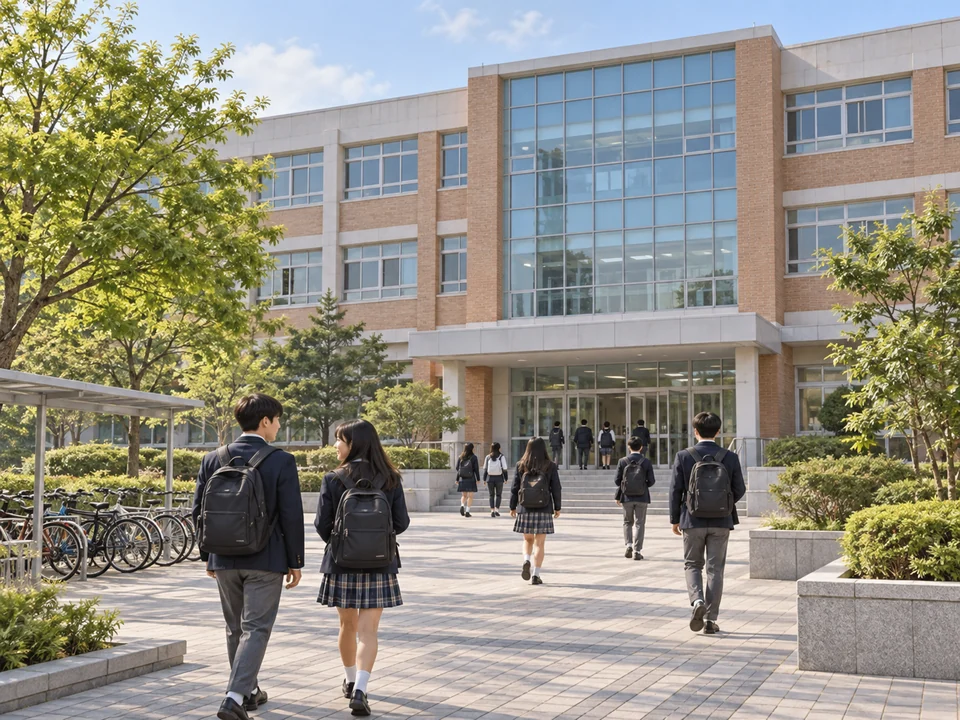 학교 | hakgyo | School |
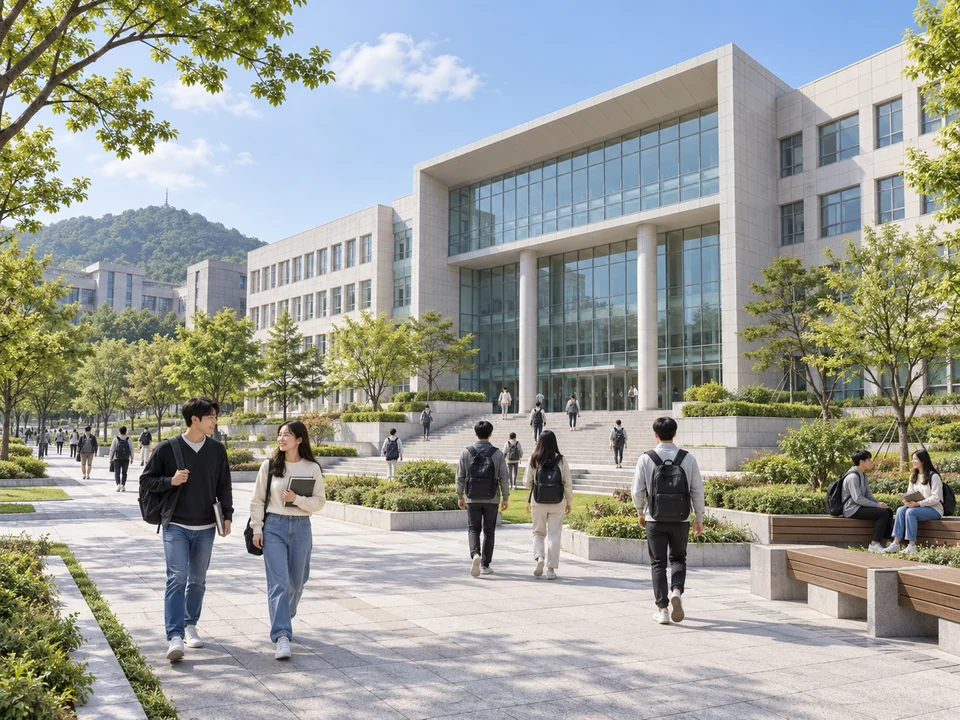 대학교 | daehakgyo | University — 대학 is the shorter form |
 선생님 | seonsaengnim | Teacher — -님 is the respectful suffix; never use without it |
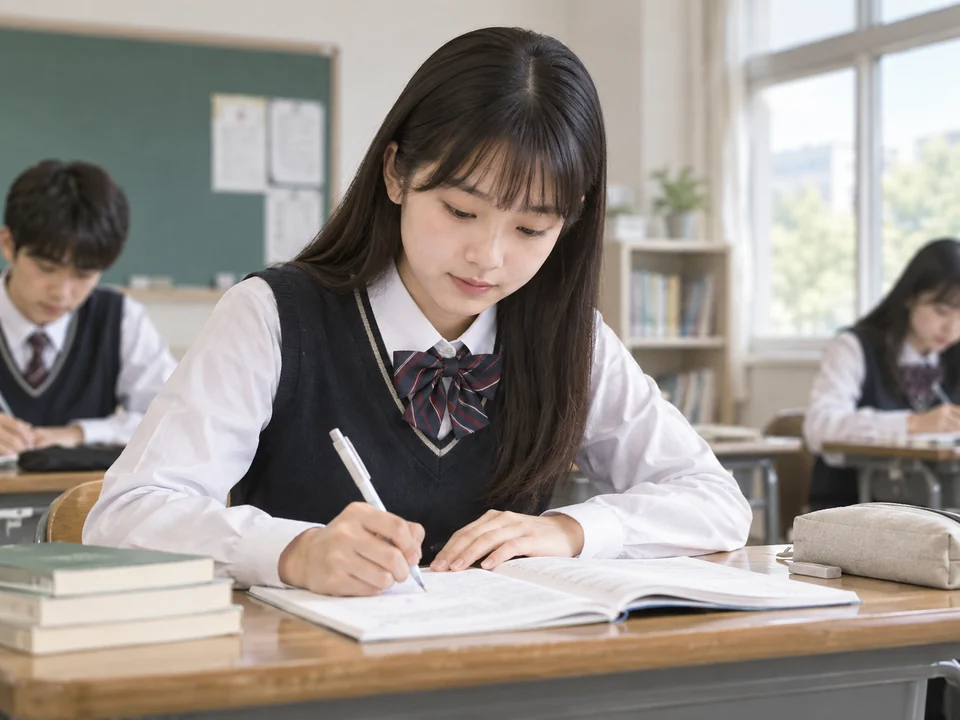 학생 | haksaeng | Student |
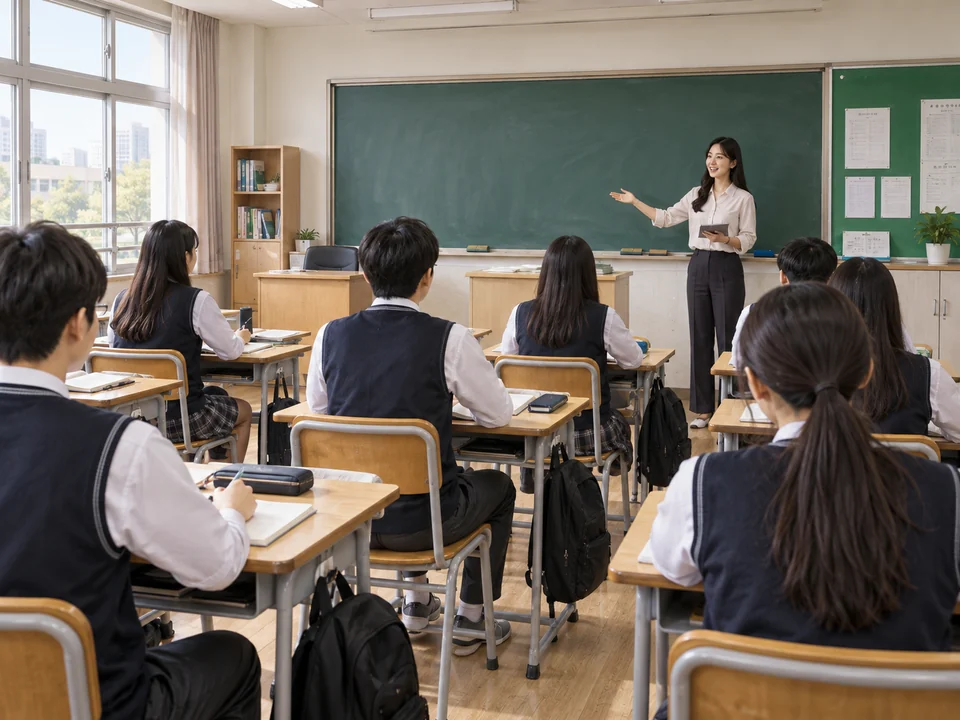 교실 | gyosil | Classroom |
 책 | chaek | Book |
 도서관 | doseogwan | Library |
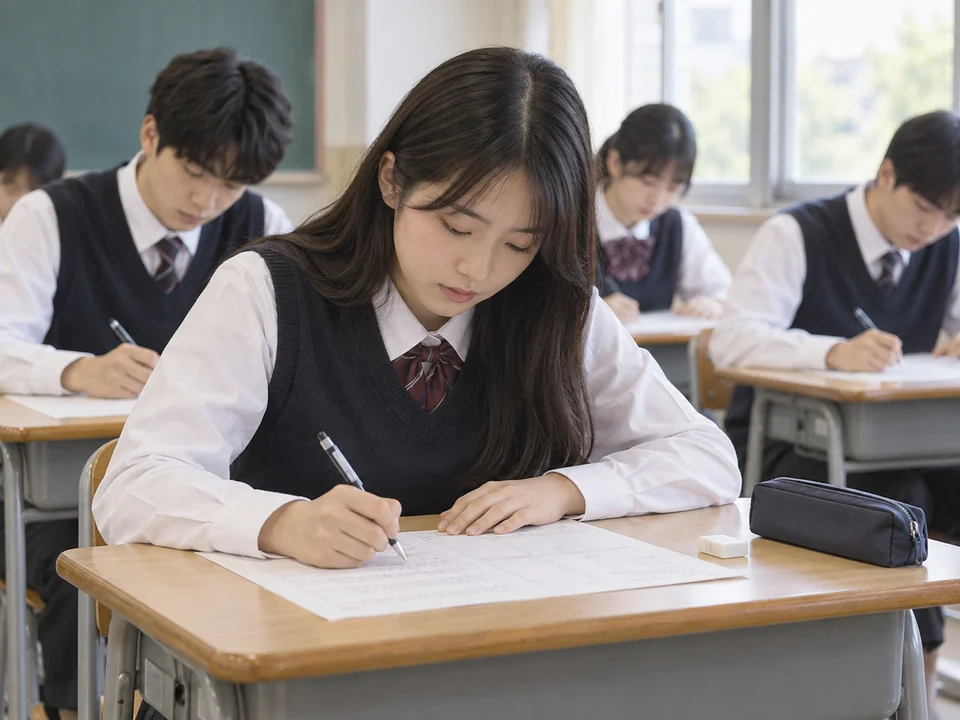 시험 | siheom | Exam / test — 시험을 보다 = to take an exam |
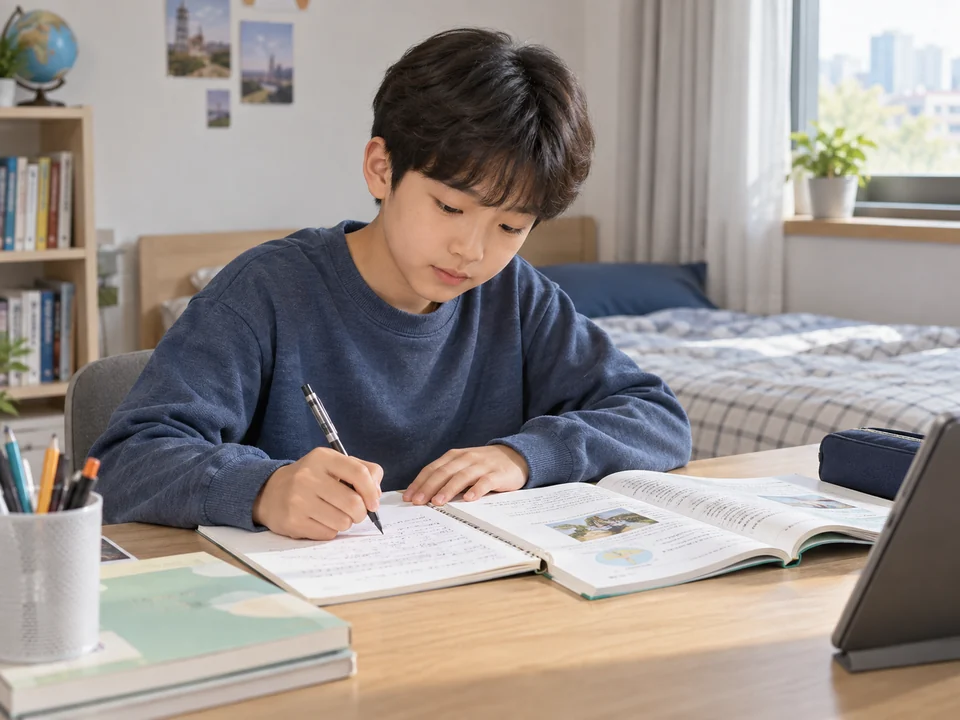 숙제 | sukje | Homework |
| 성적 | seongjeok | Grade / academic record |
| 전공 | jeongong | Major / area of study — 전공이 뭐예요? = What's your major? |
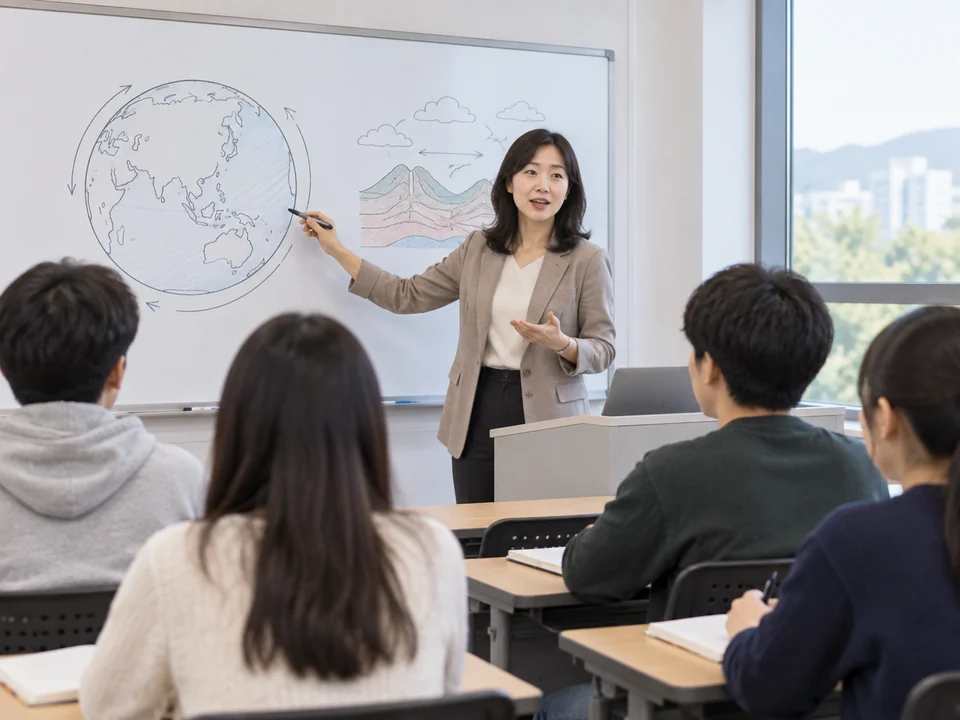 강의 | gangui | Lecture / class session |
 졸업 | joreop | Graduation — 졸업했어요 = I graduated |
| 장학금 | janghakgeum | Scholarship |
| 학원 | hagwon | Private tutoring school (cram school) — a defining feature of Korean education |
| 수능 | suneung | CSAT — Korea's national college entrance exam |
Check your understanding
News & Current Events 뉴스와 시사
Korean News Vocabulary 한국어 뉴스 어휘
Reading or watching Korean news is an excellent way to build advanced vocabulary and stay connected to Korean society. Korean news uses formal speech levels (합쇼체) and many Sino-Korean terms. Understanding these words will help you follow Korean news programs, podcasts, and newspapers.
Words and phrases
| Korean | Pronunciation | Meaning |
|---|---|---|
| 뉴스 | nyuseu | News — from English 'news' |
| 기자 | gija | Reporter / journalist |
| 신문 | sinmun | Newspaper |
| 방송 | bangsong | Broadcast / broadcasting |
| 사건 | sageon | Incident / event / case |
| 정치 | jeongchi | Politics — 정치인 = politician |
| 경제 | gyeongje | Economy / economics |
| 사회 | sahoe | Society / social affairs |
| 국제 | gukje | International — 국제 뉴스 = international news |
| 환경 | hwangyeong | Environment — 환경 문제 = environmental issues |
| 선거 | seongeo | Election |
| 인터뷰 | inteobyu | Interview — from English 'interview' |
| 통계 | tonggye | Statistics / data |
| 속보 | sokbo | Breaking news — 속보입니다 = This is breaking news |
| 여론 | yeoron | Public opinion |
| 보도 | bodo | Report / news coverage — 보도에 따르면 = according to reports |
Check your understanding
Konglish 콩글리시
Konglish — Korean + English 콩글리시
Konglish (콩글리시) refers to English loanwords adapted into Korean. These words are pronounced differently and sometimes have different meanings from the original English. Learning Konglish is a fast track to a large vocabulary, since many modern Korean words are derived from English.
Words and phrases
| Korean | Pronunciation | Meaning |
|---|---|---|
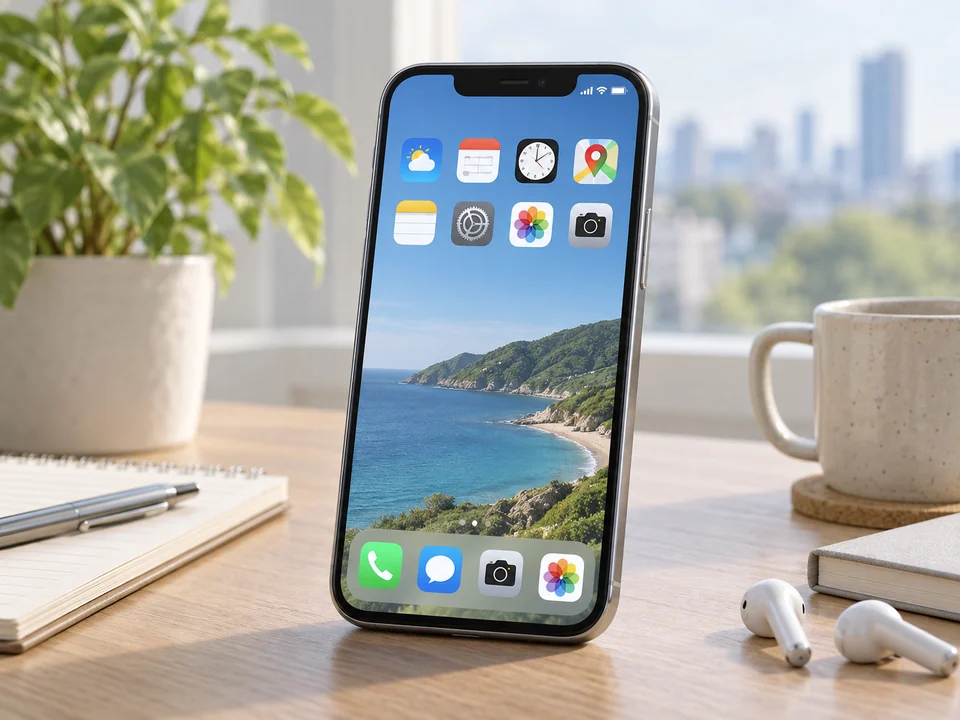 스마트폰 | seumateupon | Smartphone — from English 'smart phone' |
 컴퓨터 | keompyuteo | Computer — from English 'computer' |
| 인터넷 | inteonet | Internet — from English 'internet' |
 아이스크림 | aiseukeurim | Ice cream — from English 'ice cream' |
 아파트 | apateu | Apartment — from English 'apartment'; refers specifically to high-rise apartments |
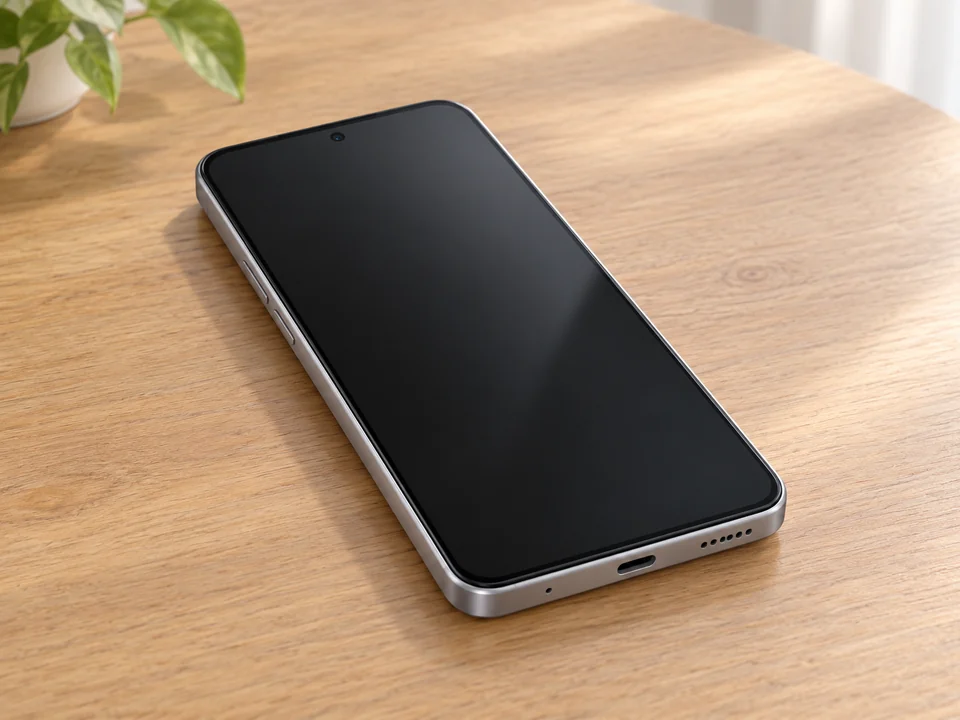 핸드폰 | haendeupon | Mobile phone — Konglish 'hand phone'; also 휴대폰 |
| 사인 | sain | Signature / autograph — from English 'sign'; used where English would say 'signature' |
 원피스 | wonpiseu | Dress — Konglish 'one piece'; refers to a full dress |
 바지 | baji | Pants / trousers — native Korean word |
 셀카 | selka | Selfie — Konglish abbreviation of 셀프 카메라 (self camera) |
 노트북 | noteubuk | Laptop computer — Konglish 'notebook' |
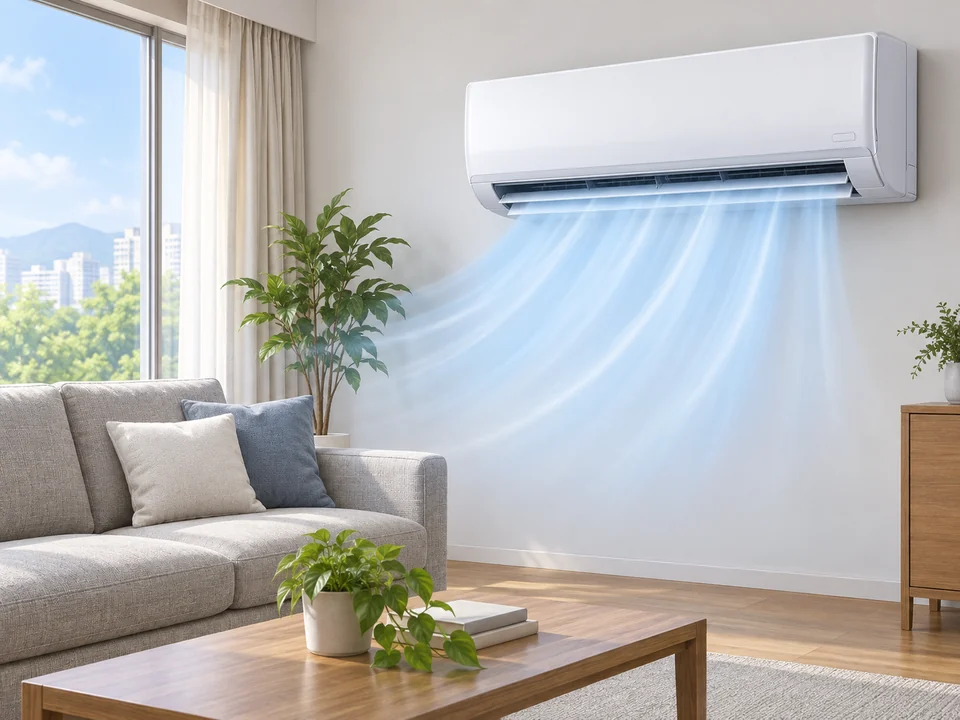 에어컨 | eeokeon | Air conditioner — abbreviated Konglish from 'air conditioner' |
 리모컨 | rimokon | Remote control — from 'remote control', abbreviated |
| 서비스 | seobiseu | Service / a freebie — in Korean, 서비스 often means something given for free by a shop |
| 파이팅 | paiting | Fighting! / Go for it! — a Korean cheer, different meaning from English |
 핫도그 | hatdogeu | Corn dog — in Korea, 핫도그 refers to the corn dog, not a hot dog bun |