
만두 가이드 Korean Dumplings
Mandu (만두) is Korea's dumpling — steamed, fried, boiled, or simmered in broth. From the ceremonial dumpling soup (만두국) served at Lunar New Year to the addictive frozen Bibigo king dumplings (비비고 왕교자) cooked at midnight, mandu sits at the heart of Korean comfort food culture.
만두는 한국의 전통 요리입니다 — 찌거나, 굽거나, 삶거나, 국물에 넣어 끓입니다. 설날에 먹는 의례적인 만두국부터 한밤중에 익혀 먹는 비비고 왕교자까지, 만두는 한국 위안 음식의 중심에 있습니다.
만두의 역사 · History of Korean Mandu (만두)
Korean mandu was introduced during the Goryeo Dynasty through the Yuan (Mongol) Empire, with its first written record appearing in the Goryeosa (고려사). Initially a prestigious royal court dish, it gradually became everyday food through the modern era — first spreading via Chinese immigrant communities, then transformed by the mass production of frozen dumplings in the 1980s. Korea once had countless street-side mandu shops, but as Bibigo frozen mandu rose to dominance, there is a saying that every mandu shop making a less tasty product than Bibigo has since had to shut its doors.
한국 만두는 고려시대 원나라를 통해 전래되었습니다. 고려사에 첫 기록이 등장하며, 초기에는 고급 궁중 음식으로 취급되었습니다. 근현대에 들어 중국 화교 유입과 1980년대 냉동만두 대량 생산을 거쳐 현재의 대중적인 주식 및 간식으로 자리 잡았습니다. 한국에서는 길거리에서 만두를 파는 가게들이 많았지만, 비비고 냉동 만두가 인기를 끌면서 비비고 냉동 만두보다 맛없는 만두 가게는 모두 문을 닫았다는 말도 있습니다.
The Gongal Mandu (공갈만두) Legend
Gongal mandu (공갈만두) is a hollow mandu — the wrapper is big, the inside is nearly empty. It was traditionally sold by street vendors who deceived customers with large-looking dumplings containing minimal filling. Today, "gongal mandu" (공갈만두) is used as slang for anything that looks impressive but is hollow inside. Learning this word impresses any Korean.
공갈만두는 껍질만 크고 속이 거의 없는 만두입니다. 전통적으로 속을 거의 채우지 않은 채 큰 만두처럼 보이게 팔던 노점 상인들에서 유래했습니다. 오늘날 '공갈만두'는 겉만 번지르르하고 속이 빈 무언가를 표현하는 속어로 쓰입니다. 이 단어를 알면 한국인에게 인상을 줄 수 있습니다.
조리법별 종류 By Cooking Method 6 types
The same dumpling filling transforms completely depending on how it's cooked. Each method brings out different textures and flavors from the same mandu.
같은 만두 속재료도 조리 방법에 따라 완전히 다른 식감과 맛이 납니다. 각각의 조리법은 같은 만두에서 서로 다른 매력을 이끌어냅니다.
AI-generated illustration
Pan-Fried군만두
Pan-fried until the bottom is golden and crispy while the top stays soft and chewy. The most popular preparation — the contrast between crispy base and tender filling is the defining characteristic. Found at all bunsikjib (분식집: casual Korean snack bars).
AI-generated illustration
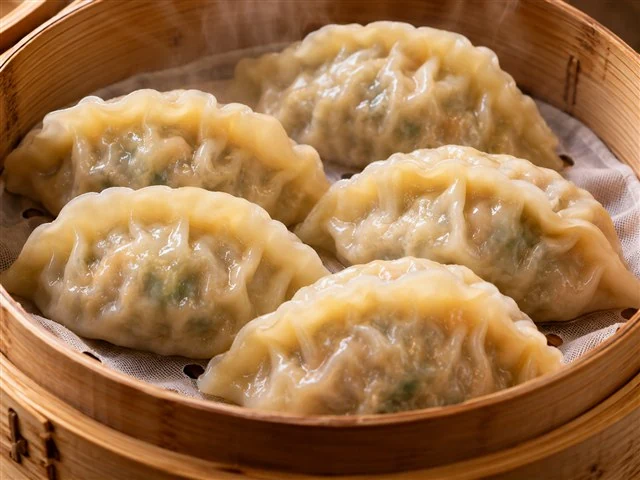
Steamed찐만두
Steamed in a bamboo or metal steamer — soft, plump, juicy. The gentlest cooking method — preserves the most filling moisture and delicate flavor. Often served with soy dipping sauce and ginger.
AI-generated illustration
Boiled물만두
Boiled in water until translucent and tender. Lighter and cleaner than fried versions. Often served with a seasoned soy dipping sauce. Pulmuone's 물만두 is one of Korea's best-loved frozen products.
AI-generated illustration
Deep-Fried튀김만두
Completely submerged and deep-fried until shatteringly crispy all over. The most indulgent form — maximum crunch, rich golden exterior. A street food staple. Often served at gilgeori (길거리: street) stalls and bunsikjib (분식집: casual Korean snack bars).
만두국
Mandu cooked in a clear beef or anchovy broth. The ultimate winter and New Year dish — eaten on 설날 (Lunar New Year) for luck. Adding tteok (떡) makes it 떡만둣국. Garnished with egg strips and seaweed.
AI-generated illustration
Hotpot전골만두
Mandu cooked in a spicy jeongol (전골: table-top hot pot) with vegetables, mushrooms, and glass noodles. A communal eating experience — the broth becomes richer as more ingredients are added. A cold-weather favorite.
소에 따른 종류 By Filling 12 varieties
What's inside a mandu defines its identity. Korea has developed dozens of filling combinations, from simple pork-cabbage to vegan temple versions.
만두 속재료가 만두의 정체성을 결정합니다. 한국은 단순한 돼지고기-배추 속부터 사찰식 채식 만두까지 수십 가지 속재료 조합을 발전시켜 왔습니다.
AI-generated illustration
Pork고기만두
The classic — ground pork mixed with tofu, glass noodles, garlic, ginger, scallions, and sesame oil. Balanced and rich. The default "mandu" most Koreans think of. Bibiogo's version dominates the frozen market.
AI-generated illustration
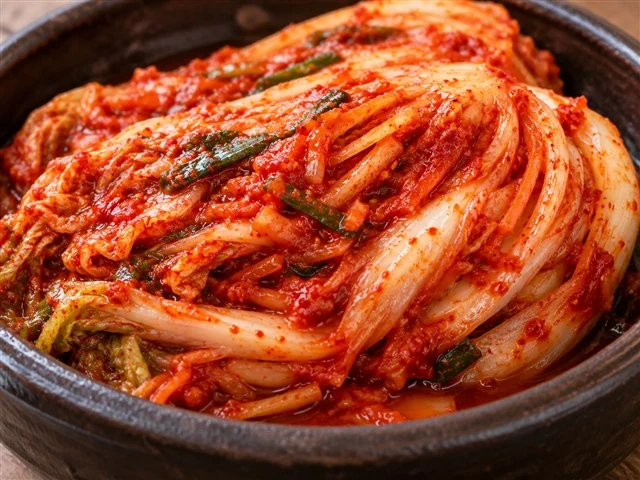
Kimchi김치만두
Fermented kimchi mixed with pork and tofu — tangy, slightly sour, deeply savory. The fermentation adds complexity that plain pork mandu lacks. Best in winter when kimchi is perfectly aged. A national favorite.
AI-generated illustration
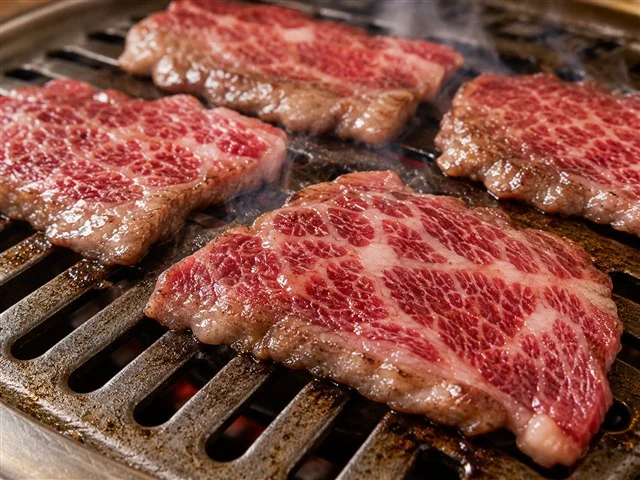
Galbi갈비만두
Premium mandu filled with braised short rib (갈비) meat. Rich, deeply savory, slightly sweet from the soy marinade. More expensive than standard mandu — considered an upscale restaurant version. Intensely satisfying.
AI-generated illustration
Shrimp새우만두
Minced shrimp mixed with pork and chives — the seafood cousin of standard gogi mandu. The shrimp adds sweetness and a springy bite. Common at Chinese-Korean (중국집) restaurants and upscale mandu shops.
AI-generated illustration
Seafood해물만두
Mixed seafood filling — crab, shrimp, squid, and sometimes clams bound with pork and vegetables. Ocean umami in dumpling form. Heavier and richer than shrimp mandu alone. Popular in coastal cities like Busan.
AI-generated illustration
Veggie채소만두
All-vegetable filling — usually tofu, glass noodles, spinach, mushrooms, chives, and seasoned well. Popular with vegetarians (채식주의자). Lighter than meat versions — a good choice for those watching fat intake.
AI-generated illustration
Tofu두부만두
Tofu-dominant filling — crumbled tofu with seasonings, garlic, scallion, and sesame oil. Subtle and clean in flavor. Often preferred for its lighter protein. A temple food (사찰음식) variant omits even scallions.
AI-generated illustration
Glass Noodle당면만두
Glass noodles (당면) as the primary filling along with pork and vegetables. The noodles add a chewy, slippery texture and absorb all the seasoning oil. A popular budget-friendly mandu sold by street stalls.
AI-generated illustration
Crab게살만두
Imitation or real crab meat mixed with cream cheese or light mayonnaise. A modern, restaurant-style creation. Often shaped differently (white, thin-skinned) to distinguish from traditional mandu. Delicate and rich.
AI-generated illustration
Pork Belly삼겹살만두
Diced 삼겹살 (pork belly) as the star filling — extra fatty, rich, and indulgent. Often paired with kimchi for balance. A premium street food item — thicker filling, bolder flavor than standard 고기만두.
AI-generated illustration
Rice밥만두
Rice mixed with seasoned ingredients inside the wrapper. A filling and hearty variant popular in the military (군대) and school cafeterias (학교 급식). Hearty, carb-dense, and satisfying for those who want substance.
AI-generated illustration
Open개방만두
Modern restaurant-style mandu left partially open at the top so the filling is visible — a Chinese-influenced shumai (슈마이) style. Steamed, with a decorative element like a shrimp or mushroom on top.
주요 브랜드 Major Brands 10 brands
Korea's frozen mandu market is dominated by a handful of brands — the most globally successful being CJ's 비비고, which became the #1 frozen dumpling brand in the US, China, and Southeast Asia.
한국 냉동 만두 시장은 몇 개의 브랜드가 장악하고 있습니다 — 그 중 CJ의 비비고가 가장 글로벌하게 성공해, 미국·중국·동남아시아에서 냉동 만두 브랜드 1위가 되었습니다.
AI-generated illustration
CJ 비비고비비고 왕교자
CJ's flagship product — the large (왕 = king) gyoza-style dumpling with juicy pork, tofu, and chive filling. Became the #1 dumpling brand in multiple countries. The thin, chewy skin is the key. Available at Costco worldwide.
AI-generated illustration
CJ 비비고비비고 김치만두
Bibigo's kimchi dumpling — perfectly fermented kimchi filling balanced with pork and tofu. The tangy punch of kimchi works beautifully inside a dumpling skin. A fan favorite for those who want bold flavor.
AI-generated illustration
풀무원풀무원 물만두
Pulmuone's health-focused boiled dumpling — cleaner ingredients, no artificial preservatives. The brand is known for organic and natural products. The 물만두 is soft, light, and less fatty than competitor versions.
AI-generated illustration
해태해태 고향만두 고향만두
고향 means "hometown" — Haitai's mandu evokes nostalgia for homemade dumplings. A longtime Korean market staple that pre-dates the Bibigo era. Beloved by older generations for its familiar, home-style flavor profile.
AI-generated illustration
동원동원 개성만두 개성만두
Styled after the historical Gaeseong (개성) mandu tradition from North Korea — known for large size, rich pork filling, and distinctive half-moon shape. Gaeseong was historically the mandu capital of Korea.
AI-generated illustration
사조사조 대림 만두 사조만두
Sajo's budget-friendly mandu line — excellent value for money. A staple for Korean households that want large quantities at low cost. Consistent quality and widely available at discount supermarkets and 창고형 stores.
AI-generated illustration
손만두할매손만두
Small-batch, handmade-style mandu sold at traditional markets (재래시장) — "할매" means grandmother. Often made fresh and sold in large quantities at markets like Gwangjang Market (광장시장) in Seoul. Thicker skins, more rustic.
AI-generated illustration
왕만두왕만두
Any oversized mandu — 왕 (king) denotes extra-large size. The filling is denser and more generous. Found at convenience stores (편의점) and bunsikjib (분식집) everywhere. A quick, filling meal in one piece. Street vendors make these fresh to order.
AI-generated illustration
군만두집납작만두
납작 = flat. A thinner, wider shape that maximizes crispy surface area when pan-fried. Popular in certain regions. Used in 납작만두볶음 (stir-fried flat mandu) — a popular street snack with tteokbokki sauce.
AI-generated illustration
공갈만두공갈만두
The infamous "fake" mandu — enormous wrapper concealing almost no filling inside. Sold by street vendors to deceive hungry customers. Now a cultural joke. "공갈" means bluffing or deceiving. Used as modern slang for anything all-show-no-substance.
특별한 만두 Special & Seasonal 4 varieties
These mandu carry deep cultural or historical significance — from Goryeo dynasty origins to UNESCO-recognized holiday traditions.
이 만두들은 고려 시대의 기원부터 유네스코 등재 명절 전통까지 깊은 문화적·역사적 의미를 담고 있습니다.
AI-generated illustration
설날떡만둣국
Rice cake (떡) + mandu (만두) in clear broth — the definitive Lunar New Year (설날) dish. Eating a bowl on New Year's Day is believed to add one year of age and bring good fortune. Garnished with egg strips, nori, and sesame.
AI-generated illustration
봄봄나물만두
Spring edition featuring seasonal wild herbs — 달래 (wild chive), 쑥 (mugwort), 냉이 (shepherd's purse). Made at home during spring when herbs are freshest. A seasonal tradition in many Korean households.
AI-generated illustration
사찰사찰만두
Buddhist temple cuisine mandu — absolutely no meat, no garlic, no onion, no chive, no leek (the five pungent vegetables 오신채 are forbidden). Uses mushroom, tofu, and seasonal vegetables only. Pure, delicate, and spiritual.
AI-generated illustration
개성개성만두
The most historically prestigious Korean mandu style — from Gaeseong (개성), the Goryeo dynasty capital now in North Korea. Very large, thicker wrapper, rich pork and kimchi filling, crescent moon shape. Considered the ancestor of all Korean mandu.
만두 어휘 · Mandu Vocabulary
| Korean | Romanization | English |
|---|---|---|
| 만두 | mandu | Korean dumpling |
| 만두피 | mandubi | dumpling wrapper/skin |
| 만두소 / 속 | manduso / sok | dumpling filling |
| 군만두 | gunmandu | pan-fried dumpling |
| 찐만두 | jjin mandu | steamed dumpling |
| 물만두 | mul mandu | boiled dumpling |
| 튀김만두 | twigim mandu | deep-fried dumpling |
| 왕만두 | wang mandu | king-size dumpling |
| 만두국 | manduguk | dumpling soup |
| 떡만둣국 | tteok mandutguk | rice cake & dumpling soup (New Year) |
| 공갈만두 | gongal mandu | hollow mandu (slang: all show, no substance) |
| 접다 | jeopda | to fold (as in fold a dumpling) |
| 주름 | jureum | pleats/folds on the wrapper |
| 찍어 먹다 | jjigeo meokda | to dip and eat |
| 간장 소스 | ganjang soseu | soy dipping sauce |